

### Blog Post:
Built-in reading nook ideas are transforming ordinary corners and underused spaces into comfortable, clutter-busting retreats that blend storage and style. Whether next to a window, under a staircase, or along a hallway, built-in reading nooks with shelves deliver a cozy place to unwind and practical storage for your favorite books and décor.
Key Takeaways
- Built-in reading nooks combine comfort, storage, and custom style for any home, but they require smart planning and some trade-offs.
- DIY projects must account for real-world issues like tricky wiring, fragile parts, and fitting errors, especially if using kits or pre-made shelving elements [source].
- Lack of industry data means planning, costs, and results depend on careful personal measurement, design, and honest evaluation of your space.
- What Is a Built-in Reading Nook With Shelves? (And Why You’ll Love One)
- Step-by-Step Guide: How to Build a Built-in Reading Nook With Shelves
- Advanced Analysis & Common Pitfalls: Realistic Problems to Expect
- Conclusion
- FAQs About Built-in Reading Nooks
What Is a Built-in Reading Nook With Shelves? (And Why You’ll Love One)
A built-in reading nook with shelves is a dedicated, permanent seat or bench—often tucked into a wall recess, window alcove, or under a staircase—with integrated bookshelves and custom storage. Unlike moveable furniture, a built-in reading nook becomes part of your home’s architecture, providing practical storage and a cozy spot to read, relax, or even host a quiet conversation. Whether you crave a window seat with drawers for extra blankets or a hallway alcove lined with books and pillows, the built-in approach maximizes every inch.
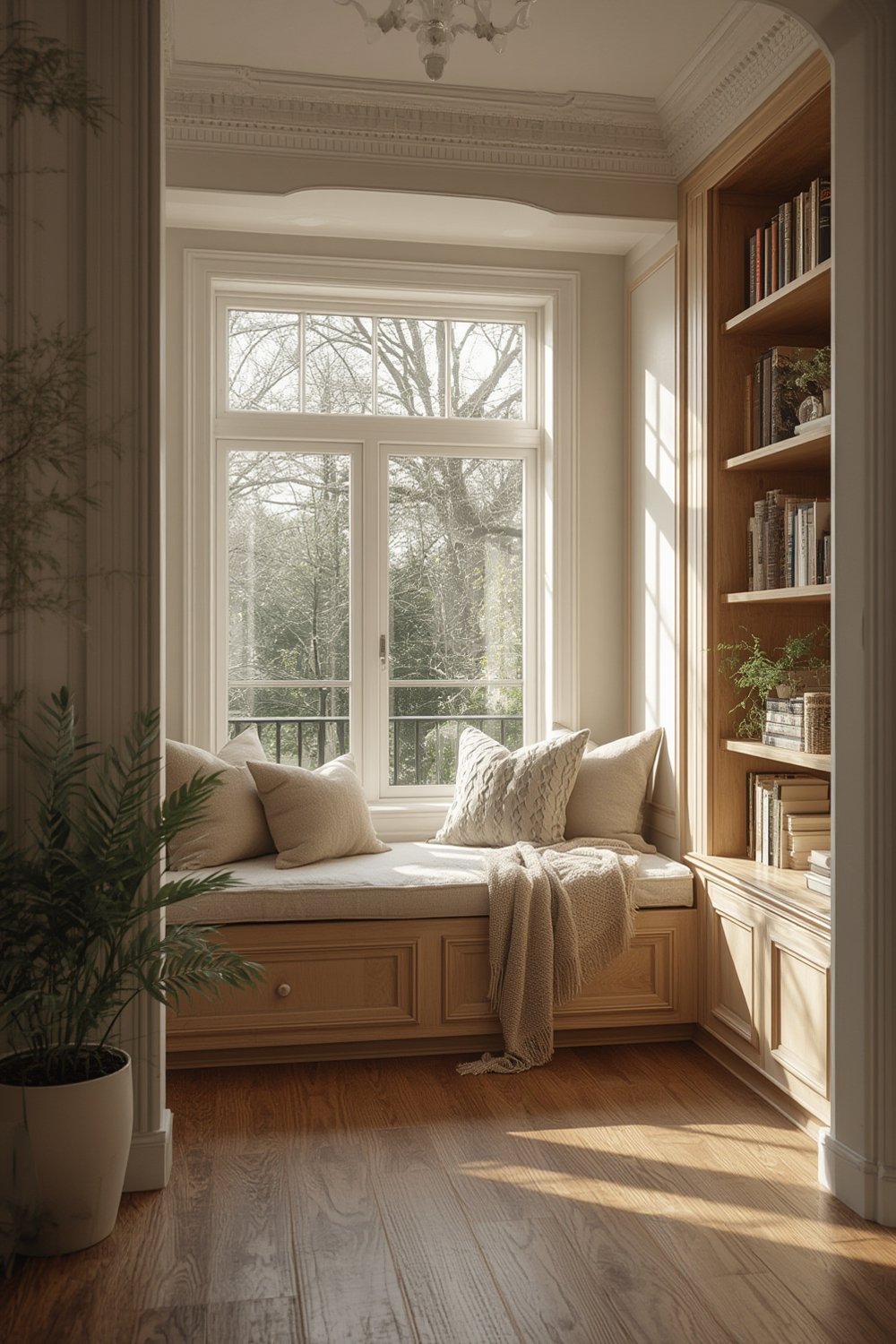
Done right, a built-in reading nook can:
- Turn awkward corners or underutilized areas into favorite spots
- Double as a storage powerhouse thanks to shelving, drawers, or lids under the seat
- Increase your home’s design appeal and sense of space
This clever use of space appears in modern, classic, and even farmhouse homes. Explore more inspiration, like creating a reading nook under stairs or a window seat with storage, in our step-by-step guides.
Step-by-Step Guide: How to Build a Built-in Reading Nook With Shelves
Building a built-in reading nook does not require an architect, but it does demand careful planning and honesty about your skills, tools, and budget. Here’s a step-by-step guide—adapt these steps whether you’re transforming a window bay, unused hallway, or an alcove. For detailed bookshelf plans, see our DIY built-in bookcase plans.
-
Assess the Location & Dimensions
Pick your ideal spot: window bay, stairwell recess, hallway, or unused corner. Measure the available space, height, depth, and width. Sketch rough layouts and check for power outlets or radiators that might interfere. -
Design Your Nook
Decide on storage type: shelves above/below, bench drawers, or cabinets. Consider who will use the nook—kids or adults? Select durable, wipe-clean finishes if the nook doubles as toy or shoe storage. If you want to maximize every inch, research ideas like built-in pantry shelving or recessed wall shelves for inspiration on custom shelving. -
Choose Materials
For family spaces, pick solid plywood or furniture-grade MDF for durability. Store-bought bookcases work for a budget build, though custom framing gives a true built-in effect. Use soft waterproof fabrics or leatherette for bench cushion covers. -
Frame & Install the Bench
Build a sturdy box frame for your bench, anchoring it to wall studs. Install the top, then the shelf bands or cubbies below if needed. If creating a window seat, use our window seat with storage guide for step-by-step support. -
Assemble & Install the Shelves
Attach vertical shelf sides, then add horizontal shelves. Ensure everything is level. If using store-bought bookcases, anchor them tightly and trim with molding for a built-in finish. -
Finish and Style
Sand, fill, then paint or stain as needed. Add a tailored cushion, install lighting (if desired), and style with soft throws, pillows, and books. Explore trending ideas for a lived-in, inviting look in our guide on bookshelf styling tips.
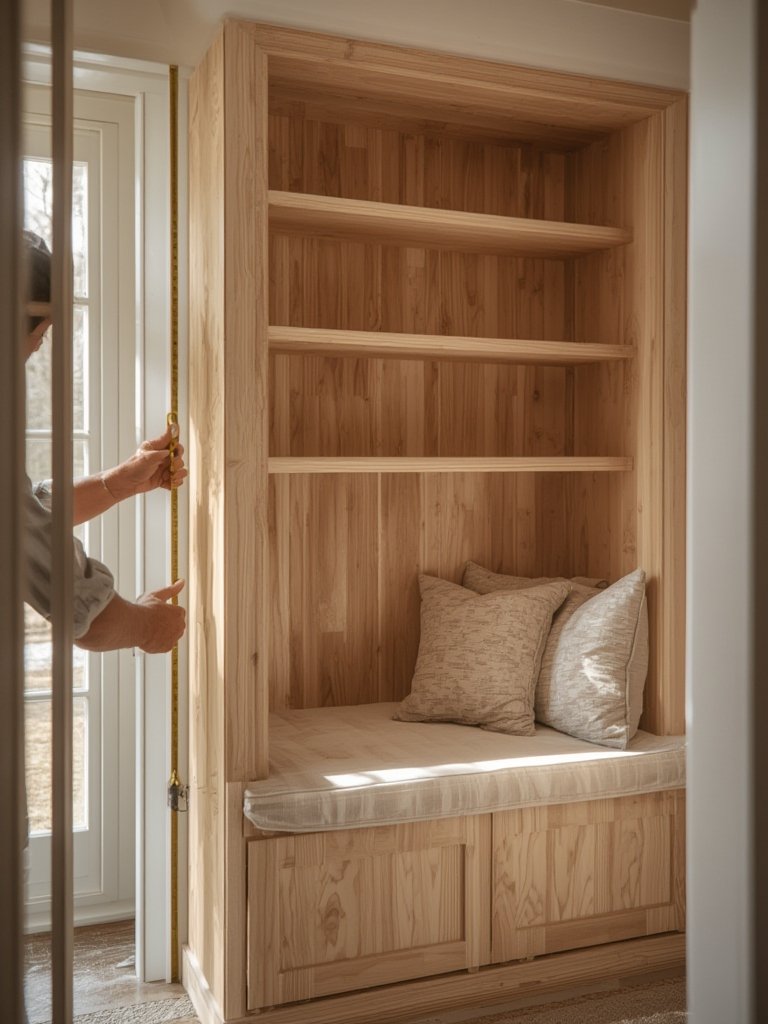
Advanced Analysis & Common Pitfalls: Realistic Problems to Expect
While a built-in reading nook adds unique comfort and value, building one can present real challenges—especially for DIYers. Many lessons come not from home design blogs, but from the surprisingly similar world of DIY book nook kits, where fragile materials, fuzzy instructions, and poor fits frustrate builders [source].
Top Pitfalls & Problems
- Poor Seat Comfort: A flat, too-narrow or too-low seat without a supportive cushion isn’t inviting. For adults, aim for a seat at least 18 inches deep and 16-18 inches high. Kids’ nooks can be slightly lower.
- Bad Lighting: Forgetting to add a wall sconce, reading light, or placing the nook in a gloomy corner can make it uninviting.
- Insufficient Storage: Skipping shelves, drawers, or under-bench lids leaves nowhere for blankets or new books. See storage-first designs in mudroom built-ins or entryway storage benches.
- Assembly Order Mistakes: Mounting the bench before shelves—or shelves before benches—without dry fitting leads to blocked access or pieces that don’t fit, as seen in DIY kits [source].
- Fragile or Cheap Materials: Low-cost particle board and trim may flex, chip, or break under weight—a problem in kits and in real-life home builds.
- Unanchored Shelving: Shelves not fixed to studs sag or tip, especially under the weight of books.
- Codes & Guidelines: No 2024 building codes specifically govern reading nooks, but always use flame-retardant cushions, anti-tip hardware, and avoid cords or pinch points in family spaces.
| Pitfall | Why It Happens | How to Fix |
|---|---|---|
| Wobbly Shelves | Not anchored to wall studs or poorly sized fasteners | Locate studs and use long screws; add back panels or L-brackets |
| Bench Feels Hard/Uncomfortable | No supportive cushion, seat too shallow or low | Add thick foam cushion, ensure seat is 16-18” high/deep |
| Paint/Finish Chipping | Skipped priming, wrong type of paint for surface | Prime first, use enamel or wear-resistant finish |
| Low Storage Capacity | Didn’t include drawers, cubbies, or tall shelves | Add under-seat bins, taller shelving, or side cabinets |
| Electrical Issues (Lighting) | DIY wiring errors or unmarked harnesses (from kit experience) | Use battery-powered LEDs; for wired lights hire an electrician |
Looking for smarter shelf solutions? Discover modular shelving systems for flexible book displays or built-in home office storage for integrated lounging and work nooks.
Conclusion
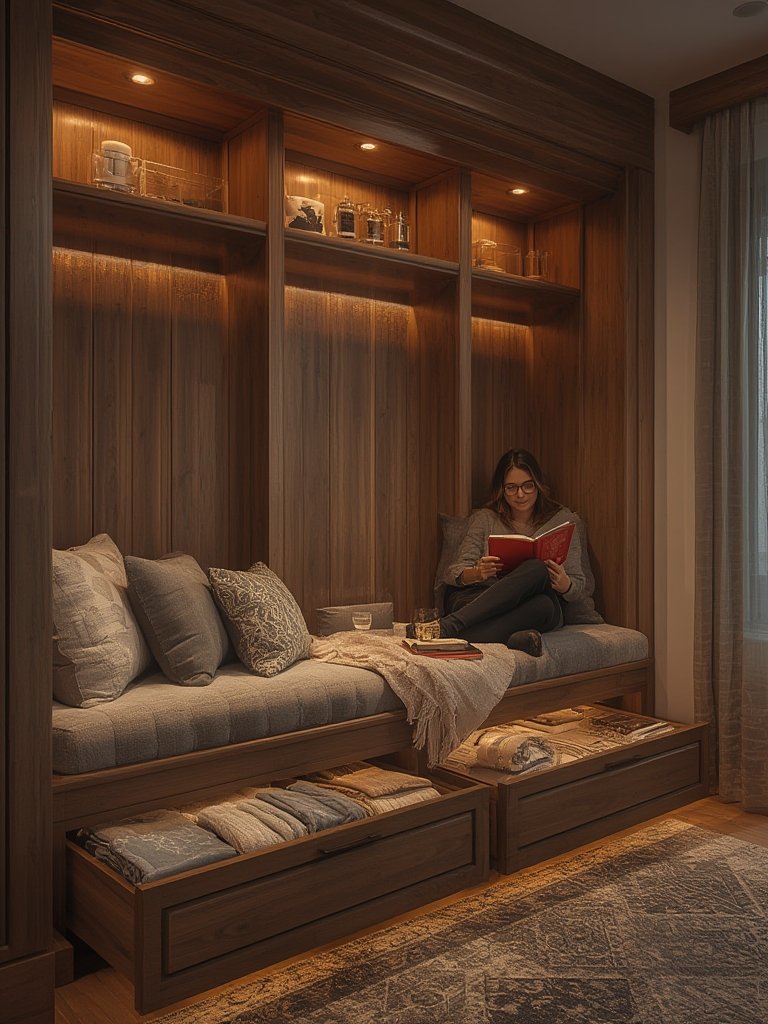
A built-in reading nook with shelves is a practical, transformative project that turns wasted corners into a custom home retreat. It requires careful planning, honest dimensioning, and durable materials, but the pay-off is a one-of-a-kind spot for reading or lounging with plenty of accessible storage. Be mindful of pitfalls like poor lighting, comfort, or skipped storage options, and always dry-fit and anchor everything. Ready to get started? Explore more ideas for crafting your own built-in reading nook in our in-depth guides—and let your next favorite escape begin at home.
Want more built-in inspiration? Check out our floating shelf bracket guide for flawless display shelves, or dive into the best closet organizer systems to make every room feel custom-built.
FAQs About Built-in Reading Nooks
What is the minimum space needed for a comfortable built-in reading nook?
For a single adult, plan for at least 36 inches wide, 18 inches deep, and 16-18 inches high for the seat. For two people, double the width. Add at least 12-18 inches above the seat for bookshelves.
Which materials are best for durability and kid-friendly use?
Solid plywood or cabinet-grade MDF is sturdy and cost-effective. Avoid cheap particle board, which chips easily. Use foam rubber with removable, washable covers for seat cushions.
Do built-in reading nooks add value to a home?
There’s no hard real estate data, but unique, thoughtfully designed built-ins usually increase a home’s appeal and may improve perceived value, especially in family-centric layouts or small homes.
Are there any special safety concerns for kids’ reading nooks?
Always anchor shelves to wall studs, use anti-tip hardware, and avoid sharp corners. Opt for flame-retardant seat cushions and avoid cords or electrical outlets in reach of small children.
How do I add lighting to my built-in reading nook?
Install a small wall sconce, run an outlet for a lamp, or use battery-powered LED puck lights under shelving. Be cautious of DIY wiring—hire a professional if you’re unsure.
—