

### Blog Post:
Floating shelf bracket hidden installs are the modern solution for creating minimalist, seamless shelves that appear to defy gravity—no visible supports, just clean lines and practical storage. But there’s a lot more to getting a flawless result than meets the eye. If you want a flawless “no bracket” look, understanding the core ideas, steps, and potential drawbacks can save you headaches, money, and even your wall.
Key Takeaways
- Hidden bracket floating shelves are booming, especially in North America, due to minimalist trends and better hardware.
- Most guides ignore real challenges like advanced anchoring, stud spacing, and shelf maintenance—mastering these is crucial.
- Success depends on careful installation and realistic weight/load limits, not just choosing the right shelf kit.
- The Core Concept: What Makes a Floating Shelf Bracket Hidden?
- Step-by-Step Guide: Installing a Hidden Bracket Floating Shelf
- Advanced Analysis & Common Pitfalls
- Conclusion
- FAQ
The Core Concept: What Makes a Floating Shelf Bracket Hidden?
A hidden floating shelf bracket is a metal or reinforced mounting system that supports a shelf from inside so there’s no hardware visible from the front, top, or bottom. The bracket typically slides inside a hollow shelf or sits inside a routed groove, “floating” the shelf with no external support. This design is everywhere in high-end kitchens, modern built-ins, and even budget closet organizer systems.
Why are hidden floating shelf brackets so popular in remodels and new homes? They offer a minimalist look, keep visual space open, and make cleaning easier. North America leads the world market, holding over 35% share in 2023—driven by consumers seeking a “decluttered” feel and flexible layouts. Metal hidden brackets are especially popular due to their blend of strength and discretion. According to Verified Market Reports, the global floating shelves market hit up to $1.5 billion in 2024, outpacing nearly all other open-shelving hardware categories.
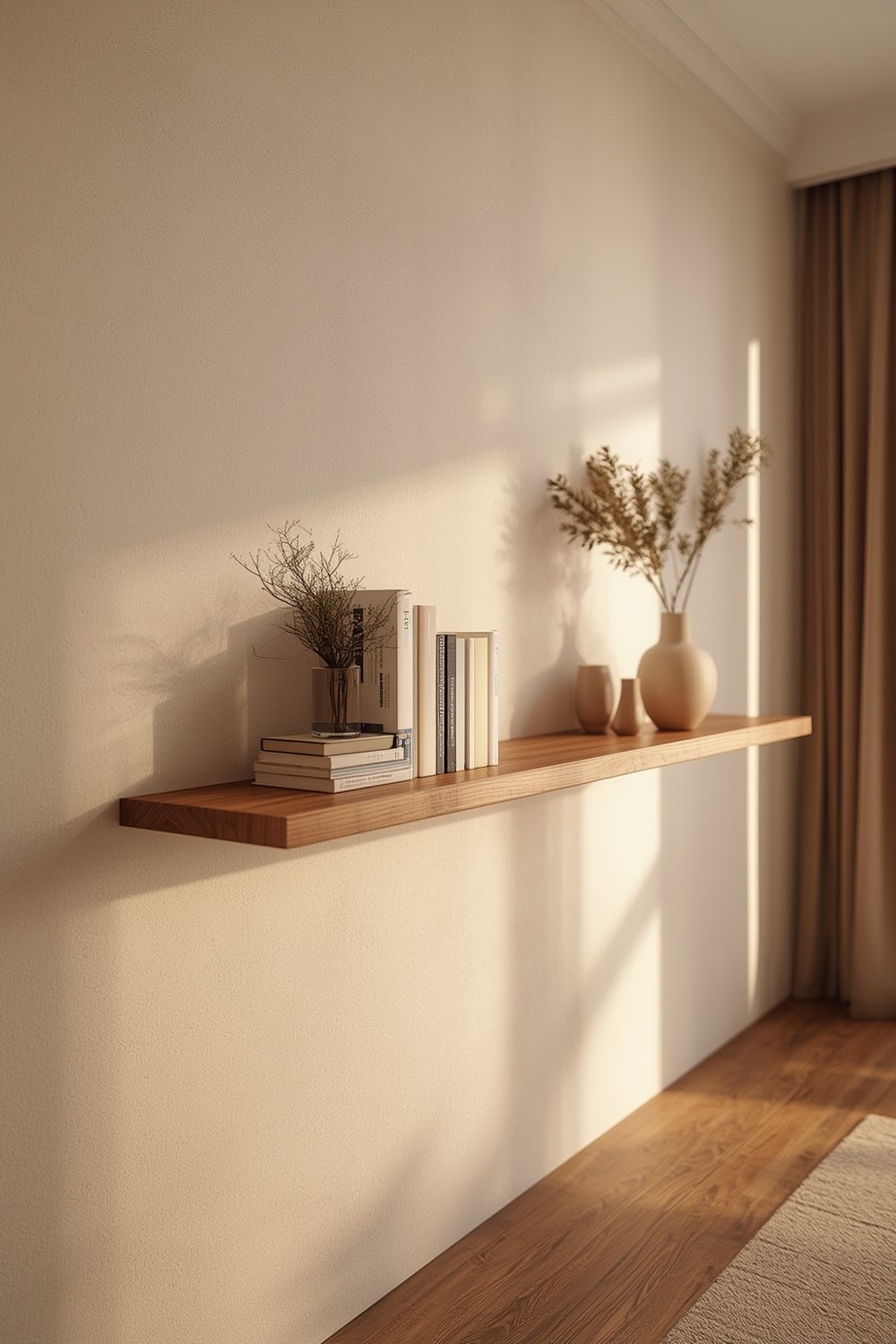
Still, not all hidden bracket systems are created equal. Some kits are simple lag bolts or “pins” for drywall, while premium options use thick steel arms anchored deep into studs or masonry. The better the bracket and anchoring method, the higher the weight limit—making the difference between a shelf that lasts years and one that sags after a season. This is especially important in functional spaces like a mudroom built-in or a crowded kitchen wall.
Step-by-Step Guide: Installing a Hidden Bracket Floating Shelf
Floating shelf perfection comes down to these essential stages. Get these right, and your shelf will look like it’s floating on air for years.
- Measure and Mark: Decide on shelf height, clearances (especially with other built-ins like your bookshelf wealth display), and where brackets will attach to wall studs. Accurate measuring now prevents frustration later.
- Find Wall Studs or Solid Anchoring Points: Use a reliable stud finder. If you’re working over brick or concrete, mark your drilling points with a level.
- Install Hidden Shelf Brackets: Attach each bracket directly into wall studs using supplied lag bolts. For masonry, use concrete screws or sleeve anchors. Double check bracket alignment with a level for a truly seamless look.
- Prepare the Shelf (“Routing”): If you’re using a DIY solid wood shelf, use a forstner bit or router to make holes or grooves for the brackets. Many premade floating shelf kits are already pre-drilled.
- Mount the Shelf: Slide the shelf onto the protruding bracket rods or arms. Secure with set screws underneath if included in your kit.
- Load Test: Add weight incrementally and watch for droop or movement. Don’t stack ovenware or heavy books until you’re confident!
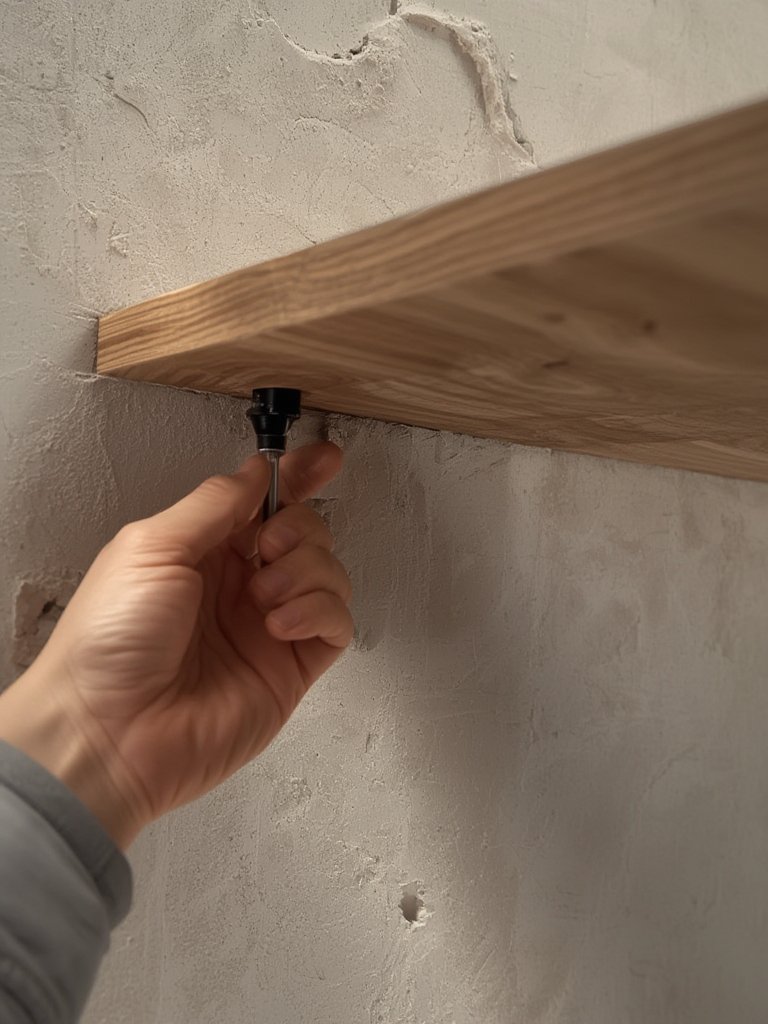
For best results, avoid skimping on bracket quality. Cheap “floating” kits on big box shelves often use thin steel pins with weak drywall anchors—these lead to costly collapses, especially in high-traffic areas like a concealed storage cabinet wall or a heavy under stair storage nook.
Remember to choose bracket and anchor hardware rated well above your expected shelf load, especially for longer spans or solid wood shelves. If you’re building a workspace (see built-in home office storage), robust installation is even more crucial.
Advanced Analysis & Common Pitfalls
Despite “easy install” marketing claims, the most common failures in floating shelf bracket hidden systems don’t appear in product reviews or market data. They show up months after installation, when brackets start to loosen, shelves sag, or drywall anchors pull out—especially when users hang oversized items or if brackets aren’t anchored to studs.
| Bracket & Wall Type | Pros | Cons / Pitfalls | Typical Use Case |
|---|---|---|---|
| Steel hidden bracket + Stud wall (drywall over wood) | Strong, easy to hide | Brackets may not fit stud spacing; drywall alone won’t hold full weight | General storage, display, kitchens |
| Steel bracket + Masonry (concrete/brick) | Very strong if anchored | Requires special tools (masonry drill/anchors); shelf may need custom routing | Heavy loads, laundry rooms, garages |
| Basic dowel/pin + Drywall anchors | Lowest cost, “quick fix” | Prone to failure with moderate loads; never use for valuables | Temporary, lightweight decor |
| Adjustable “track” bracket | Flexible stud alignment | Bracket edge sometimes visible; not truly “invisible” | Closets, shelving systems |
Unfortunately, market data like Market Research Future and Cognitive Market Research reveal no product standards or certifications ensuring safety, nor specific weight ratings or insurance implications. In short: it’s your responsibility to overbuild and maintain your installation.
- Watch out for “universal” bracket kits: Most don’t fit typical 16-inch stud spacing in US walls, making it hard to anchor both ends securely.
- No industry safety standards: Neither ASTM nor European EN standards apply directly to hidden shelf brackets as of 2024. You’re relying on the kit’s reputation and your install skill.
- No long-term maintenance advice: Unlike modular shelving systems with adjustability, hidden floating shelves need periodic checks for loosening and potential wall damage, especially in humid spaces.
- No cost or labor data: Market studies skip labor and material costs. Realistically, expect $40–100 per shelf installed if hiring out, but cost will jump with longer or premium wood shelves.
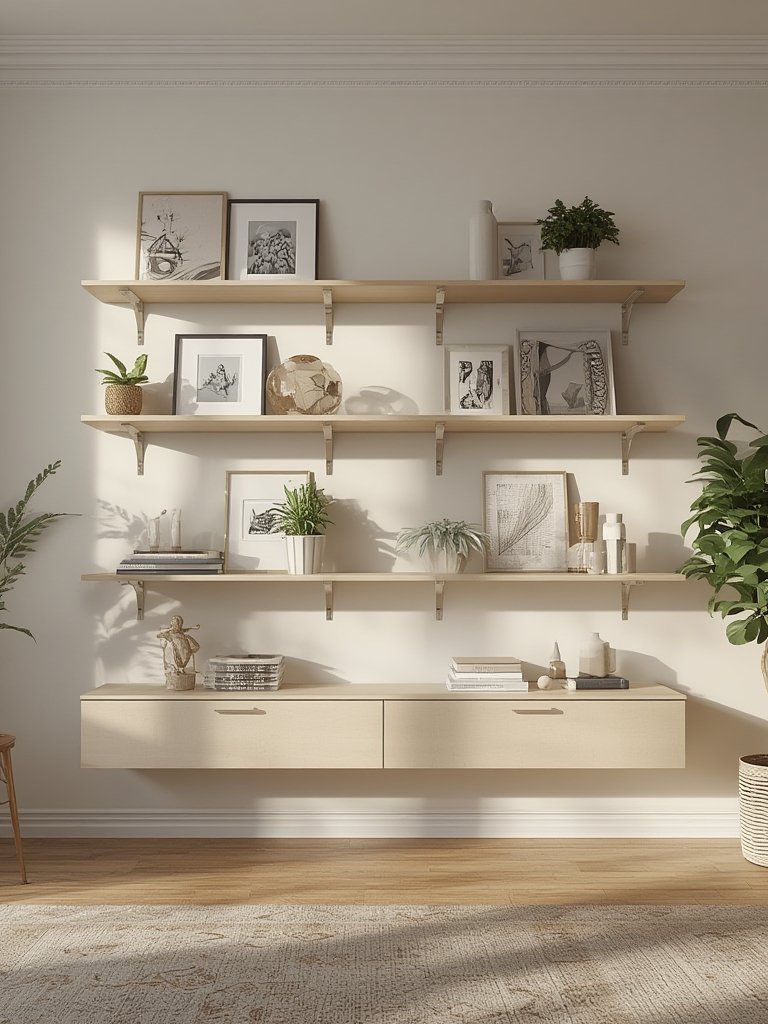
For truly seamless results, some pro installers route custom brackets into the shelf and wall and use “pocket” reinforcements to bridge awkward stud gaps. Others create a notched backer board, then install drywall over the board to allow completely custom bracket placement—advanced, but worth it for high-value built-ins.
Conclusion
Hidden floating shelf brackets are one of the most powerful ways to achieve a modern, uncluttered space—if you’re prepared for the practical realities. Overbuild every connection, anchor into real studs or solid walls when possible, and avoid bargain kits for any shelf that needs to work hard or last years. With clear steps and an understanding of hidden pitfalls, you can enjoy the clean look of a floating shelf bracket hidden installation for years to come.
Ready to transform your space? Explore our other guides for smart built-in upgrades, or start planning your truly seamless shelf project today.
FAQ
Are hidden floating shelf brackets strong enough for heavy loads?
Quality steel brackets anchored into studs or masonry can handle significant loads—sometimes 50 pounds or more per bracket. Avoid relying on drywall alone or cheap kits for anything heavy.
What wall types work best for hidden floating shelf brackets?
Wood stud walls and solid masonry (brick or concrete) work best. Drywall alone is not enough for secure support. Masonry requires specialty anchors and drilling tools.
How do I align brackets with wall studs when my shelf size doesn’t match?
Custom routing or using adjustable track brackets allows bracket placement to match stud locations. For tricky alignments, a notched backer board or concealed ledger can help.
Do floating shelf brackets meet safety standards in the US or Europe?
No specific ASTM, EN, or other shelf safety standards apply to hidden shelf brackets as of 2024. Always use best practices and overbuild when possible.
How often should I check my floating shelf for safety?
Check it every six months, especially if it holds heavy or valuable items. Look for loosening, wall cracking, or shelf sagging.