

Bookshelf wealth is capturing design imaginations in 2024, thanks to social media’s embrace of lived-in, book-filled shelves and rooms that tell real stories. No longer about perfectly color-coordinated minimalism, this trend values authentic collections and personal artifacts, even as it sparks debate about cost, space, and how to style without falling into common traps.
Key Takeaways
- Bookshelf wealth means celebrating imperfect, maximalist bookshelves full of actually-read books, art, and personal touches—authenticity is key.
- The trend is huge on TikTok, but faces criticism for encouraging unnecessary consumption and being tough to achieve for renters or those without big collections.
- Think casual, floor-to-ceiling built-ins and layered styling, but watch for pitfalls like fake books and copying “looks” without personal meaning.
The Core Concept
Bookshelf wealth is about creating spaces that look comfortably full and lived-in, not staged. The term exploded on TikTok with over 1.9 million views in 2024, spotlighting shelves overflowing with books, unique art, family mementos, and cozy touches. Unlike quiet luxury or minimalism, bookshelf wealth signals that you read your books, you collect things over time, and your shelves represent real experiences, not just pretty color blocks.
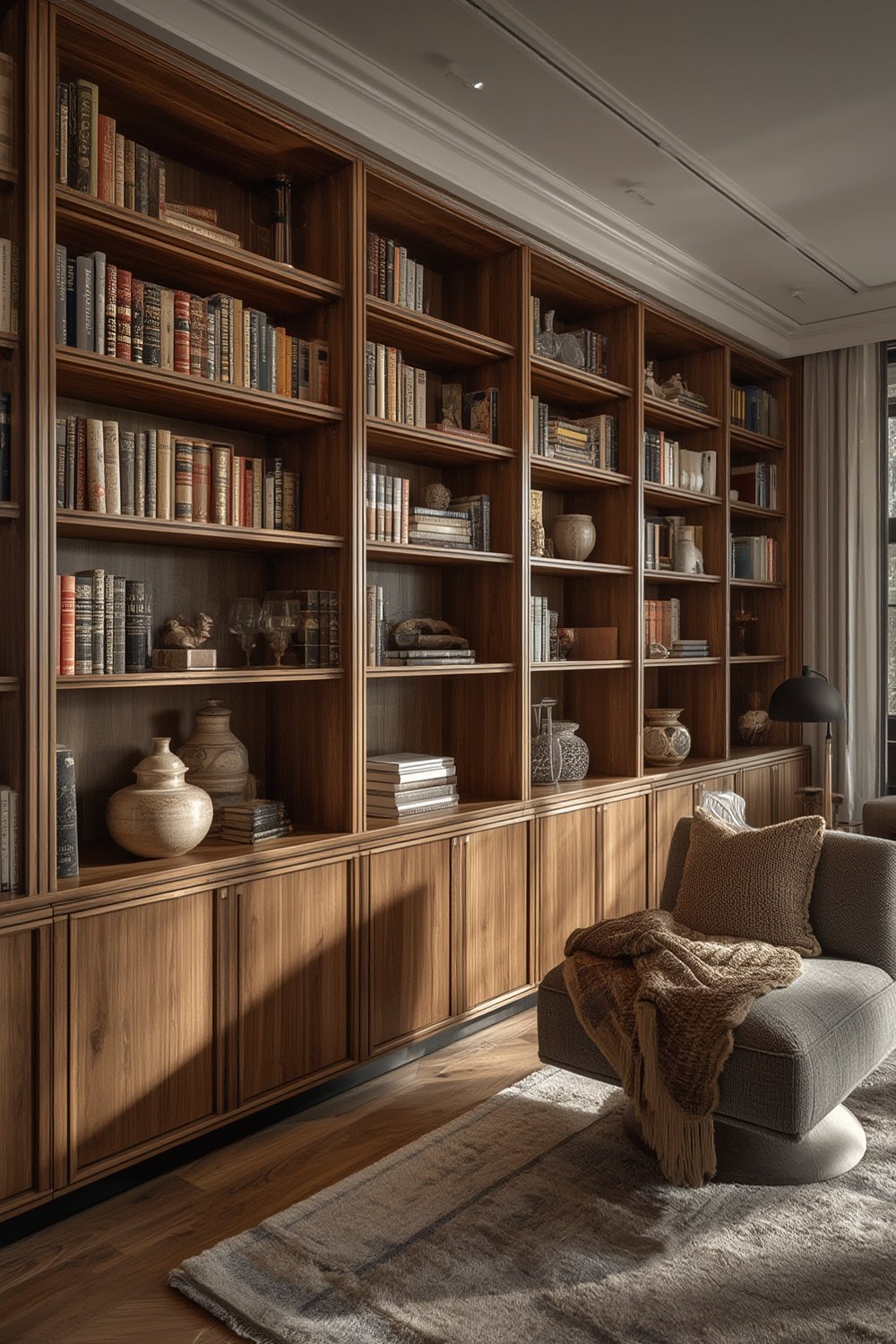
This is a pushback against high-gloss, impersonal design. TikTok creators such as Kailee Blalock (@houseofhive) went viral explaining how shelving can be authentic instead of forced. You’ll find encouragement to mix up old and new, let your books sit askew, and even use inherited or thrifted objects—anything that feels like you.
Trend visuals on platforms like Elle Decor and Southern Home & Hospitality depict spaces with floor-to-ceiling bookshelves in cozy, estate-inspired rooms. But the trend also faces criticism for promoting overconsumption, especially when people buy books just for show or use fake color-matched books. Renters and small-space dwellers can find this especially challenging, so adaptation and personal meaning are more important than “the look.”
Step-by-Step Guide
You don’t need a mansion or endless budget to achieve bookshelf wealth. Here’s how to get started and avoid the most common mistakes.
- Audit What You Already Have.
Lay out all your books—even the cookbooks and paperbacks. Group by sentiment, genre, or color if you must, but put top priority on those that are meaningful or have been read. - Choose Your Configuration.
If you have room, floor to ceiling built-in bookshelves evoke the look best. For smaller spaces or rentals, use modular shelves, wall-mounted racks, or stack sturdy crates. Don’t forget verticality—fill alcoves or go around doorways. Get further inspiration by looking at modular storage solutions for ideas on maximizing limited space. - Layer with Care.
Add art, framed photos, unusual objects, and souvenirs among your books. Lean smaller frames in front of rows, stack items horizontally and vertically, and try not to overthink placement. Imperfection makes it authentic and lively. - Edit Sparingly.
You don’t have to use every object! The trick is richness with some negative space. Adjust as you live with your shelves—swap in new finds, take out items that feel forced. - Infuse Coziness.
In front of your shelves, place a soft armchair, small lamp, or throw blanket to evoke that “library at home” feeling. The more inviting the space for you, the more likely you’ll actually spend time there—and that’s the point of bookshelf wealth.

Building out this look takes patience and a personal touch, not a credit card spree. For small homes, mix shelving with closed storage to avoid clutter. Renters: consider removable wall anchors or tension shelves. If you’re renovating, review guides on organizing adjustable shelving—many of the same principles carry over, as seen in this closet organizer comparison that also applies to shelf design.
Above all, let your bookshelf wealth be an honest reflection of your life and interests—not a trend you chase for likes.
Advanced Analysis & Common Pitfalls
The bookshelf wealth trend is inspiring, but it’s not without issues. Let’s look at real problems, mistakes, and how to avoid them.
- Overconsumption: There’s a big backlash about buying “books by the yard” just for looks, adding fake decor, or prioritizing color over content. This can strain budgets—and contribute to waste.
- Inauthentic Styling: Turning all book spines inward, using only matching covers, or staging shelves with unread volumes strips personality and is called out across social media for fakeness. TikTok and design forums widely ridicule these approaches. (source)
- Space Constraints: Renters and small-space dwellers face real barriers to floor-to-ceiling shelves or estate-style “library rooms.” Modular and wall-hung alternatives help, but most influencer examples are not practical for every home.
- Cost & ROI: No reliable 2024 data exists on built-in bookshelf installation costs or payback—but full custom built-ins can easily run thousands and may not pay off for short-term renters or resale. Rental-friendly hacks or modular setups sidestep this issue.
- Missing Sustainability Focus: Most guides skip eco-friendly tips. Resisting mindless buying and integrating thrifted, inherited, or upcycled items will set your shelves apart—while aligning with anti-consumer sentiment rooted in the trend’s criticism.
- Style Mistakes: Don’t overcrowd or obsess over styling. Sometimes, less “design” yields a more welcoming, visually rich result. For more advice on avoiding over-styled storage, read this practical guide on selecting closet organizer systems.
| Problem | Consequence | Solution |
|---|---|---|
| Buying unread books/fake decor | Expensive and inauthentic, environmental waste | Use books you’ve read, mix in thrifted finds, rotate objects |
| Copying social media “looks” (spines in, color block) | Criticized as fake, visually repetitive, loses personal meaning | Embrace organic arrangements and individual stories |
| Permanent built-ins in rentals or small homes | Wasted money, possible lease violations, limited flexibility | Try modular or tension shelving, customize with paint or removable wallpaper |
| Missing sustainability or overbuying | Guilt, environmental upset, trend backlash | Resist buying for looks, prioritize long-lasting, upcyclable items |
Another often underexplored arena is the evolution of renter and small-space bookshelf hacks. Try layering shallow book ledges above doorways, using double-depth stacks, or combining open and closed storage (see how modular systems like modular closet systems lend inspiration for bookshelf layouts).
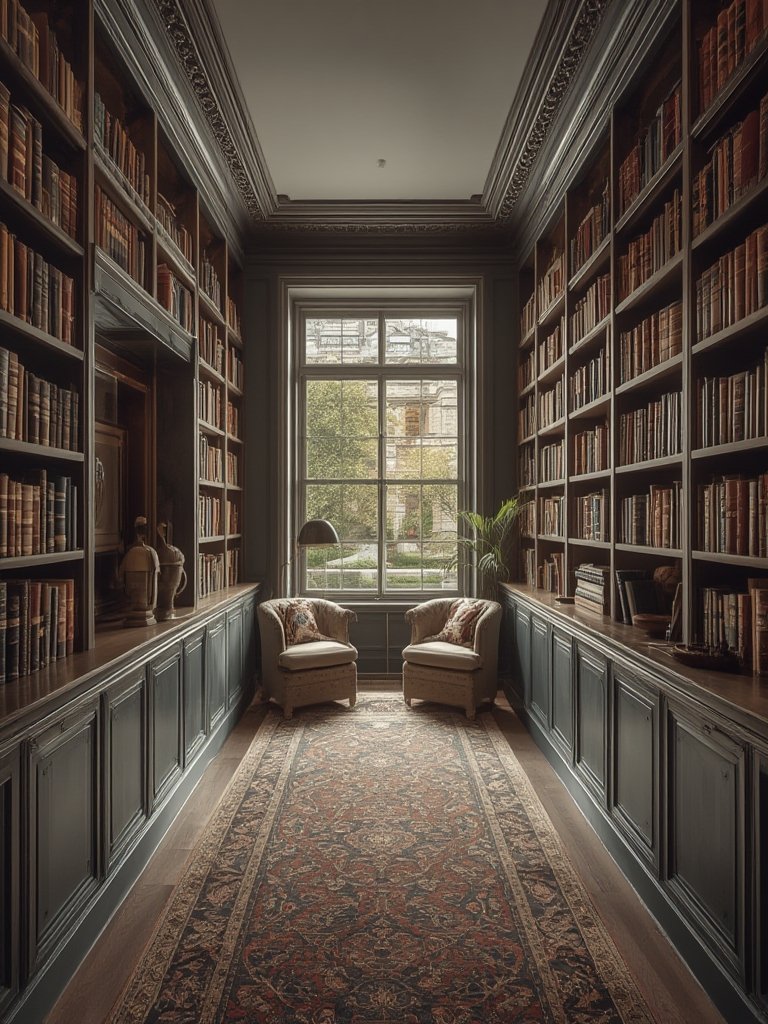
If you’re worried about getting started, remember: bookshelf wealth isn’t about copying influencer setups or trendy shopping. It’s about intentionally displaying what genuinely matters to you. Even if your “built-ins” are just repurposed bookshelves, the look is possible—as long as you avoid the common trappings above.
Conclusion
Bookshelf wealth gives you permission to show off the books, art, and objects that actually make your house feel like home. Even with budget and space limits, you can embrace this trend by focusing on authenticity, using what you have, and resisting the urge to buy for looks alone. Don’t let social media pressure push you toward fakes or clutter—real bookshelf wealth always starts with your own story.
Ready to try bookshelf wealth at home? Start with what’s already on your shelves and let your personal style shape every choice. For more practical organizing tips, check out our guide to the best closet organizer systems and explore modular options that work in any room.
FAQ
What is bookshelf wealth?
Bookshelf wealth is a design trend valuing authentic, lived-in shelves filled with real, read books and personal items—not staged collections. It focuses on warmth, personality, and evidence of a life well lived, rather than precise color coordination or minimalism.
How can renters create bookshelf wealth without built-ins?
Renters can use modular or wall-mounted shelves, combine multiple freestanding units, or utilize tension rods and book ledges. Painting shelves and walls the same color, or applying peel-and-stick wallpaper behind open shelves, can create the illusion of built-ins without permanent changes.
How do I avoid the common mistakes of bookshelf wealth styling?
Avoid buying books or objects just for aesthetics. Don’t turn book spines in or use only matching covers. Instead, use items with real meaning and embrace arrangement that is interesting but not forced.
Is bookshelf wealth expensive to achieve?
It shouldn’t be. The look is best when built over time with items you already own, thrifted finds, or inherited treasures—avoid splurging on unread “decorative” books or high-cost installations unless it suits your life stage and budget.
Does bookshelf wealth increase home value?
There is no direct data on ROI for built-in bookshelves. Generally, thoughtfully designed shelving can attract buyers, but taste-specific, permanent installations may not pay off in all markets. Modular, movable options are safest for most homes and budgets.
[…] your kitchen both beautiful and functional? You might find inspiration in our creative approach to built-in bookcase ideas for adjacent spaces or open shelf […]
[…] creative shelf inspiration, check bookshelf wealth styling tips for lived-in, flexible storage […]
[…] Bookcases that open to reveal secret shelving or hidden rooms (see built-in bookcase ideas) […]