

### Blog Post:
Concealed storage cabinet design is changing how homeowners maximize space, tackle clutter, and achieve clean, modern interiors without visible hardware or bulky units. As more people embrace minimalism and open-plan living, hidden storage furniture is surging—and so are opportunities, clever ideas, and pitfalls for anyone planning a truly seamless home.
Key Takeaways
- The concealed storage cabinet market is forecast to grow rapidly, fueled by modular designs, open-plan homes, and space-saving needs in urban areas.
- Successful concealed storage requires paying close attention to accessibility, mechanisms, and structural integration—these factors are often neglected in mainstream guides.
- Fire safety, childproofing, and advanced access options like biometrics are barely covered online but crucial for safe, future-proof hidden storage.
- The Core Concept: What Is a Concealed Storage Cabinet and Why Use One?
- Step-by-Step Guide: Plan and Install a Concealed Storage Cabinet
- Advanced Analysis & Common Pitfalls
- Conclusion
- FAQ
The Core Concept: What Is a Concealed Storage Cabinet and Why Use One?
A concealed storage cabinet is any storage solution built to blend invisibly into your home’s architecture. Unlike standard cabinets, these units feature hidden handles, push-to-open mechanisms, or are entirely masked behind wall panels, bookcases, or architectural features. Their purpose is simple: provide ample storage without adding visual clutter or disrupting clean lines—essential for minimalist or contemporary homes.
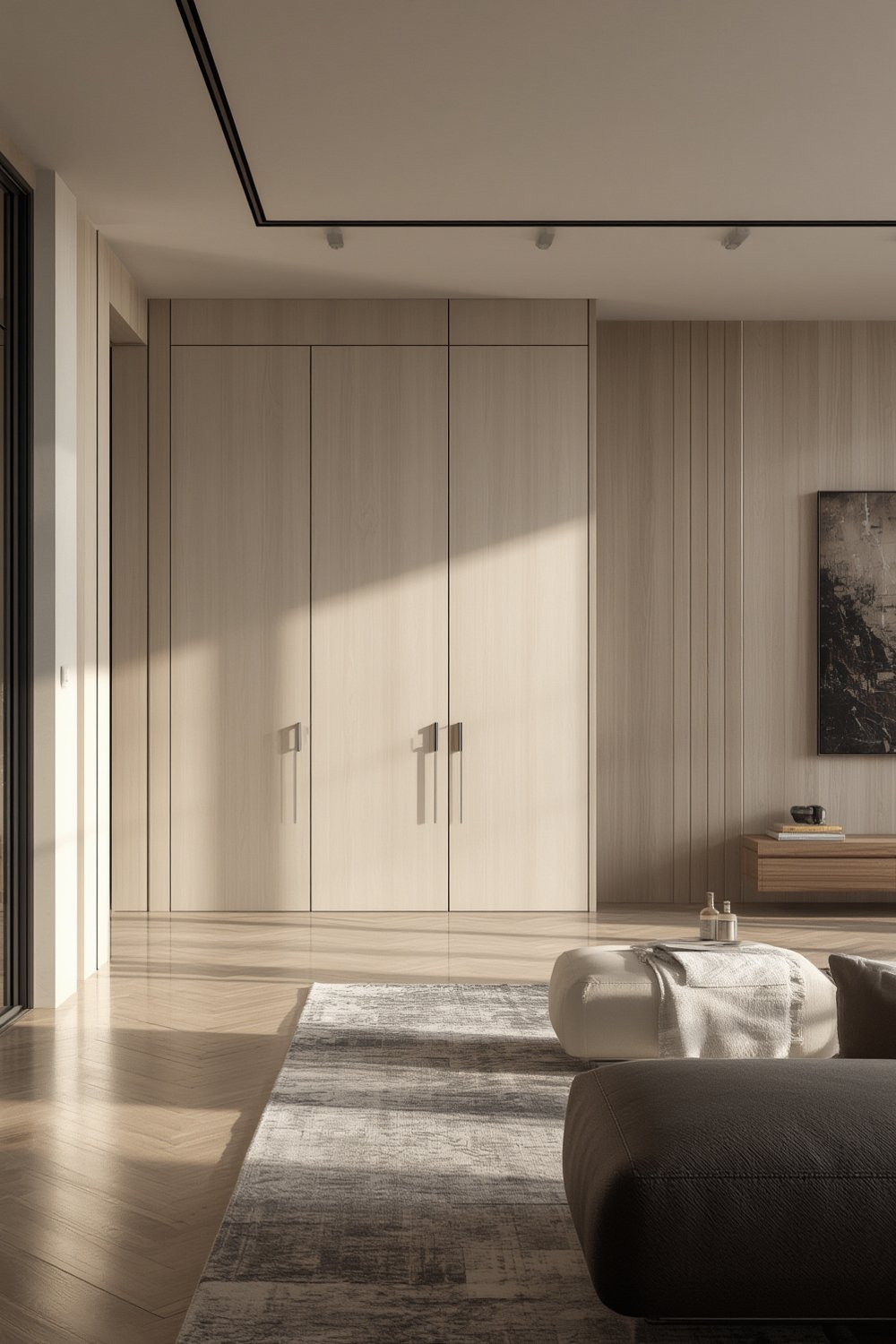
The trend is booming: the global cabinet market is projected to grow from $148.09 billion in 2026 to nearly $190 billion in 2031, mainly due to demand for modular, frameless, and hidden storage solutions. Frameless designs are especially popular in urban apartments and small homes where every square inch counts.
Common types include:
- Pantry cabinets with concealed doors that match kitchen walls
- Bookcases that open to reveal secret shelving or hidden rooms (see built-in bookcase ideas)
- Push-open cabinets in places where traditional hardware would disrupt flow
- Wall panels that double as hidden cubbies or utility closets
- Invisible drawers built under benches, stairs, or mudroom built-ins and coat storage (get mudroom built-in tips)
With open-concept kitchens and living rooms in demand, these cabinets fit seamlessly into modern design philosophies—resulting in less mess, easier cleaning, and preserved architectural harmony.
Step-by-Step Guide: Plan and Install a Concealed Storage Cabinet
To integrate a concealed storage cabinet into your space, follow these actionable steps:
-
Choose location and function
Identify high-traffic or clutter-prone areas. Good candidates: kitchens (pantries and appliance garages), mudrooms, under staircases, and dead space beside refrigerators. Explore under stair storage solutions for unconventional spots. -
Select cabinet type and style
Decide between push-to-open, touch-latch, or custom magnetic mechanisms. Most modern concealed cabinets use frameless (“European”) carcasses for seamless lines, especially for modular shelving system builds. -
Plan hardware and access
Concealed or inset hinges are essential. Think ahead to accessibility—some users struggle with push-to-open or touch latches. If childproofing or security is a concern, factor in child-resistant locking or smart features. -
Measure, order, and pre-assemble
Order custom or RTA (ready-to-assemble) cabinetry, matching materials and finishes to your walls or existing furniture. If space allows, consider integrating LED strip lights that activate when the cabinet opens. -
Install with surgical precision
Scribing panels, fine-tuning door gaps, and securing hidden hardware is surgical: off-level cabinets are instantly obvious. If in doubt, consult a cabinet installer. -
Finishing touches and testing
Paint, caulk, and align all seams. Test all mechanisms repeatedly. Don’t forget to integrate with other built-ins (see closet organizer systems for cohesive results).
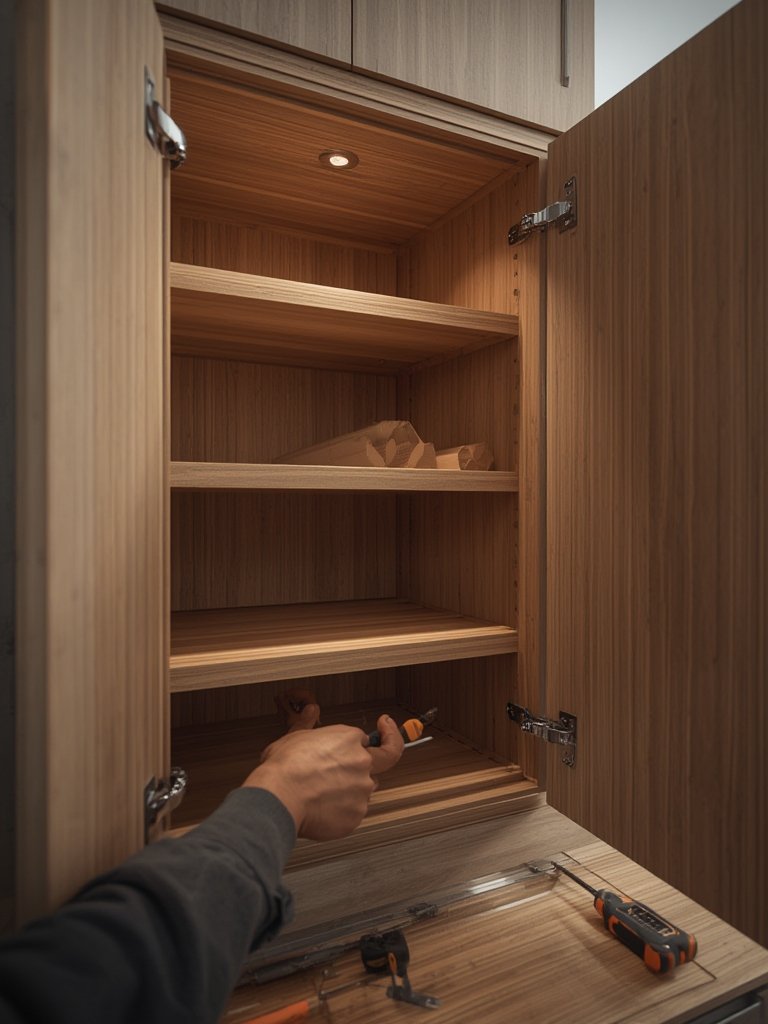
- For truly secret spaces (like walk-through pantries or hidden rooms), line panels and doors up with architectural reveals. Use trimless, inset, or flush doors and conceal seams with color-matched caulks—learn tricks from appliance garage kitchen projects.
- Optional extras: bi-fold panels for wide wall units, automated opening using touch or voice, and biometric or coded locks for valuables.
Advanced Analysis & Common Pitfalls
Concealed storage cabinets can transform any home, but hidden storage comes with unique challenges few guides discuss. Understanding these issues upfront avoids costly mistakes and frustration.
| Feature / Factor | Common Problems | Workarounds or Solutions |
|---|---|---|
| Accessibility | Push-to-open systems can be hard for users with mobility issues; latches may stick or require force | Specify ADA-compliant mechanisms; add large levers, soft-touch electronic openers—or simply standard pulls in hidden spots |
| Structural Integration | Secret doors may sag or bind if framing isn’t square or walls shift over time | Use adjustable concealed hinges and reinforced door frames; check load and movement before installing |
| Fire Safety | Concealed cabinet niches could hide wiring or combustible clutter | Use flame-retardant panels and check for code compliance—install smoke detectors in larger hidden rooms |
| Security & Childproofing | Hidden cabinets may tempt kids or accidental lock-ins | Install biometric or coded locks; check for auto-release latches or sensors for internal safety |
| Durability Over Time | Soft-close and push-open hardware can lose tension or alignment with heavy use | Opt for top-tier hardware, periodic maintenance, and plan for easy replacement access |
| Cost Uncertainty | Little published data on average costs; custom units can escalate quickly | Get multiple quotes, use RTA options where possible, and budget 20% margin for unforeseen issues |
- While real-life homeowner case studies are absent from published sources, design trends like hidden walk-through pantries, appliance garages, and flush modular systems are gaining traction globally (see 2026 custom cabinetry trends).
- Fire safety and disability accessibility remain woefully under-documented—even high-end market reports skip these key topics. Anyone planning a concealed wall cabinet or secret room must address these proactively.
Conclusion
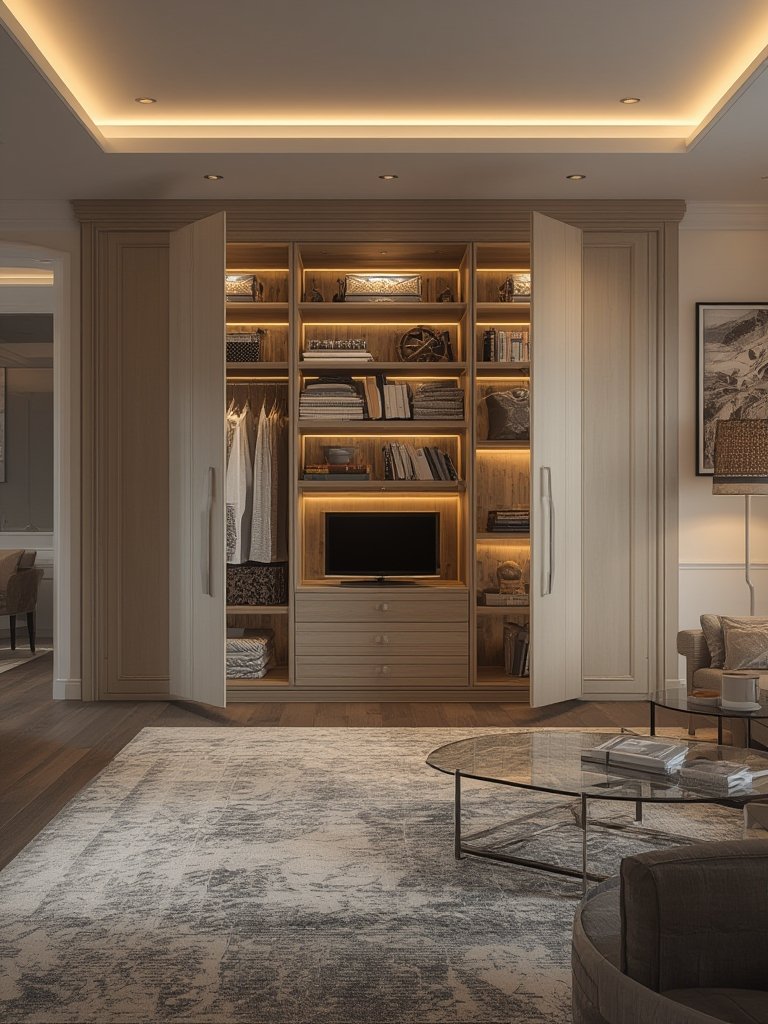
A concealed storage cabinet can change how you live—eliminating clutter, preserving the aesthetics of your space, and even boosting security. It is not without challenges: precise planning, high-quality hardware, fire safety, accessibility, and ongoing maintenance are all vital for a successful, problem-free installation. Ready to make your space smarter and more serene? Start with a concealed storage cabinet and integrate best-in-class solutions for a seamless, future-ready home. For even more ideas, review under stair storage, closet organization systems, and mudroom built-in inspiration to maximize every inch.
FAQ
What is a concealed storage cabinet?
A concealed storage cabinet is a storage unit designed to blend seamlessly into walls or furniture, often with hidden or no visible hardware. They are typically used to hide clutter and maintain smooth, unbroken lines in modern interiors.
How do I open a concealed storage cabinet without handles?
Most concealed cabinets use push-to-open, touch-latch, or even magnetic catch mechanisms. Some advanced designs allow voice or electronic biometric activation for improved accessibility or security.
Are concealed storage cabinets safe for kids?
If built with safety in mind, yes. Add childproof locks, avoid storing dangerous items, and consider auto-release latches or safety sensors in large, walk-in hidden storage areas.
Do concealed storage cabinets cost more than regular cabinets?
They often do, especially for custom, flush-mounted, or high-end mechanized units. Ready-to-assemble (RTA) frameless options are more affordable and available from many retailers, but precise installation is critical.
Are there fire safety rules for secret cabinets or rooms?
Yes, any concealed storage should meet local fire code, use flame-resistant materials, and avoid interfering with wiring or electrical components. Always check with a local contractor, especially for walk-in or large secret areas.