

### Blog Post:
Modular shelving system designs are changing the way we organize, optimize, and customize every kind of space, from urban apartments to high-capacity warehouses. Whether you’re searching for flexible storage, improving your workflow, or planning a future-proof design, understanding what these systems offer—and where they fall short—can save you time, money, and frustration.
Key Takeaways
- The modular shelving system market is set for strong growth, especially in North America, Europe, and the fast-developing Asia-Pacific region.
- High initial investment, potential for assembly damage, and quality variations are the most common pain points buyers face.
- Few resources fully address brand comparisons, real-world costs, or verified user complaints—research carefully before buying.
- Understanding Modular Shelving Systems
- How To Choose & Set Up a Modular Shelving System: Step-by-Step
- Advanced Analysis & Common Pitfalls
- Conclusion
- FAQ
Understanding Modular Shelving Systems
Modular shelving systems are designed to be flexible, configurable, and reusable. Instead of fixed shelving that locks you into one setup, modular units can be added, adjusted, or rearranged as your needs change. These systems shine in spaces where storage demands fluctuate—think growing families, e-commerce storage, or garages that flex between sports, hobbies, and tools.
What drives their popularity? Rising real estate prices are motivating homeowners and renters to squeeze more use from every square foot. Businesses need rapid, scalable storage for inventory and quick moves. Even book lovers want shelf solutions that look great, evolve with collections, and don’t wreck walls in the process.

Market research projects the global modular shelving unit market to reach $479 million by 2025, with a compound annual growth rate (CAGR) of 7.3% through 2033, fueled mostly by e-commerce, warehousing, and space optimization in cities (source). North America and Europe set the pace, but Asia-Pacific is accelerating as industrialization continues. Similar trends appear in broader shelving and storage markets, pointing to a major shift in how people and companies think about storage flexibility.
If closet organization is your primary concern, check out this in-depth comparison of the best closet organizer systems for real-world layout tips.
How To Choose & Set Up a Modular Shelving System: Step-by-Step
Ready to upgrade your storage? Here’s a practical process to ensure your modular shelving system works for your needs and budget—at home or work.
- Measure Your Space Carefully
Accurately measure all dimensions (height, width, depth, and any architectural features like outlets or trim). This avoids costly fit errors and lets you maximize your layout. - Identify Your Storage Needs
List what you plan to store now and in the near future. Group by weight, fragility, and frequency of access. Estimate how often you’ll need to adjust or move shelves. - Set Your Realistic Budget
Modular shelving isn’t always cheap upfront. Account for initial purchase, shipping, any installation services, and possible extensions later. Stationary systems are cost-effective, but retrofitting for mobility can cost up to 45% more (source). - Evaluate Material and Weight Ratings
For heavy storage (garages, warehouses), check for systems that can handle upwards of 2,000 kg per bay. For home or office use, focus on solid materials (steel, high-grade engineered wood) and reputable brands. - Look for Simple Assembly and Expansion Options
Opt for systems with clear instructions and minimal specialized tools. Prefer brands with modular “extras”—drawers, hooks, baskets, or back panels—that click in without complex hardware. - Purchase and Assemble with Care
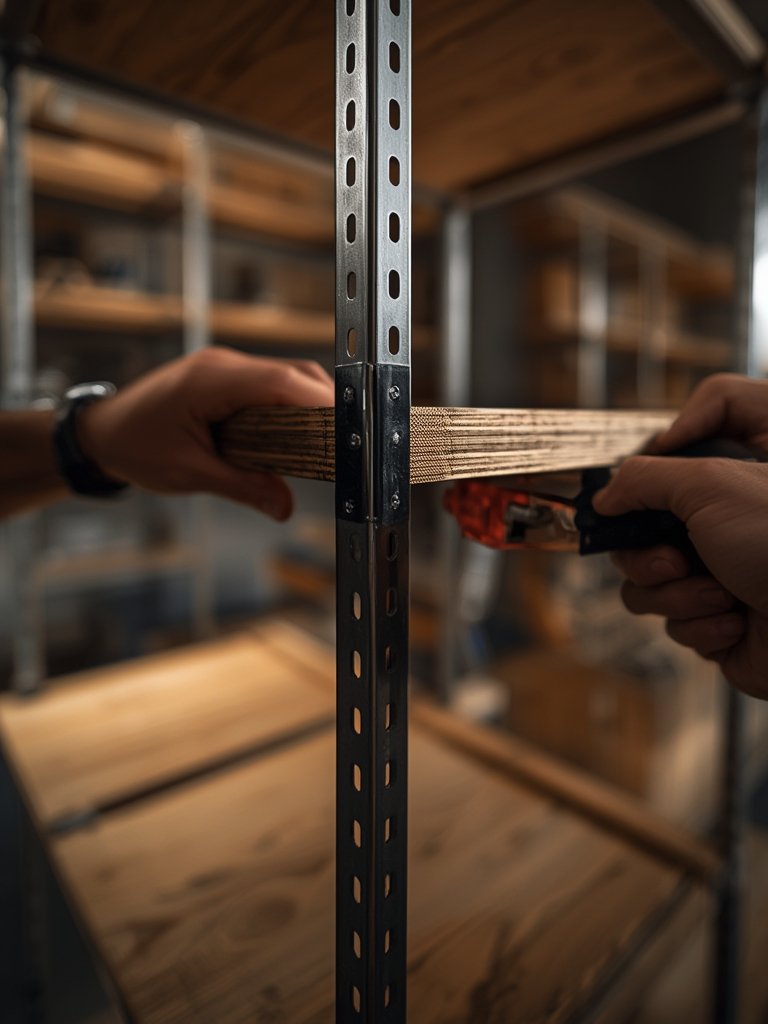
Open all boxes before starting to check for damage or missing parts (a common issue). Lay out components. Follow instructions closely to avoid damage during assembly or reconfiguration. - Customize to Fit
Adjust shelves heights, add accessories, and ensure anchoring where safety requires—especially for tall or wall-mounted units.
Want more creative shelf styling? Dive into the Bookshelf Wealth trend for authentic, lived-in bookcase inspiration.
Considering built-ins for trickier spaces? Explore custom under stair or mudroom storage with guides like under stair storage built-ins and mudroom built-ins.
Advanced Analysis & Common Pitfalls
Market data and industry analysis highlight several recurring pitfalls and user complaints for modular shelving systems:
- High Initial Investment: Modular systems cost more up front than standard shelving. Mobile retrofits can run 45% higher than stationary, a key barrier for households and small businesses.
(Stationary shelving remains more budget-friendly if flexibility isn’t vital.) - Assembly Damage Risk: There is real potential for cosmetic or structural damage during assembly/disassembly. Poor instructions or rushed builds increase the risk, especially with lower-quality brands (source).
- Quality Variation Between Manufacturers: Not all modular systems are created equal. Some brands cut corners on materials, resulting in weak joints, shelf sag, or poor finishes. There’s a lack of verified reviews or third-party test data, so be wary of “too good to be true” deals.
- Maintenance Costs for Heavy-Duty or Mobile Models: High-capacity or mobile units may entail more frequent maintenance or professional servicing over time, adding to long-term costs (source).
- Practical Limits to Reconfiguration: While marketed as endlessly adjustable, some units show wear or loosened pockets after repeated changes. Damage risk can grow each time the system is modified.
- Cost Transparency Lacking: Few brands or resellers provide upfront totals for shipping, accessories, installation, and future expansion—all factors that add up.
- Insufficient Verified User Feedback Online: Verified customer reviews are sparse for many popular systems, making it hard to compare real-world durability or satisfaction.
| Feature | Modular Shelving System | Traditional Fixed Shelving |
|---|---|---|
| Flexibility | Highly adjustable; reconfigurable; expandable | Static; limited adjustments; expansion requires new components |
| Installation & Relocation | Easy for most units, but risk of assembly damage | Semi-permanent; risky to uninstall or move |
| Weight Capacity | Up to 2,000 kg per bay for heavy-duty models | Varies; often lower than modular commercial models |
| Long-Term Costs | High initial cost; potential maintenance/repair costs | Lower upfront; limited additional costs |
| Warranty/Support | Varies by brand; some offer limited coverage; little third-party verification | Similar (if any); fewer moving parts to fail |

If you need specialized storage (kitchens, mudrooms, or under stairs), check out these guides on kitchen appliance garage solutions and mudroom built-in planning for inspiration and advice tailored to challenging spaces.
Conclusion
Modular shelving systems deliver next-level flexibility, but they aren’t perfect. High initial costs, brand-to-brand quality differences, and sparse real-world data can make choosing the right setup a challenge. Still, when configured for your exact needs—especially in homes or urban settings with changing priorities—a modular shelving system is often the smartest way to maximize your space without locking yourself into a single solution.
Compare your top choices, set a practical budget, and plan your layout before buying. Start optimizing your space today—find the right modular shelving system and get organized for good.
FAQ
Are modular shelving systems worth the higher initial cost?
If flexibility, expansion, or frequent reconfiguration matter, modular shelving systems often justify the investment. For fixed, low-change needs, traditional shelving may be more budget-friendly.
Can I install modular shelves myself, or is professional assembly required?
Most modular shelving can be installed by a confident DIYer, though heavy-duty or large-scale setups may need two people or professionals for safety and to minimize damage risk.
What’s the weight limit for typical modular shelving units?
Light and mid-range home systems usually handle 50-300 pounds per shelf, while industrial modular designs can support over 2,000 kg per bay. Always check manufacturer specifications.
Do modular shelving systems work in small spaces?
Yes. Their adjustability makes them ideal for maximizing small rooms, odd corners, or underutilized areas. Take extra care with accurate measurements for a perfect fit.
How do I find reliable reviews and real-world comparisons?
Sadly, third-party reviews are limited for many brands. Look for products with detailed installation guides, verified purchase ratings, and ask for references or photos from other users when possible.