

### Blog Post:
Appliance garage kitchen solutions are reshaping how homeowners design modern kitchens, offering clever ways to hide small appliances without losing accessibility. As kitchen spaces evolve to prioritize both function and clean lines, understanding appliance garages is essential for anyone seeking stylish, organized countertops that suit real-life cooking and entertaining.
Key Takeaways
- Appliance garage kitchen cabinets are one of 2026’s top trends, offering discreet storage and keeping countertops clutter free.
- Design, safety, and accessibility are crucial—key innovations like modularity, effective ventilation, and smart features remain mostly unaddressed in mainstream articles.
- Most commercial resources ignore detailed cost, sizing, and code specifications for integrating outlets or advanced features, making research and careful planning essential.
- What Is an Appliance Garage Kitchen—and Why Use One?
- How to Plan and Build an Appliance Garage Kitchen Cabinet: Step-by-Step Guide
- Advanced Analysis and Common Pitfalls
- Conclusion
- FAQ
What Is an Appliance Garage Kitchen—and Why Use One?
At its core, an appliance garage kitchen cabinet is a built-in or custom enclosure designed to tuck away small appliances—think toasters, blenders, or coffee makers—behind doors that can be easily opened when needed. This lets you maintain a streamlined, clutter free countertop without sacrificing everyday convenience. Appliance garages can be designed as part of new kitchen cabinetry, added into a renovation, or retrofitted as a DIY project.
This discreet storage solution gained massive popularity in 2026, becoming standard in many new kitchens thanks to its blend of style and practicality. According to recent market research, appliance garages fit the new demand for hidden, accessible storage and encourage organized, efficient cooking spaces. Frameless cabinets and under-counter appliance integration are also trending, opening up even more creative ways to blend appliance garages seamlessly into your kitchen layout.
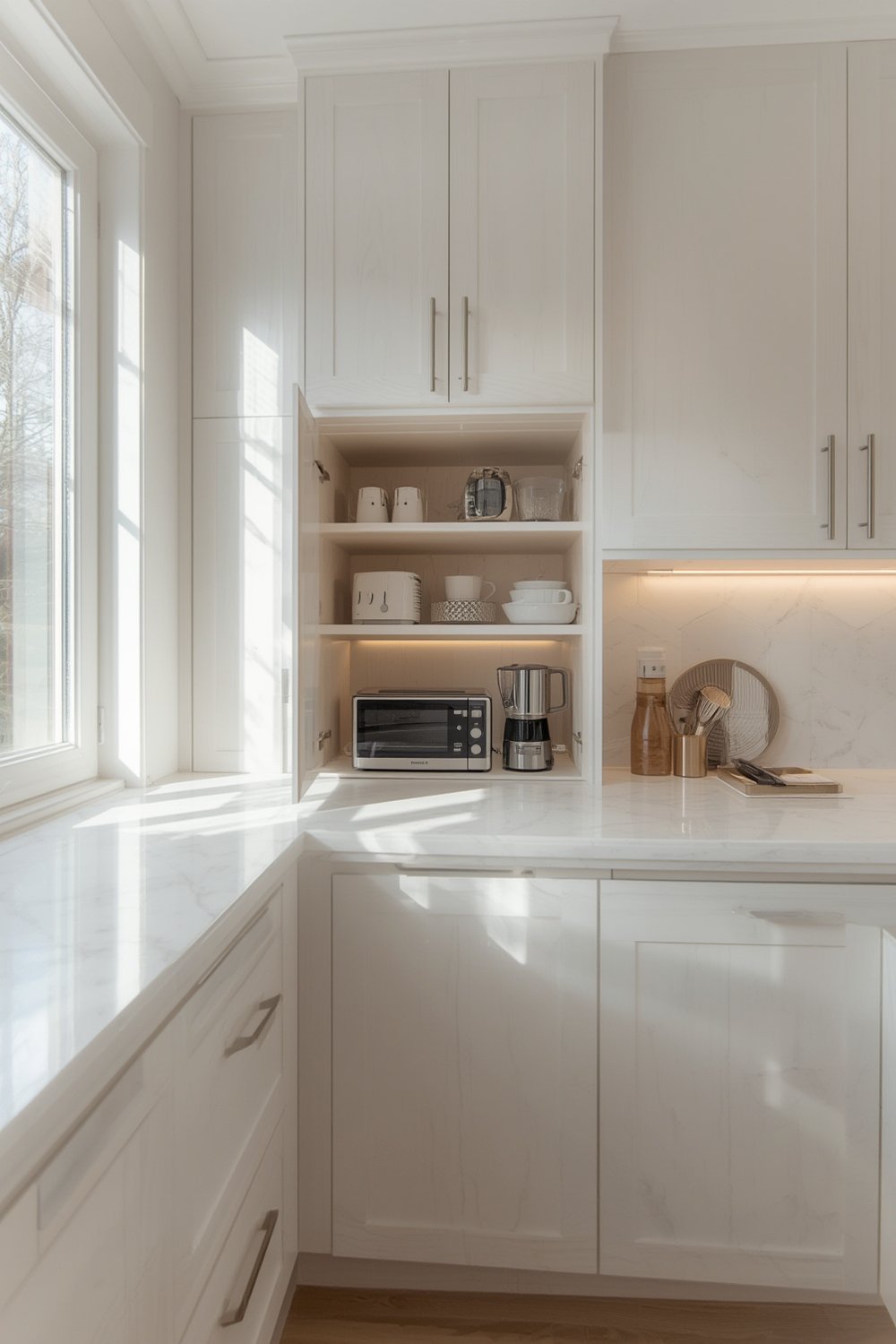
Key advantages of an appliance garage kitchen cabinet include:
- Decluttering your work surface without making appliances hard to reach.
- Protecting machines from dust and kitchen splatter.
- Integrating optional outlets for plug-and-use functionality.
If you love the idea of maximizing storage throughout your home, you might also appreciate our in-depth guide to best closet organizer systems for every closet type.
How to Plan and Build an Appliance Garage Kitchen Cabinet: Step-by-Step Guide
Ready to add an appliance garage to your kitchen? Here’s a comprehensive, practical process—whether you DIY, hire a cabinetmaker, or buy semi-custom options.
- Identify Your Needs and Space:
- List the appliances you use most and want to hide: coffee makers, air fryers, stand mixers, etc.
- Evaluate available countertop or lower-cabinet space—make sure you leave room for plugged-in use (and open appliance lids).
- Choose a Door Style:
- Tambour doors (roll up and down) are sleek and space-saving but may be trickier to repair if the tracks wear out.
- Bi-fold, hinged, or lift-up doors offer more straightforward construction.
- Coordinate cabinet finish—frameless designs are rising in popularity for a modern look.
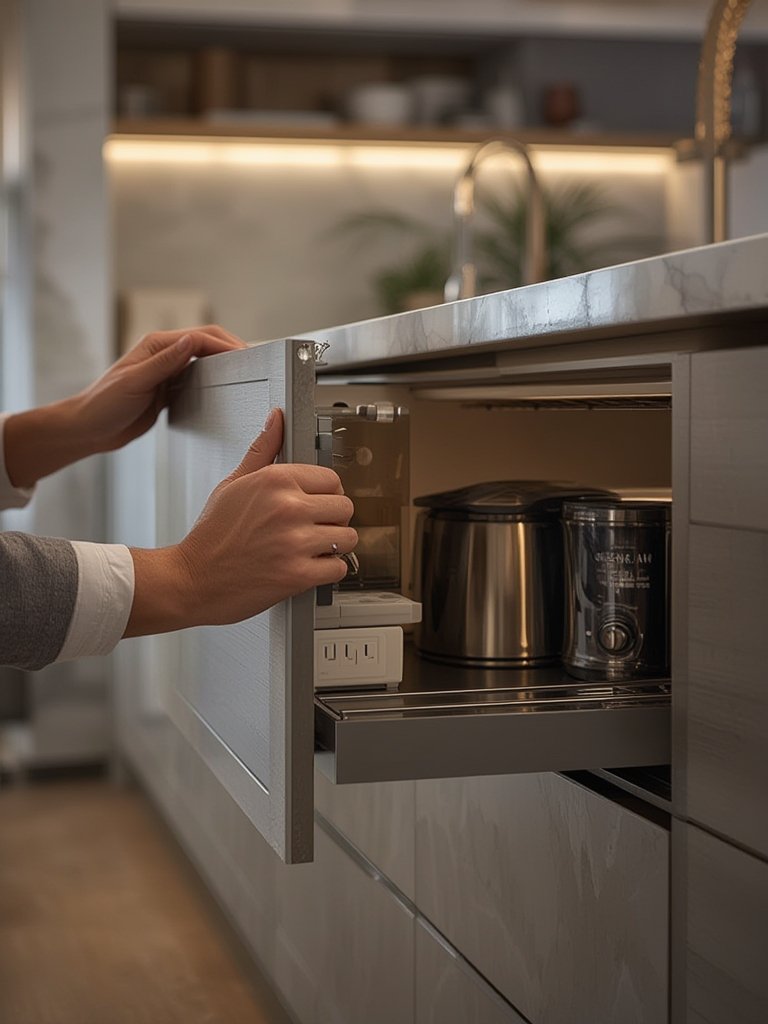
- Plan for Power:
- If you want built-in outlets, consult an electrician and always follow local code (see analysis below—detailed specs aren’t widely published in 2026).
- Choose GFCI outlets for safety and leave enough clearance for cords and plugs.
- Ventilation & Safety:
- Make sure the space can vent heat—drill small vents or use a slatted back if appliances create steam or heat.
- Never leave appliances running with the door closed to reduce the risk of overheating.
- Installation:
- For DIY: Buy a cabinet box that fits, or build one from plywood—install your choice of door kit, hardware, and handles.
- Add interior outlet(s) if desired (again, code-compliant install is essential for safety).
- Finishing Touches:
- Add cable management clips, anti-slip shelf liners, or even under-cabinet lighting.
- Style the exterior to blend seamlessly with your kitchen cabinetry—minimalist, traditional, or bold color, depending on taste.
Looking for other ways to make your kitchen both beautiful and functional? You might find inspiration in our creative approach to built-in bookcase ideas for adjacent spaces or open shelf transitions.
Advanced Analysis and Common Pitfalls
While appliance garage kitchen designs are visually appealing and trendy, they come with some very real challenges and limitations. Proper planning can help you avoid regret and ensure lasting performance.
1. Hidden Costs and Pricing Mysteries
Despite the popularity of appliance garages, 2026 research reveals almost no published cost data. Pricing can vary dramatically based on materials, door hardware (tambour kits, custom lifts), outlet installations, and custom cabinet size. Talk to cabinetmakers about specifics and always factor in electrical labor and higher-end components if you want outlets or powered cabinet lighting.
| Door Type | Pros | Cons | Estimated Maintenance |
|---|---|---|---|
| Tambour (Roll-up) | Space-saving; easy open/close; seamless look | Can jam if rails get dirty; repair is complex | Occasional cleaning; track lubrication; prone to wear over many years |
| Hinged | Simple; sturdy; easy to install/replace | Doors swing out—can block workspace; less contemporary | Minimal upkeep; hinge tightening |
| Lift-up/Bi-fold | Modern; less workspace interference | Spring or hydraulic mechanisms can wear | Mechanism checks; possible spring replacements |
2. Safety and Code—The Overlooked Essentials
Surprisingly, major trend articles do not provide details on code-compliant outlet installs in appliance garages or guidance on fire safety specifics. If you add an outlet, ask your electrician about:
- GFCI protection and amp rating suited for small kitchen appliances
- Ensuring proper ventilation so heated appliances don’t create a fire risk
- Wire management inside a closed cabinet (code can require openable doors during operation for certain appliances)
If these safety elements aren’t addressed up front, you risk both code violations and potential hazards.
3. Unmet Needs: Modularity, Smart Cabinets, Ventilation
Research in 2026 spotlights innovation gaps:
- Modularity — Most garages are static, not adjustable for future appliance changes.
- Ventilation — No built-in ventilation fans or steam exhaust options; users are left to drill vents or simply open the door.
- Smart Integration — No real progress on WiFi-enabled outlets or app-connected appliance garages on the market, despite broader smart kitchen growth.
If you want a solution that adapts to tech and daily changes, you’ll have to carefully plan and likely customize your design. For advanced closet storage that actually adapts—see our review of superior modular closet organizer systems.
Conclusion
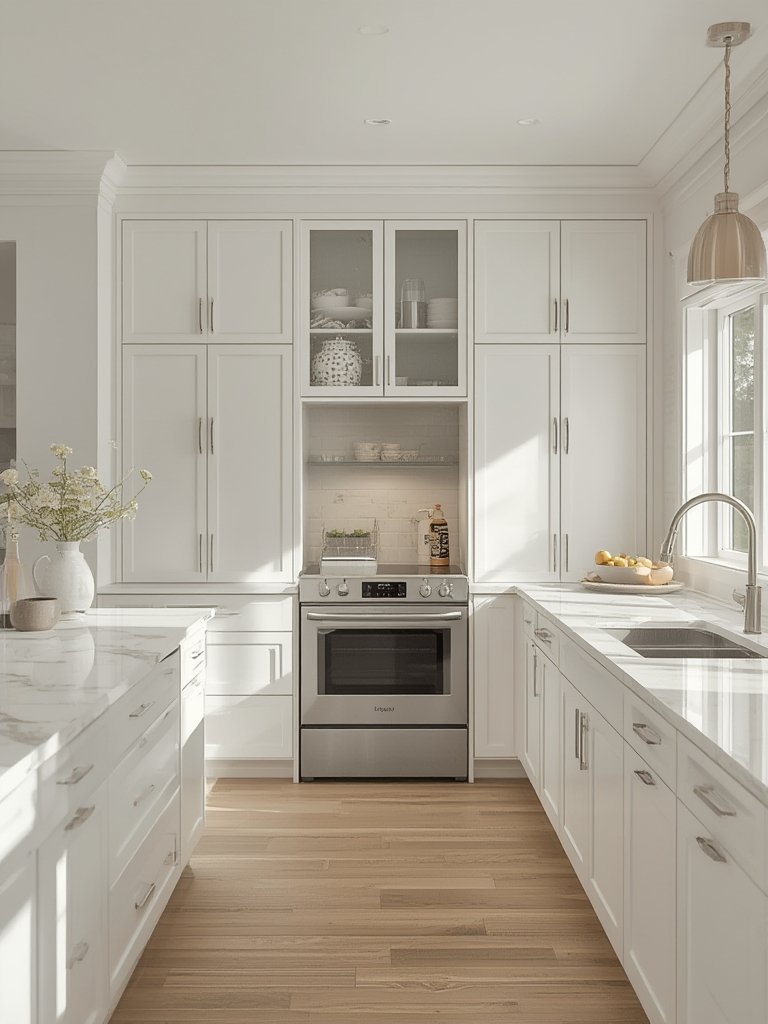
The appliance garage kitchen is a proven solution for decluttering countertops and streamlining the look of any kitchen. Still, most designs leave much to be desired in terms of outlet safety, modularity, and smart features. If you plan to build your own, measure carefully, follow code for power installs, and consider futureproofing with features that better match your family’s evolving habits. Ready for more storage wins? Dive deeper into related guides, from closet systems to bookcase inspiration, and make your entire home as efficient as your new appliance garage kitchen.
FAQ
What’s the main benefit of adding an appliance garage kitchen cabinet?
It keeps your countertop clear by hiding small appliances, reduces visible clutter, and still allows for quick access during busy mornings or family meals.
Can I retrofit an appliance garage cabinet into my existing kitchen?
Yes, many homeowners install appliance garages during a kitchen refresh or renovation by converting an upper corner cabinet or customizing a standard cabinet box with a roll-up or lift-up door kit.
What are the common pitfalls to avoid when designing one?
Most mistakes involve forgetting to account for appliance height, not leaving enough depth for plugged-in use, or neglecting the need for proper ventilation. Avoid putting outlets where cords will bend sharply.
Are tambour doors easy to repair if they break?
Tambour (roll-up) doors look seamless but can be tricky to fix if the track breaks or the slats come loose. Hinged or lift-up doors are easier for DIYers to repair or replace.
Do appliance garage cabinets add value to my home?
They are considered an upscale feature in 2026 kitchen design trends, so a well-planned appliance garage can increase both daily enjoyment and overall home appeal for buyers.
—