

Built-in pantry cabinet installations have surged in popularity as kitchen renovations grow, offering seamless storage that solves clutter for modern homes.
Key Takeaways
- 47% of kitchen renovators in 2026 choose built-in pantry cabinets, drawn by customized storage and higher home value.
- Frameless wood cabinets in medium tones are the most popular, combining lower cost with modern style.
- Planning, installation, and understanding common pitfalls are crucial for a functional, trouble-free built-in pantry cabinet.
- The Core Concept: What and Why of Built-In Pantry Cabinets
- Step-by-Step Guide: Planning and Installing a Built-In Pantry Cabinet
- Advanced Analysis & Common Pitfalls
- Conclusion
- FAQ
The Core Concept: What and Why of Built-In Pantry Cabinets
Built-in pantry cabinets are storage solutions integrated seamlessly into your kitchen design, offering a streamlined look and maximizing storage efficiency over freestanding alternatives. Unlike movable pantries, built-ins are custom-tailored to your space, often stretching floor to ceiling, minimizing wasted corners, and syncing with both your cabinetry style and your workflow.
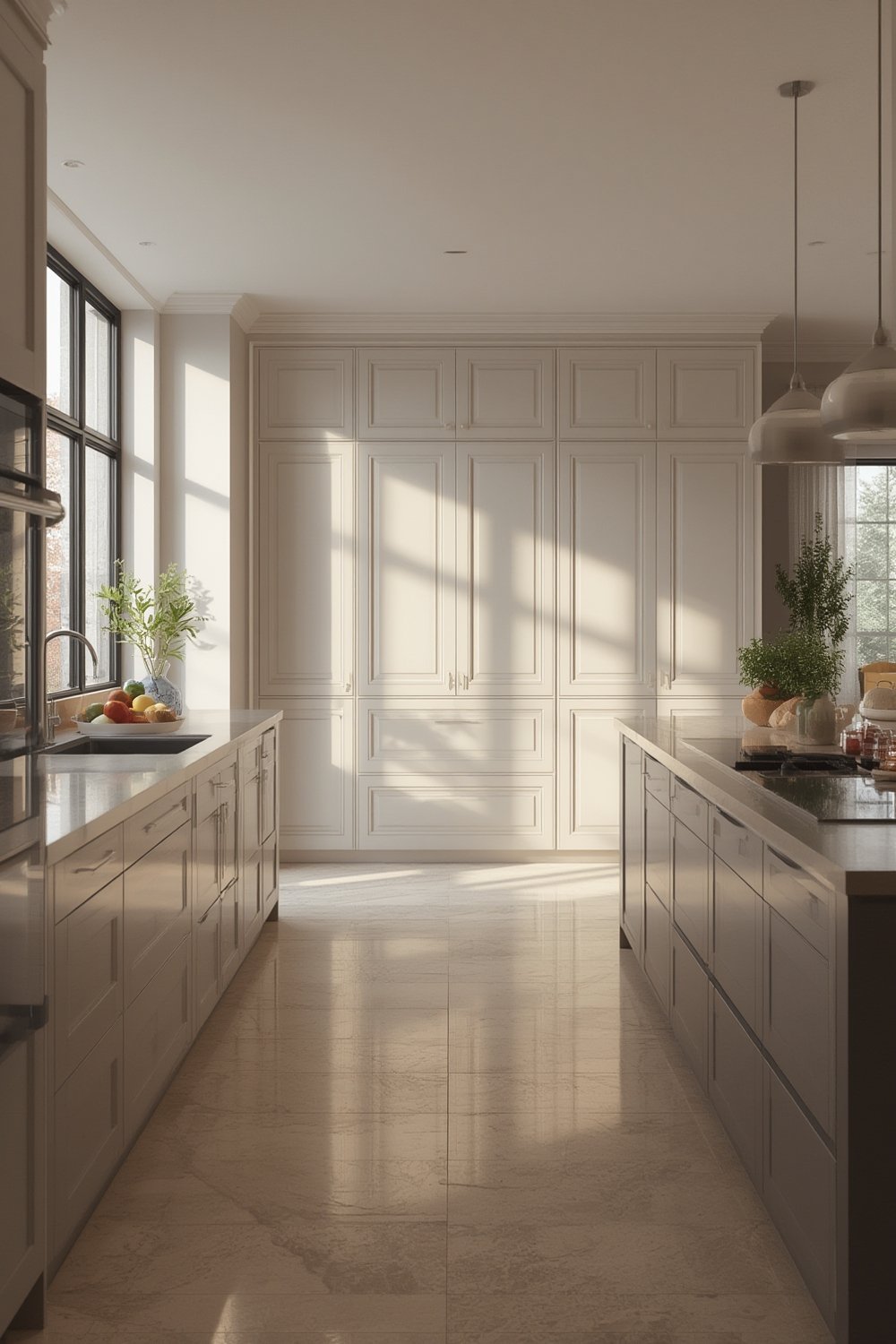
In 2026, built-in pantry cabinets are more than a trend—they reflect how modern kitchens are designed for function and daily convenience. According to industry forecasts, U.S. demand for kitchen cabinetry, including pantry built-ins, is climbing to $20.9 billion, with nearly half of all kitchen renovators adding specialty storage features.
Choosing a built-in pantry cabinet can:
- Provide cleaner lines and permanent storage without eating into floor space
- Allow deeper shelves, pull-outs, or even custom inserts for better organization than standard cabinets
- Boost property value with features like a hidden pantry or a butler’s pantry adjacent to the main kitchen
Explore complementary storage options such as a modular closet system for adjacent areas or combine with concealed storage cabinet solutions for a streamlined look.
Step-by-Step Guide: Planning and Installing a Built-In Pantry Cabinet
Installing a built-in pantry cabinet demands precise planning, from measuring the space to final installation. Here’s a proven process you can follow:
-
Measure Your Space Accurately
Start by measuring ceiling height, wall width, and depth between adjacent cabinets or drywall. Allow for door clearance and pathways—especially for walk-in pantries.
-
Choose the Right Style and Material
In 2026, wood outpaces other materials for built-in pantry cabinet construction, with medium tones (oak, maple) being most popular. Frameless options offer more usable internal space and lower cost than face-framed cabinets (see source: 2026 Houzz Kitchen Trends Study).
If modern minimalism is your style, frameless systems are recommended. For traditional kitchens, a face-framed or shaker style may be more cohesive.
-
Select Your Interior Layout
Plan shelving heights based on what you store: short spaces (5-7 inches) for cans, 12-18 inches for cereal boxes, and deeper sections for appliances or bulk goods. Consider pull-out baskets or drawers for easy access, and reserve a zone for cleaning tools or pet food if needed.
-
Prep Your Tools and Materials
Standard tools: level, stud finder, drill, wood glue, screws, drywall anchors if not fixing to studs, mounting brackets for floating shelves, finishing trim, and paint or sealant for durability and cleaning ease.
-
Install Cabinetry Step by Step
- Mark your layout on the wall, find and mark studs for secure anchoring.
- Install cabinet boxes first, anchoring them to both wall studs and floor for stability.
- Add doors, interior shelves, organizers, or pull-outs.
- Caulk or finish any exposed joints for a seamless built-in look.
-
Finishing Touches
Paint or stain the doors and trims, add handles or push-open hardware, and consider soft-close hinges for longevity and safety.
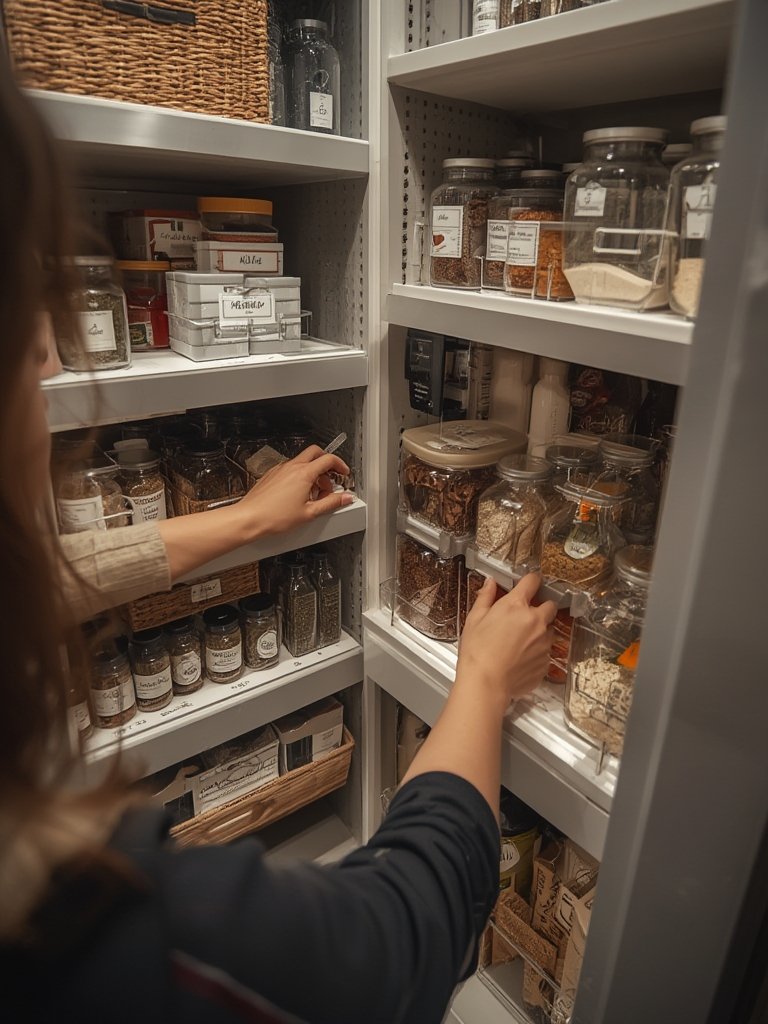
If you want additional hidden countertop storage, investigate appliance garage kitchen options for an ultra-organized setup.
For tricky layouts like under-stairs or mudrooms, see expert advice at under stair storage built-in and mudroom built-ins planning guide.
Advanced Analysis & Common Pitfalls
Despite the rising demand, data on long-term durability or maintenance for built-in pantry cabinets is still scarce in 2026. However, several practical issues and common mistakes can crop up:
- Inaccurate Measurements — Even a small miscalculation leads to doors that don’t close, shelves that sag, or wasted gaps.
- Underestimating Load — Overloading adjustable shelves not designed for heavy goods (e.g., cases of soup) can cause bowing or failure.
- Poor Ventilation — Floor to ceiling built-ins may trap humidity near walls if not ventilated, resulting in mildew, especially in older homes.
- Hard-to-Reach Storage — Ceiling-high shelves are visually appealing but may become “dead” space without a handy step-stool or lower pull-outs.
- Material Choice — While wood dominates, the lack of easy-clean, moisture-resistant finishes (like laminate or painted MDF) can make cleaning more labor-intensive, especially for households with young children.
- Over-Complicated Organization — Too many custom inserts or pull-outs may look good but can reduce usable space versus simple, adjustable shelving. Modular systems (see modular shelving system guide) allow for future flexibility.
| Material/Finish (2026) | Pros | Cons |
|---|---|---|
| Wood (Medium Tone) | Classic, fits most kitchens, easy to repair, high demand | Requires sealing, may warp if not properly finished |
| Wood (Light/Dark) | Modern or traditional look, stains cover wear | Shows marks or dust more easily |
| Frameless Cabinets | Lower cost, more usable shelf space, modern design | May lack decorative features |
| Face-Framed Cabinets | Traditional profile, more rigid | More expensive, less usable interior space |
| Metal Cabinets | Durable, growing trend | Less common, industrial look, higher cost |
It’s important to know that building codes and accessibility regs for pantry cabinets haven’t been standardized as of 2026. For any full walk-in pantry, consult a local contractor if you plan plumbing or electrical changes.
Conclusion
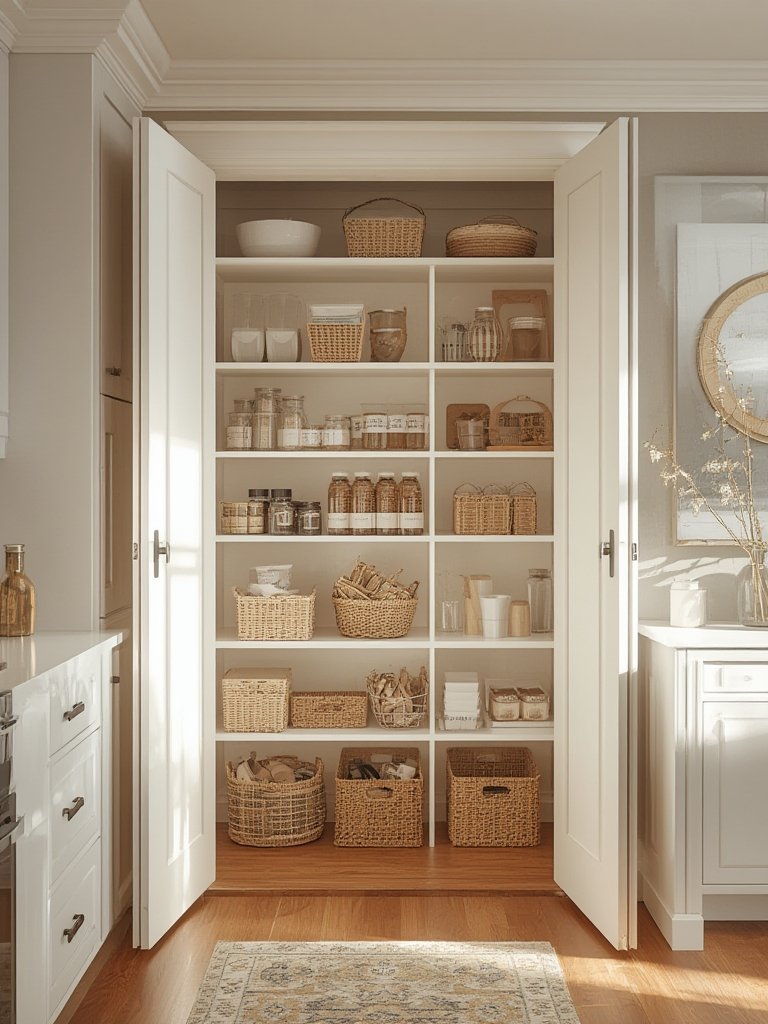
With demand for built-in pantry cabinets at an all-time high, investing in a functional, well-planned solution is one of the smartest ways to organize your kitchen and boost your property value. Choose durable wood in popular tones, use accurate measurements, and opt for adjustable shelving to future-proof your new pantry. For smart integrations, look into adding appliance garages, under-stair pantry units, or window seat storage. A little planning goes a long way—make your built-in pantry cabinet the centerpiece of a kitchen that finally works for you.
Ready to transform your space? Start your project today and explore expert resources on layout, storage, and installation to get the best results—your future kitchen will thank you.
FAQ
What is the ideal depth for a built-in pantry cabinet?
Most built-in pantry cabinets are 15 to 24 inches deep. Go at least 18 inches for full-sized groceries and appliances, but no deeper or you risk losing sight of items at the back.
How do I keep my pantry cabinet clean?
Choose finishes that resist stains (painted MDF, sealed wood, or laminate). Use baskets or liners for shelves and regularly wipe down surfaces. Avoid open wire racks in dusty climates.
Is a built-in pantry cabinet better than a freestanding pantry?
Built-ins typically offer greater space efficiency by fitting wall-to-wall and floor-to-ceiling, with custom shelf layout. They boost home value and visual unity but cost more and cannot be moved.
Can I install a built-in pantry cabinet myself?
DIY is possible for basic models if you have carpentry experience and proper tools. For complex layouts or integration with other features, hiring a pro is recommended for safety and finish quality.
What storage features should I add for maximum utility?
Combine fixed deep shelves for bulk goods, narrow adjustable shelves for cans, and a few pull-out trays. Built-in spice racks on doors and basket zones for snacks or pet food also increase usability.