

### Blog Post:
Home bar built-in projects are now a top way to add value, style, and function to your living space—yet getting them right means knowing real costs, design limitations, and installation challenges before you start.
Key Takeaways
- Expect total installation costs for a home bar built-in to range from $900 to $40,000+ depending on your design, materials, and location.
- Common pitfalls include lack of airflow for wine storage, electrical/plumbing complexity, and organizational issues—often overlooked in most guides.
- Features like custom cabinetry, lighting, and dedicated beverage centers define high-end home bar built-ins but can quickly increase costs and challenge DIYers.
- What Is a Home Bar Built-In and Why Build One?
- How to Plan and Build Your Home Bar Built-In (With Wine Storage)
- Advanced Analysis: Costs, Pitfalls, and What Pros DON’T Tell You
- Conclusion
- Frequently Asked Questions
What Is a Home Bar Built-In and Why Build One?
A home bar built-in is a permanent cabinet system dedicated to storing, mixing, and serving drinks within your home—whether it’s a basic dry bar (no sink), a custom setup with wine rack and storage, or a full wet bar for hosting guests. They’re designed to fit seamlessly into your wall, basement, dining room, or den, providing both function and a statement piece you won’t find with generic freestanding bars.
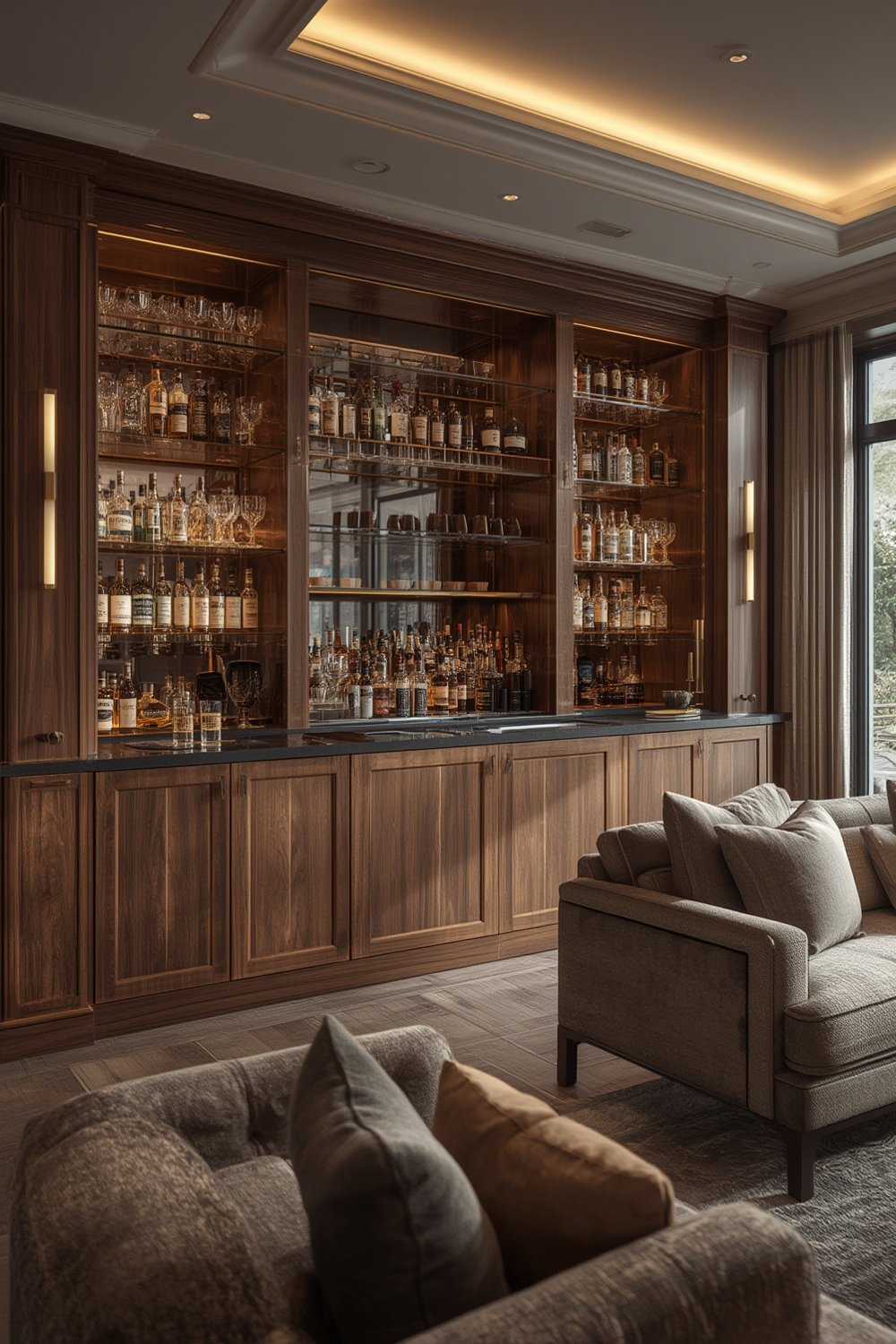
Why go built-in? Unlike bar carts or standalone units, a built-in delivers greater storage, a cleaner look, and often adds lasting home value. Homeowners are increasingly customizing built-in bars to include wine-specific racks, beverage fridges, lighting, and special shelving. Yet, the process is more involved—costs, code requirements, and design choices can make or break a project.
Smart planning at this stage prevents regrets later on. If maximizing space is your goal, you might also want to check out under stair storage built-ins as an inspiration for multipurpose cabinetry in tight nooks.
How to Plan and Build Your Home Bar Built-In (With Wine Storage)
Ready to tackle a home bar built-in? Here’s a realistic step-by-step plan to avoid costly mistakes and get the look and function you want—whether DIY or pro-installed.
- Set Your Budget and Style
- Stock dry bar cabinets (no plumbing): $150–$2,000—installable by ambitious DIYers.
- Semi-custom cabinets: $150–$650 per linear foot installed.
- Custom cabinets: $500–$1,200 per linear foot (solid wood can reach $2,000+).
- Want a wet bar? Basic installs (sink + cabinetry) start at $5,000 and can exceed $15,000.
- Luxury projects (premium cabinetry, display lighting, beverage centers) can hit $40,000+.
See exact pricing breakdowns here for your city and bar size.
- Choose Your Location and Layout
- Basement, dining, or living room walls work best for larger bars or wine racks.
- Mind headroom and wall depth—pre-made bar cabinets may not fit in some basements.
- For space-limited homes, see concealed storage cabinet tips for hidden or compact solutions.
- Plan Storage and Features
- Add custom shelves, slide-outs for bottles, stemware racks, or a built-in wine fridge.
- Lighting matters. Under-cabinet LED or glass shelf accent lighting boosts wow factor.
- Countertops: Quartz, granite, and stone are trending, but laminates still work for tight budgets.
- Read about tricks for integrating appliance garages in bar cabinets in our kitchen appliance garage guide.
- Decide DIY vs. Pro Build
- DIYers can tackle pre-made cabinets; expect $60–$600 per linear foot in materials—see sample material costs here.
- Custom installs typically need a carpenter, possibly plumber and electrician (especially with appliances).
- Budget 50% of your total for labor if hiring out.
- Handle Code, Electrical, and Safety
- Ensure GFCI outlets for wet bars or bar appliances—costs can be $150–$1,000 per fixture.
- Allow airflow around wine racks, especially for reds (cramped built-ins trap heat/humidity).
- Non-slip flooring is a must around wet bars for safety.
- If you’re integrating open shelving, see our floating shelf install guide for safety and hidden support techniques.
- Install Cabinets and Fixtures
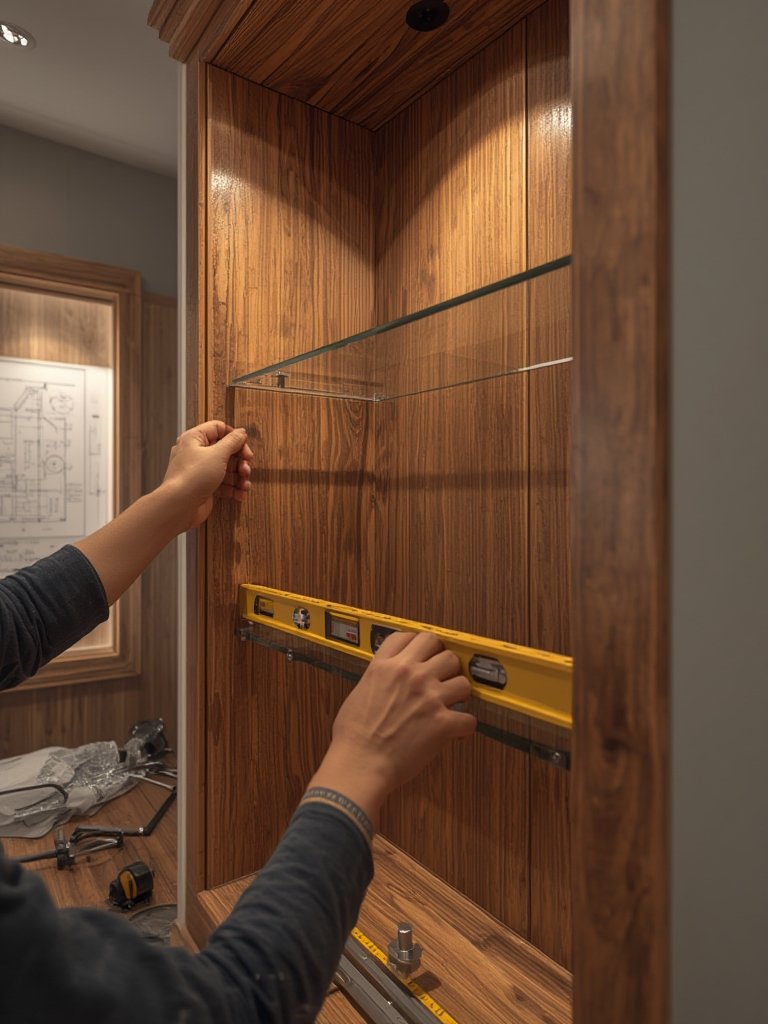
- Stock cabinets: Pre-assembled units screw into wall studs; full-length runs may need extra blocking or structural support for wine bottle weight.
- Custom: Dry fit all cabinetry before final install. Order extra end panels if using specialty wine storage units.
- Wine fridges and ice makers require dedicated electrical circuits—consult a licensed electrician for wiring and permits.
- Finish, Accessorize, and Celebrate
- Add organizing accessories: drawer dividers, glass racks, and label/tag holders for a functional setup. See closet organizer ideas that work well for bar cabinetry, too.
- Style with floating shelves, art, or a built-in wine display niche for visual interest.
- Test all lighting and appliance functions before your first hosting event. Drink responsibly!
Advanced Analysis: Costs, Pitfalls, and What Pros DON’T Tell You
Even the most gorgeous home bar built-in can become a headache if you ignore hidden downsides. Here’s what research and real homeowner experiences say you should watch out for:
| Feature / Step | Common Pitfall | Real-World Impact | How to Solve |
|---|---|---|---|
| Cabinet Sizing & Fit | Premade cabinets don’t fit alcoves or basements | Wasted money on returns or forced to pay for custom work | Measure wall and ceiling heights twice; consider modular or custom fit options |
| Wine Storage | Poor airflow, no humidity control | Wine turns bad faster; no support for aging or reds | Leave air gaps, use vented cabinetry, or integrate a dual-zone cooling wine fridge |
| Electrical/Plumbing | Underpowered circuits, complicated rerouting | Breakers trip, risk of code violations or failed inspections | Bring in a licensed electrician and plumber early; account for $150–$1,800 per fixture or drain |
| Organization | Lack of drawers or glassware racks; poor lighting | Clutter and frustration | Add adjustable shelving, undercabinet lighting, and glassware organizers designed for bar use |
| Cost Creep | Upgrading finishes & appliances mid-project | Budget overruns; unfinished projects | Choose all finishes and make allowances for splurges before you start |
- Stock cabinets look affordable, but hidden install fees (cutting, hardware, assembly) can quickly balloon.
- No competitor articles cover wine-specific climate control: Wine preservation requires airflow, stable temperature, and sometimes humidity—very few cabinet kits are built for this, so research specialized wine racks or fridges.
- Regions matter: Most pricing advice is based on Midwest or Southwest data. East and West Coast installs tend to be higher for both labor and permits, so localize your budget checks with sources like HomeAdvisor’s regional resources.
- Technical innovations like dual-zone cooling, modular shelving, and humidity settings are only found in premium beverage centers or fridges—not basic cabinet kits. If this matters, spend more for a full-featured wine fridge or beverage center.
- Electrical and plumbing work aren’t just add-ons—they’re required for safety and code. Always use licensed pros. See Angi’s bar install guide for exact permit and wiring guidelines.
- For more built-in project planning pitfalls (and solutions), see our post on planning a built-in storage cabinet.
Conclusion
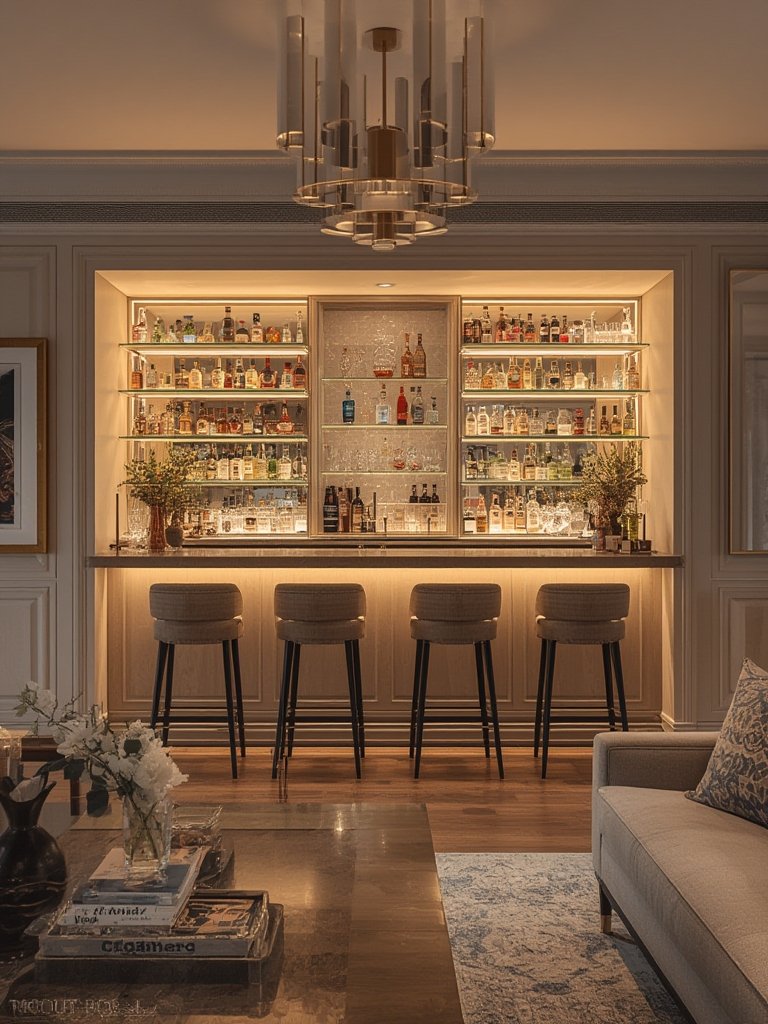
A home bar built-in can completely transform your living space if you’ve got realistic expectations about cost, design, and installation. Total project spend may run from under $1,000 for a basic cabinet dry bar to over $40,000 for a luxury build. Plan carefully, prioritize proper electrical and wine storage features, and never overlook code or safety—skipping these details can turn a dream bar into a regret. If you’re ready to start, get organized first with more ideas from our closet organizer systems guide, which also helps when planning home bar storage. Make your home bar built-in a value-adding success—and reach out with your plans if you want tailored advice!
Frequently Asked Questions
How much does a home bar built-in cost on average in 2024?
Most homeowners spend between $900 and $40,000 on a home bar built-in, with prefabricated dry bars coming in at the low end and luxury, fully custom wet bars at the top. The largest costs come from custom cabinetry, electrical, plumbing, and special features like beverage centers or wine fridges.
What are the key design mistakes to avoid with a built-in wine bar?
The biggest mistakes include poor wine storage airflow, lack of GFCI outlets for appliances, not allowing enough space for cabinets or fridge doors to open, and ignoring organization—drawers and racks are essential. Always plan lighting and electrical up front.
Can I DIY install a built-in bar with a wine rack?
Yes, if you choose stock or semi-custom cabinets and don’t require plumbing or complex wiring. But for built-in wine fridges, undercounter appliances, or integrated lighting, hire a licensed pro to ensure safety and code compliance.
Do built-in home bars really add home value?
Well-executed home bar built-ins in living or entertaining spaces can add resale value and broad appeal, especially with quality finishes. However, poor designs or installations that don’t fit the home style may not recoup their costs.
What are the latest innovations in home bar built-in design?
While most kits haven’t caught up, high-end home bars now feature dedicated beverage centers with dual-zone refrigeration, modular shelving, LED accent lighting, and even integrated AV/media units. For most projects, integrating a specialized beverage fridge or modular system offers the best blend of innovation and practicality.
—