

Bathroom floating vanity is changing how modern bathrooms look and work, combining clean lines with practical storage for both small and spacious spaces. Homeowners are installing floating vanities to save space, achieve a minimalist vibe, and maximize every inch underneath the cabinet.
Key Takeaways
- Floating vanities are the fastest-growing segment in bathroom design, driven by space-saving needs and contemporary appeal.
- Handle-less and modular wall-mounted vanities with matte finishes maximize storage and blend durability with understated luxury.
- Installation and proper moisture-resistant materials are critical for long-term performance in typical bathroom conditions.
- What Is a Bathroom Floating Vanity & Why Are They Trending?
- Step-by-Step Guide: Planning, Choosing, and Installing a Floating Vanity
- Advanced Analysis & Common Pitfalls (What Most Guides Miss)
- Conclusion
- FAQ
What Is a Bathroom Floating Vanity & Why Are They Trending?
A bathroom floating vanity is a wall-mounted cabinet that appears to “float” above the floor. Unlike traditional vanities, it doesn’t touch the ground, making bathrooms look more spacious. This open space also allows you to integrate under-cabinet lighting or modular storage bins for more organization.
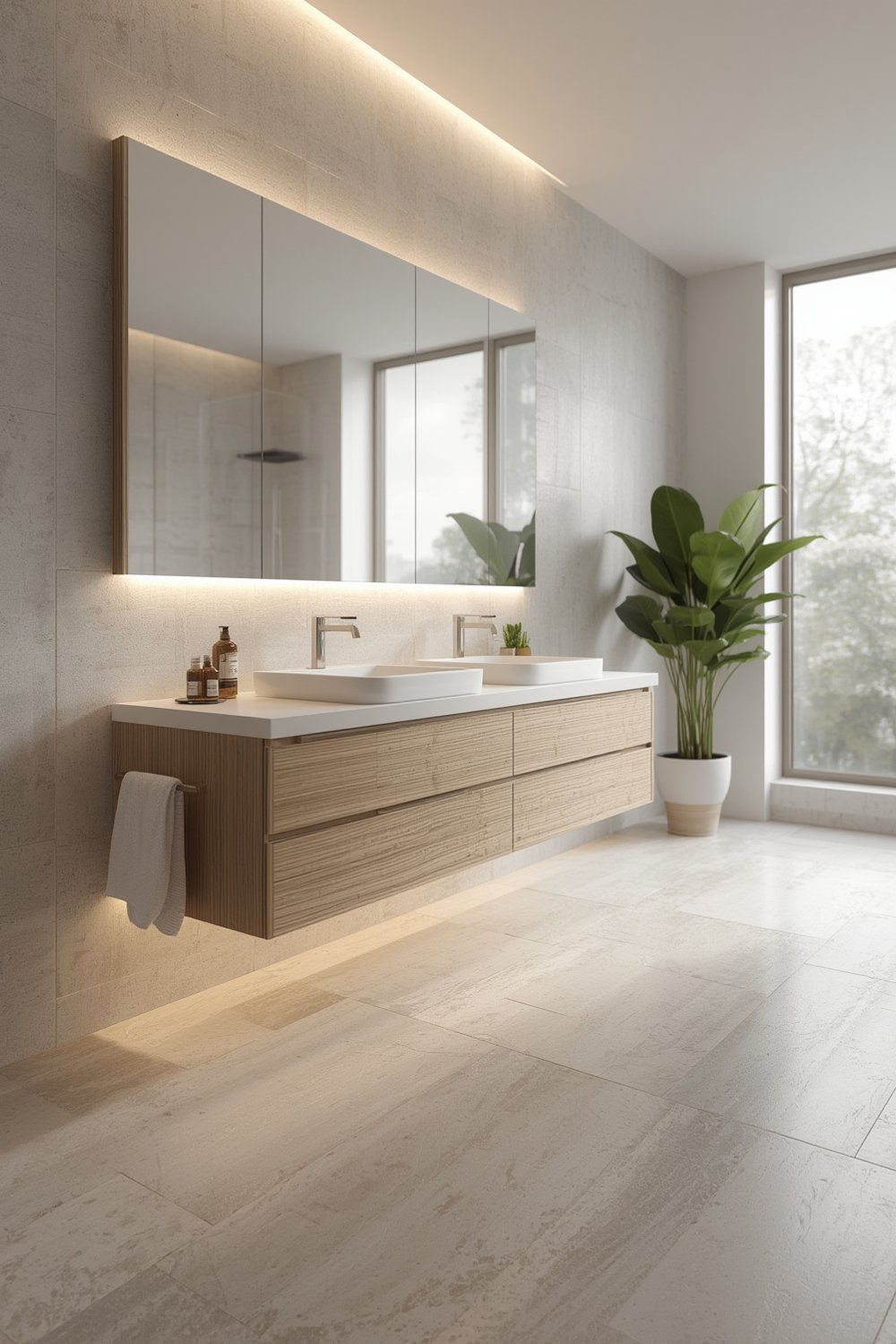
The global market for bathroom vanities is on track to hit US$ 50.6 billion by 2026. Floating vanities claim the highest growth rate, thanks to their ability to optimize tight bathrooms, especially in urban homes and upscale remodels. According to 2024 design trend reports, wall-mounted options now account for 12 percent of new installations, popular for their understated luxury, clean lines, and customizable storage.
Why choose floating vanity cabinets?
- Space optimization: No footprint on the floor, which is vital for small bathrooms.
- Modern styling: Sleek, handle-less fronts with matte finishes look high-end.
- Easy cleaning: The exposed floor makes cleaning easier and opens room for modular storage solutions.
If you’re looking for more ways to create modern, built-in looks in other rooms, check out in-depth resources like Best Closet Organizer Systems or clever under stair storage built-in ideas.
Step-by-Step Guide: Planning, Choosing, and Installing a Floating Vanity
Getting your bathroom floating vanity project right means blending solid planning and realistic expectations. This guide outlines practical steps for remodelers, DIYers, and anyone commissioning a pro install:
-
Measure Your Space & Layout:
- Carefully measure wall width, plumbing points, and height clearance.
- 24 to 35 inch wide vanities are fastest growers for compact bathrooms, providing enough counter and drawer storage without overwhelming the room size.
-
Select Materials for Moisture Resistance:
- Prioritize water-resistant materials like quartz, engineered stone, or waterproof MDF for the cabinet, since vanities endure daily humidity and water splashes (intelmarketresearch.com).
- Ceramic and reclaimed wood offer eco-friendly and classic options but always confirm the finish is sealed against moisture.
-
Choose Drawer and Storage Features:
- Pick modular interiors, soft-close drawers, and handle-less fronts when possible. These maximize usable space and fit current trends.
- Plan for plug-in features like integrated outlets or lighting if needed.
-
Prepare Wall for Mounting:
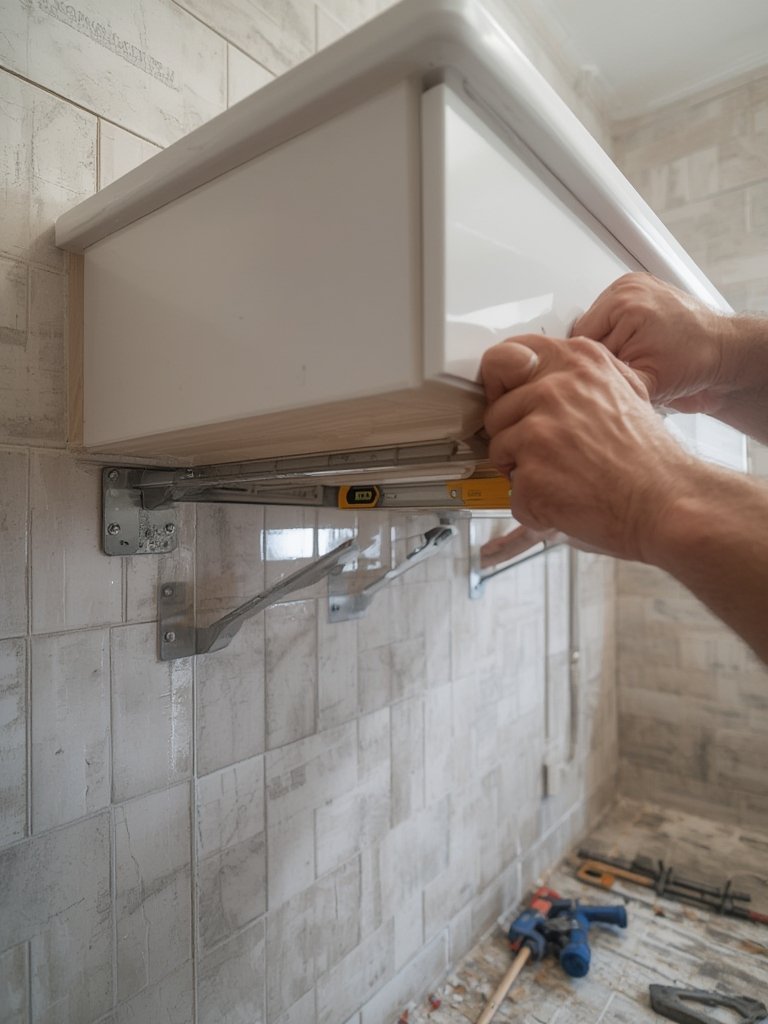
- Check wall type (stud, masonry, or drywall with backer) and verify structural support for the weight of your vanity plus typical contents. Heavy vanities may require blocking installed inside walls for extra support.
- Gather mounting hardware rated for the cabinet’s final weight load. If in doubt, consult your vanity manufacturer for recommended anchor types and spacing.
-
Install Vanity:
- Level the cabinet and anchor securely into wall studs or masonry as specified.
- Finish by installing the countertop and fixture plumbing, making sure to seal all exposed panel edges to prevent water damage.
-
Add Custom Storage:
- Take advantage of the open space beneath the vanity by adding under-vanity storage bins or baskets.
- For especially tricky layouts, modular storage systems (see modular shelving system guide) can be adapted for bathroom-specific needs like towels, hygiene products, or cleaning supplies.
For more inspiration on custom cabinetry in other rooms, review built-in home office storage projects or expert tips for designing mudroom built-ins with modular efficiency.
Advanced Analysis & Common Pitfalls (What Most Guides Miss)
Even experienced remodelers encounter challenges with floating bathroom vanities. Here’s what to watch out for, along with evidence-backed market realities and trade-offs:
-
Weight Capacity & Wall Strength:
- Most manufacturers do not publish specific weight limits or mounting hardware types. Overestimated weight or under-secured cabinets may cause detachment over time.
- Always reinforce walls where possible and never mount heavy vanities on plain drywall without blocking between studs.
-
Moisture Damage Risks:
- Even “water-resistant” MDF can swell or delaminate if cut edges are left unsealed. Stone and quartz resist moisture best, but wood veneer or composite needs careful installation and sealing.
- Aftermarket under-vanity storage bins can trap humidity. Choose vented baskets or add a small desiccant pouch to prevent mold buildup.
-
Storage Limitations:
- Wall-mounted vanities can offer less overall drawer space compared to traditional floor vanities. Maximize organization with internal dividers or by pairing with adjacent modular shelving (see concealed storage cabinet guide).
- Narrow and shallow drawers mean large or tall items (bulk cleaners, baskets) may need to be relocated elsewhere.
-
DIY vs. Prebuilt Cost Realities:
- While market data doesn’t give firm numbers, DIYers can save on labor but should budget for high-quality moisture-resistant materials, accurate wall blocking, and specialty hardware—especially if adding integrated power or lights.
- Prebuilt vanities offer better factory finishes and consistency but may cost more up front and require adaptation to your unique bathroom layout.
-
Material Trends & Longevity:
- Quartz is now the dominant surface, making up over 60 percent of premium installations for its look and water resistance (intelmarketresearch.com).
- Ceramic and eco-conscious choices like sealed reclaimed wood are rising as sustainable, low-maintenance options, but all materials are only as durable as their finish and the installation quality.
| Feature | Floating Vanity | Standard Floor Vanity |
|---|---|---|
| Storage Volume | Moderate (shallow drawers, open below) | High (deeper drawers, base cabinets) |
| Cleaning | Easy (floor visible/accessible) | Moderate (floor hidden, dust traps) |
| Installation Complexity | High (requires wall reinforcement) | Moderate (rests on floor, less wall load) |
| Visual Effect | Spacious, modern, floating | Traditional, grounded |
| Material Limits | Must be lightweight, moisture-proof | More flexibility for heavy stone/wood |
Consider these pitfalls and trade-offs carefully before deciding which vanity style fits your bathroom and your installation skills.
Conclusion
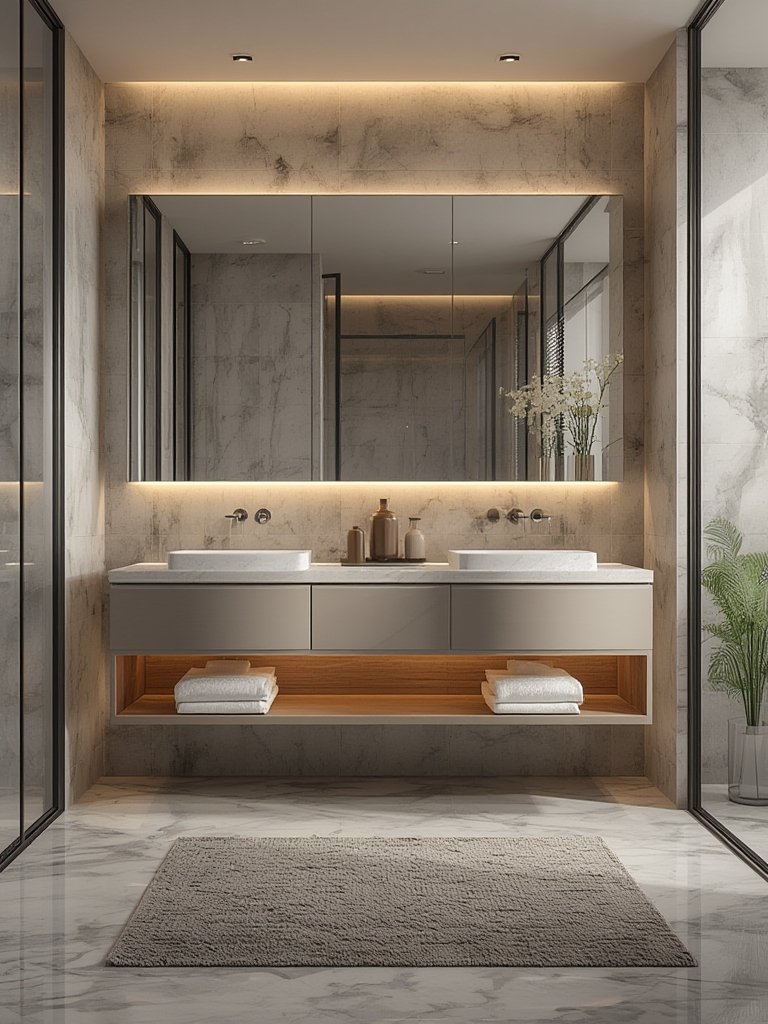
Floating vanities are transforming bathrooms by combining style, efficient storage, and easier maintenance. Whether you’re seeking space-saving solutions for a city condo or adding a touch of modern luxury to a remodel, there’s a reason bathroom floating vanity is now a must-have feature. Plan ahead, select moisture-resistant materials, and address storage limitations with modular solutions. Ready to update your space? Start planning your floating vanity project today, and maximize your bathroom’s function and beauty.
If you’re planning more custom storage, you might also enjoy expert guides on floating shelf bracket installation or designing a window seat with storage that complements your new bathroom look.
FAQ
What are the top benefits of a bathroom floating vanity?
Floating vanities make small bathrooms feel larger, simplify cleaning, and accommodate modern modular storage below the cabinet. They provide a clean-lined, contemporary appearance that suits many design themes.
Is a floating vanity harder to install than a floor vanity?
Yes, floating vanities require careful wall reinforcement and precise measurements, especially for heavy stone countertops or vessel sinks. DIYers should review wall structure and seek help for plumbing or electrical changes.
What materials last longest for a floating vanity?
Quartz and engineered stone are most durable and water-resistant. Waterproof MDF and well-sealed wood can last if edges and joints are carefully finished. Avoid unsealed wood or particle board in bathrooms.
Can I use under-vanity storage systems with a floating vanity?
Absolutely. The open space beneath a floating vanity is great for modular pull-out baskets or rolling bins designed for towels, cleaning supplies, or toiletries. Choose products that allow air circulation to avoid trapped moisture.
What is trending for floating vanity finishes in 2024–2026?
Handle-less fronts, matte black or neutral finishes, and minimalist, slim-profile edges are leading trends. Eco-friendly materials and modular storage add function and visual appeal.