

### Blog Post:
Staircase bookshelf designs are transforming homes by turning vertical space into functional, eye-catching storage. Whether you want more shelf room, need to solve a tricky layout, or dream of a jaw-dropping feature, this trend offers solutions—if you plan smart. Below, you’ll find the essential guide to what’s driving the trend, how to design and build your own, and what pitfalls to sidestep for success at home.
Key Takeaways
- Staircase bookshelf designs maximize storage without expanding your home’s footprint.
- Material choice, safety, and function matter as much as style for a successful installation.
- Plan carefully—hidden costs and code requirements can trip up even experienced DIYers.
- What Is a Staircase Bookshelf and Why Use One?
- Step-by-Step Guide: Planning and Building a Staircase Bookshelf
- Advanced Analysis & Common Pitfalls
- Conclusion
- FAQ
What Is a Staircase Bookshelf and Why Use One?
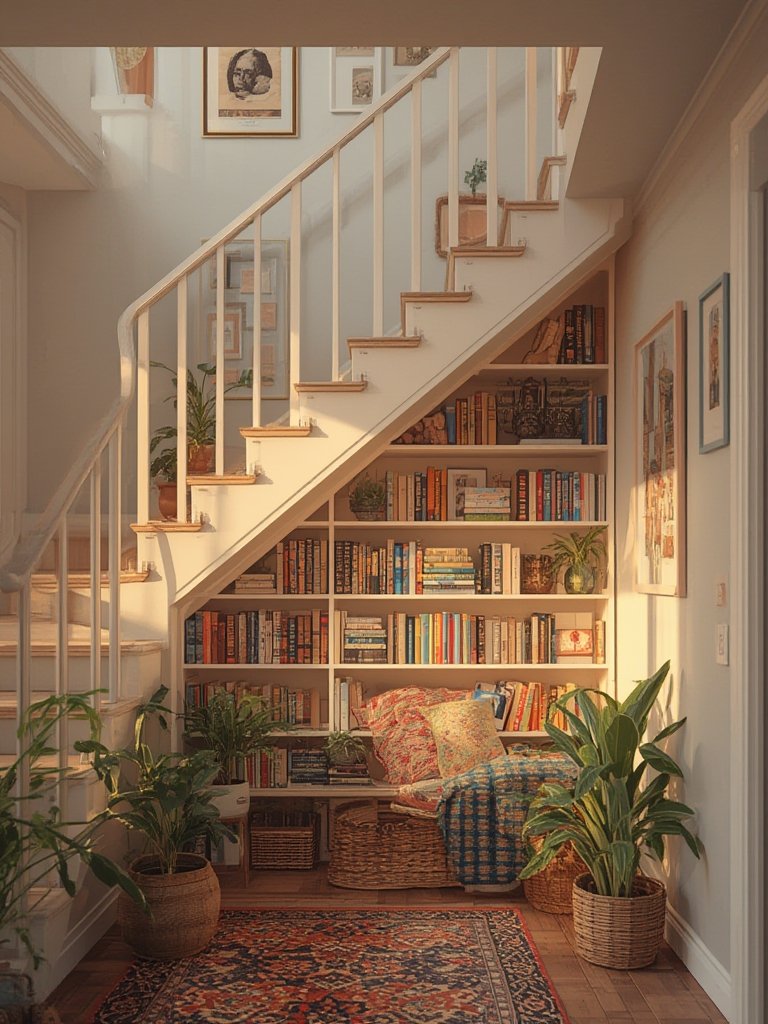
A staircase bookshelf is a hybrid solution that transforms your stairway into integrated shelving for books, décor, or everyday items. This creative approach maximizes underused vertical real estate and can add architectural interest to open-plan living. Designs range from simple shelves tucked beneath existing stairs to bold staircases where every riser and tread doubles as storage.
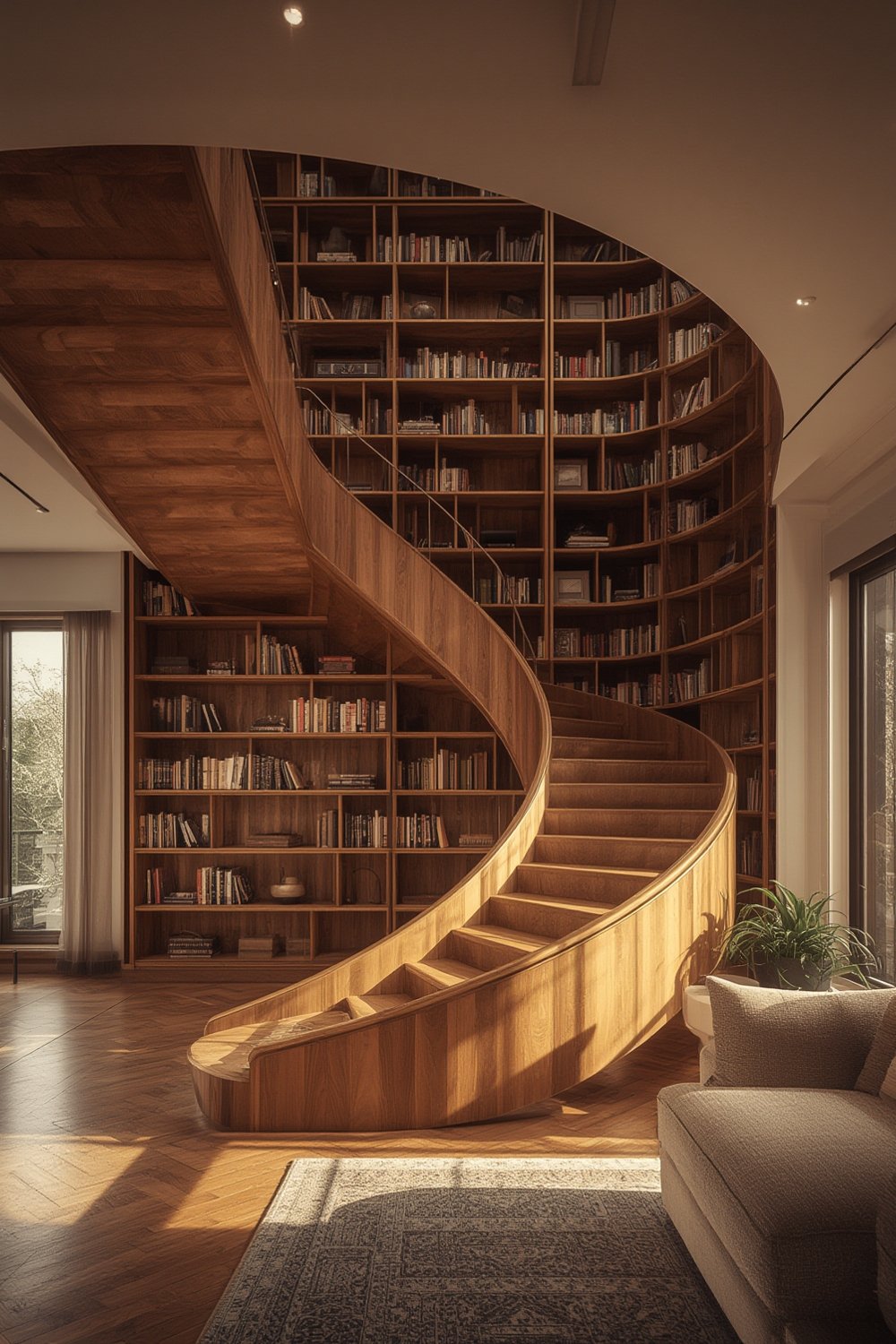
The appeal is clear: you boost storage in homes that lack spare square footage and create a show-stopping focal point. Recent trends show more designers using durable woods like oak, ash, and pine, as well as mixing materials such as wood and perforated metal for a modern look [source]. Indirect shelf lighting is gaining traction for mood and visibility [source].
Besides visual drama, staircase bookshelves suit multi-functional homes—think desks built into landings, hidden cabinets under steps, or whole libraries wrapped around the main stair [source]. For even more space-saving ideas, see our guide to under stair storage built-ins.
Step-by-Step Guide: Planning and Building a Staircase Bookshelf
Ready to tackle your own project? Here’s how to go from inspiration to installation—whether you do it yourself or hire a pro.
- Define Your Use-Case and Space: Measure the full height, width, and depth available. Do you need display shelves, deep cabinets, or just book storage? Consider traffic patterns so shelves won’t block pathways or make steps feel cramped.
- Select Materials: Most modern builds use hardwoods (oak, ash, timber, pine) or durable plywood for longevity. If going for a commercial or modern look, combine with metal [source]. Softwoods (like pine) are cost-effective but dent more easily.
- Plan Your Configuration: Are you wrapping bookshelves along an open stair wall, building stepped cubbies under the treads, or making the stairs themselves into alternating platforms? Sketch your idea and research similar installs for inspiration. For lateral solutions, consider features from closet organizer systems for hidden compartments and sliding doors.
- Add Storage Features: Want cabinet doors for a tidy look? Built-in lighting for display and safety? Integrated charging or hidden nooks (read about concealed storage cabinets)? Make decisions before building, as wiring and hinge prep must be done up front.
- Build or Hire: Experienced DIYers can use basic tools for simple shelves. For custom, load-bearing, or hybrid stair-shelf builds, consult a pro—especially where codes, weight loads, or unusual geometry are involved.
- Install: Place lower units first, checking for plumb and level. secure shelves into studs or joists with appropriate brackets. Never rely solely on drywall anchors. See our advice on hidden floating shelf brackets for a clean look that supports serious weight.
- Finish and Test: Use durable, easy-to-clean finishes. If using display lighting, test all wiring and install with safe cable management. Check every shelf for wobble before loading books.
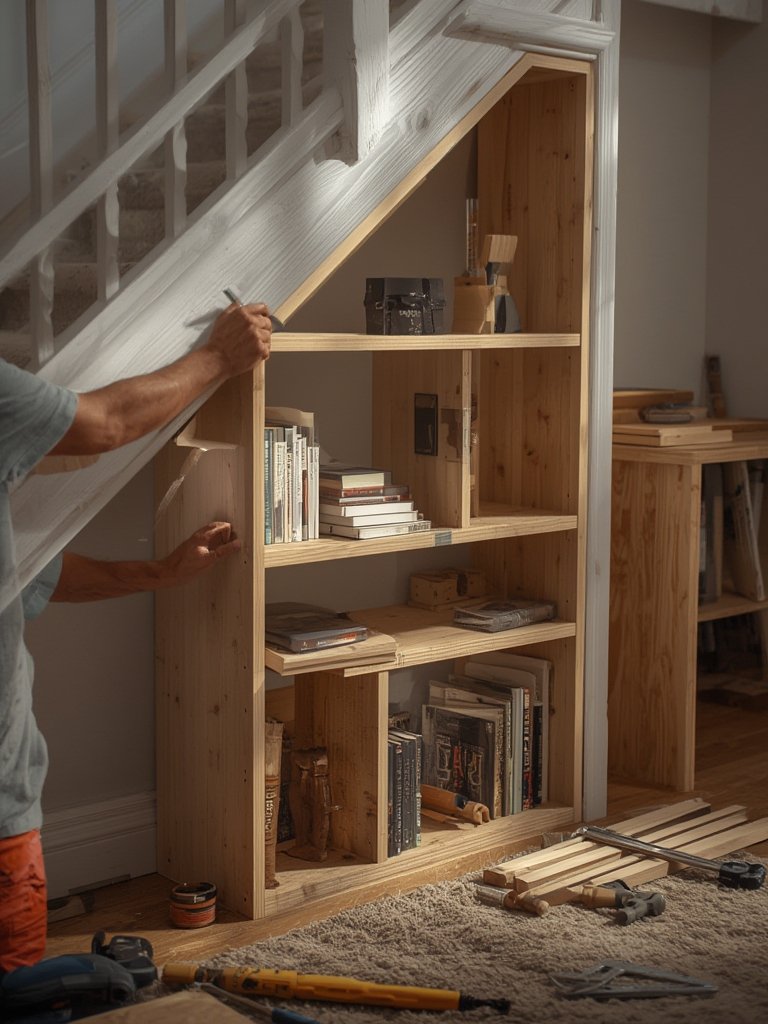
Building a staircase bookshelf is not just about materials—it’s about anticipating daily use. Account for dust (closed or inset shelving is easier to maintain), variable book heights, and if young kids or pets are in the house, plan for safety gates or deeper risers. Want more design tips? Don’t miss our advice on styling bookshelves for both beauty and practicality.
Advanced Analysis & Common Pitfalls
Despite the growing popularity of these projects, practical guidance on costs, codes, and maintenance remains hard to find. Here are the real-world issues homeowners and DIYers face—plus direct solutions:
| Pitfall | Description | Suggested Fix |
|---|---|---|
| Skipping Code or Permit Checks | Many ignore local codes regulating stair width, railing height, and shelving projections. | Consult your city’s building office before starting. For complex jobs, hire a pro familiar with staircase codes. |
| Wobble and Poor Fastening | Floating or wall-mounted shelves can sag or detach if not anchored into framing. | Use structural brackets, not just drywall anchors. See hidden bracket installation tips. |
| Ineffective Book Sizing | Too-shallow shelves lead to overhangs or wasted space; too deep, and you lose floor area. | For books, 10-12 inches deep is ideal. Measure your largest books before building. |
| Ignored Child Safety | Stepped shelves can encourage climbing or posing fall risks for kids. | Add railings, gates, or use closed-back shelving to prevent access. Review playroom safety tips here. |
| Lighting Mistakes | Neglecting lighting can make shelving dark and unsafe, especially in deep stairwells. | Install indirect LED strip lighting on each shelf for visibility and style [source]. |
| Difficult Cleaning & Durability Issues | High-traffic stairs show dust and scratches quickly; materials may wear unevenly. | Choose hard-wearing finishes. Plan shelves for easy wipe-downs. For more on longevity, consult our DIY built-in guide. |
When in doubt, overbuild for strength and test your installation with dummy loads before loading all your books.
Conclusion
Staircase bookshelf systems unlock space and style, but they’re only as good as your planning and execution. Invest time measuring, check codes, and choose hard-wearing, attractive materials. If you want your staircase bookshelf to last and impress, focus not just on looks but also everyday usability and safety. Ready to get started? Review our related storage guides and start planning your build today.
Want more inspiration? See our room-by-room guides to built-in shelving, under-stair storage, and space-maximizing solutions!
FAQ
What materials are best for a staircase bookshelf?
Hardwoods like oak, ash, and maple offer durability and strength for staircase bookshelves. Plywood is a good option for most DIYers due to its stability. Softwoods like pine are budget-friendly but dent more easily. For modern spaces, architectural designers sometimes mix wood with metal or glass for accents.
How deep should my shelves be?
For most books, 10-12 inches is ideal. Oversized art books may need shelves 14 inches deep. Always measure the largest item you plan to store before you build.
Is installing a staircase bookshelf safe for kids?
If you have children, plan for added safety: use railings, avoid open risers with steep shelf heights, and add gates if needed. Closed-back shelving helps prevent accidental climbing and falls. For more child-safety design tips, read our kids’ storage guide.
Do I need a permit or to follow building codes?
If your build affects the stairway structure, width, or egress—even just adding large shelves or changing railings—you must comply with your local building codes. Always check with the building department before altering existing stairs.
Can I add lighting to staircase bookshelves?
Yes. Integrated LED strip lighting or recessed puck lights are popular for both function and style. Plan wiring ahead of time, and look for solutions rated for enclosed or dusty areas. For a step-by-step on adding shelf lighting, see our related guides.
—