

### Blog Post:
When planning a vibrant, functional play space for your family, kids playroom storage solutions are often the single biggest factor in keeping the area organized and stress free. Whether you’re dealing with stuffed animals, building blocks, or creative supplies, finding effective ways to store and rotate toys isn’t just about aesthetics—it’s about making cleanup possible and playtime fun for everyone. With today’s smaller living spaces and increasingly creative products, it’s crucial to step beyond the basic toy box and design storage that can actually evolve with your needs.
Key Takeaways
- Smart kids playroom storage can double usable space, make cleanup faster, and allow your child’s interests to grow with the room.
- Options like modular shelving, multi-function furniture, and hidden storage help maximize small or awkward playrooms.
- Material and safety choices matter—always verify designs against reliable safety standards and choose durable, sustainable options when possible.
- The Core Concept: What Makes Kids Playroom Storage Different?
- Step-by-Step Guide: Building the Ultimate Kids Playroom Storage
- Advanced Analysis & Common Pitfalls
- Conclusion
- FAQ
The Core Concept: What Makes Kids Playroom Storage Different?
Kids playroom storage isn’t just about putting toys away—it’s about making spaces that children can happily and safely navigate, encouraging independence while giving parents peace of mind. Unlike adult storage solutions, every aspect must meet extra safety and durability standards, adapt as your child grows, and often fit in tight or awkward spaces. With the global kids storage furniture market now valued at $14.65 billion and booming with new innovations, parents have more options than ever before—but there’s also more to consider.
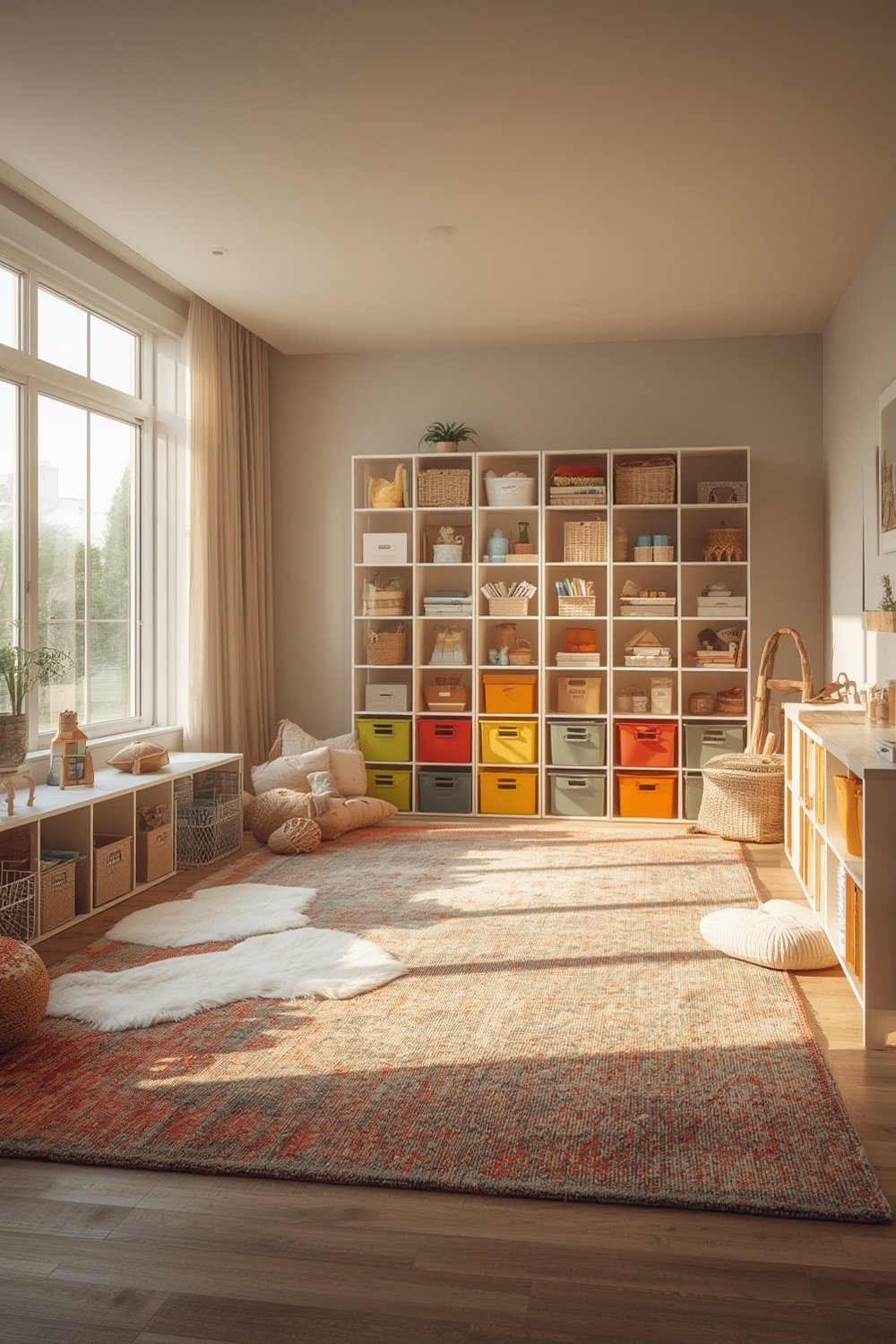
Designing the right storage means balancing:
- Space-saving furniture like cubby units and under-bench bins
- Flexible options including stackable or modular shelving systems
- Furniture that can withstand rough play, like heavy-duty plastic or thick, rounded wood
- Compliance with evolving safety requirements (as demanded in recent market research)
- Visual appeal, so the playroom feels fun—not just functional
As homes get smaller and toy collections get larger, the focus is shifting toward dual-purpose furniture, sustainable materials (think bamboo and recycled plastic), and digital labeling for even easier organization. Used correctly, a layered storage approach can also help you rotate items, reduce clutter, and turn even cramped, awkward rooms into creative playgrounds.
Step-by-Step Guide: Building the Ultimate Kids Playroom Storage
-
Assess Your Space and Challenges
Measure your playroom carefully, paying special attention to unused corners, under-windows, and wall height. Identify trouble spots where clutter tends to build up or where kids frequently trip. A notepad and tape measure are your best starting tools.
-
Involve Your Child—Yes, Really
Ask your child about their favorite activities and toys. Getting them involved can make organizing easier and ensures new storage fits their actual habits. Plus, if they help choose bins, hooks, or shelf colors, they’re more likely to use them.
-
Choose the Right Storage Solutions
- Consider modular shelving systems for flexibility. These allow you to adjust layouts as needs change and are especially useful in spaces that double as homework or craft corners.
- Use deep cubbies for plush animals and large toys, and shallow cubbies or drawers for art supplies, books, or small parts.
- Look for furniture with dual purposes: benches with storage, window seats with drawers, or a built-in storage bench for reading and cleanup in one.
-
Plan for Safety and Durability
Opt for rounded corners, smooth drawer slides, and anti-tip brackets when possible. Verify if units comply with CPSC or ASTM child safety standards. Wall-anchoring is essential—never skip this step.
-
Organize by Zones
Group storage by activity: books with a reading nook, blocks and puzzles near a play mat, crafts at a table with drawers and pegboard. This makes cleanup intuitive, especially for younger kids.
-
Label and Rotate
Use labeled bins (clip-on, Velcro, or digital apps) so kids know where everything goes. Store some toys in bins on a high shelf and rotate them monthly to refresh interest and limit clutter.
-
Maintenance and Evolve Over Time
Revisit the setup every few months: swap out bins, repair worn surfaces, and be ready to reconfigure storage as your child’s needs change (for example, shifting from large ride-on toys to art and STEM projects). DIYers can expand or modify as needed, while pro installs offer top durability for high-traffic homes.
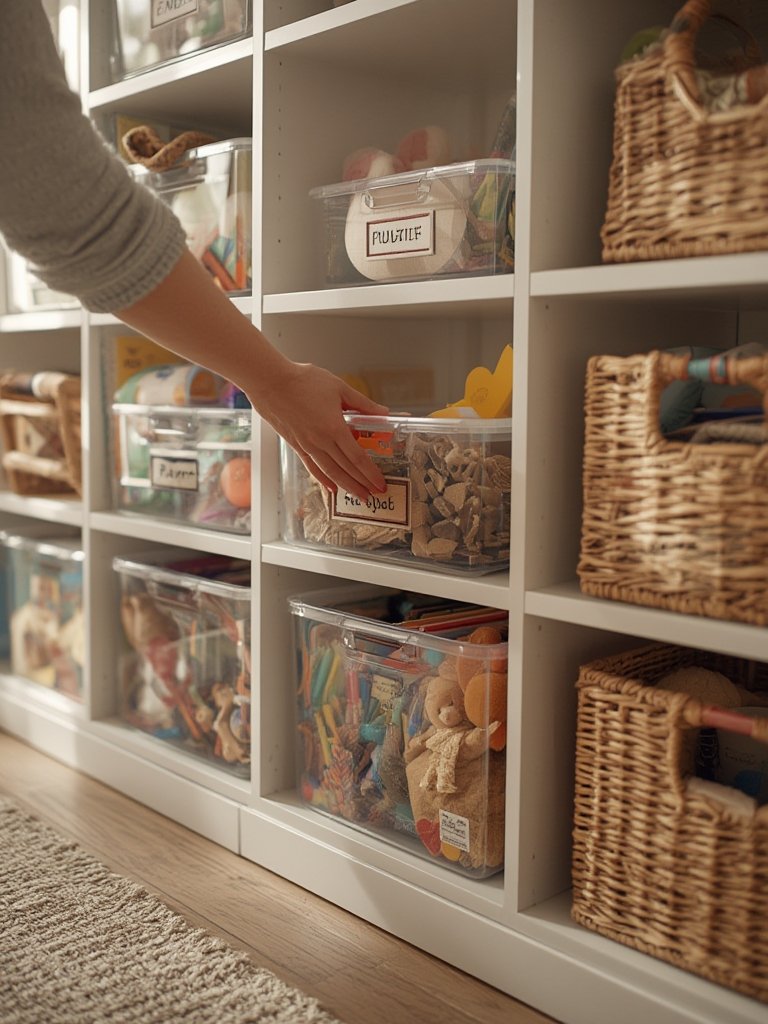
Looking to take your storage to the next level? Try pairing vertical shelving with a cozy built-in reading nook or create a homework alcove with custom shelving, like in a home office built-in—these strategies can be adapted for any age group or play style. For tricky corners, refer to corner shelf ideas to maximize every inch. Finally, a simple closet organizer system near the playroom can absorb overflow and seasonal toys without additional clutter.
Advanced Analysis & Common Pitfalls
No system is perfect—here’s what the research, reviews, and real families highlight as persistent challenges in kids playroom storage:
- Rapid Toy Accumulation: Storage can be outgrown quickly if you don’t anticipate future needs or leave room to expand.
- Cheap Materials & Durability: Many low-cost systems break under rough use or topple when overfilled. Durable materials like thick plywood, robust plastics, or bamboo can pay off long term. See industry market stats for providers using these materials.
- Lack of Safety Features: Older or imported products may lack anti-tip brackets or have sharp edges (noncompliance with key standards).
- Awkward Layouts: Trying to fit too many bins or shelving units can block windows, doors, or heating vents, creating tripping hazards and wasted space.
- Cost Overruns: Built-in storage is often worth the investment but can get expensive fast—especially if using custom designs or premium materials. Get quotes from both DIY and professional installers and compare up-front.
- Maintenance: Open bins can collect dust and get messy fast, while deep closed bins risk hiding (and losing) favorite toys.
| Feature | DIY Storage | Professional Installation |
|---|---|---|
| Initial Cost | Lower (materials only) | Higher (labor & materials) |
| Customization | Full (if skilled) | Complete (professional) |
| Durability | Depends on skill/material | Consistently high |
| Maintenance | DIY repairs | Pro-supported |
| Time Required | Moderate to high | Low (turnkey) |
For rooms with seriously awkward layouts—think slanted ceilings or no built-in closets—creative solutions like under stair built-ins, modular units, or even recessed wall shelving can free up tons of extra space and keep things organized year round.
Conclusion
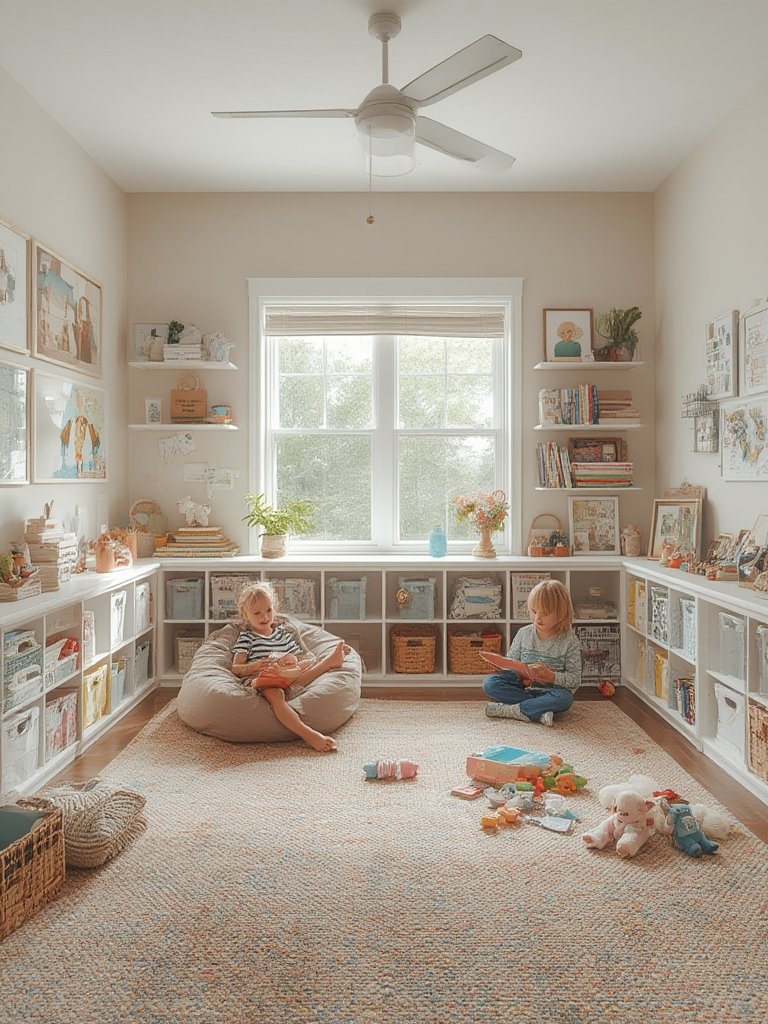
Above all, thoughtful planning and the right tools can transform chaos into creativity. By investing in the right kids playroom storage—from modular shelves to built-in storage bench, all properly safety anchored—you’ll make cleaning up easy, maximize available square footage, and create a joyful, inviting play environment. Ready to upgrade your own playroom? Start today and see how the right storage can completely change your child’s space and habits!
FAQ
What is the safest type of kids playroom storage?
Look for storage that’s wall-anchored, made with non-toxic finishes, and has rounded edges. Verify compliance with CPSC or ASTM standards for children’s furniture to minimize tip and ingestion risks.
How do I keep the playroom organized long-term?
Group toys by type and store in labeled bins. Rotate stored toys each month to limit clutter and keep interest high. Revisit and reconfigure zones as your child grows.
Should I choose open shelving or closed bins?
Open shelving makes it easy for kids to access and put away toys, but can get messy quickly. Closed bins keep clutter out of sight but may hide favorite toys. A mix of both, customized to your family’s habits, works best.
Are modular storage systems worth the cost?
If your needs change often or you plan to move, modular systems offer great flexibility and can save money over time. Read our modular shelving guide for practical pros and cons.
What should I avoid when designing kids playroom storage?
Avoid non-anchored tall furniture, sharp hardware, and plastic with BPA or phthalates. Try not to overcrowd the room—leave floor space for play and clear paths to doors and windows.
—