

### Blog Post:
Home library built-in shelves are the ultimate custom upgrade for book lovers wanting floor-to-ceiling style, storage, and sophistication in any room. These shelves turn blank walls into organized libraries, add real home value, and, with the addition of a rolling ladder, bring that classic library experience right into your house. But there’s more to getting it right than just picking out wood and hoping for the best.
Key Takeaways
- Expect to invest $6,000+ for a floor-to-ceiling home library built-in with a rolling ladder (costs vary by material, region, and design).
- Common pitfalls include underestimating load requirements, neglecting shelf depth, and overlooking lighting and accessibility.
- Material choice (MDF, plywood, solid wood, metal) directly impacts durability, maintenance, and the overall library aesthetic.
- The Core Concept: What Makes Home Library Built-In Shelves Special?
- Step-by-Step Guide: Plan, Build, and Perfect Your Home Library Built-In Shelves
- Advanced Analysis & Common Pitfalls
- Conclusion
- FAQ: Home Library Built-In Shelves
The Core Concept: What Makes Home Library Built-In Shelves Special?
Home library built-in shelves transform empty walls or unused rooms into immersive, floor-to-ceiling book havens. Unlike store-bought bookcases, these are designed exactly for your space—custom widths, variable shelf heights for every collection, and the option to build right up to the ceiling for maximum storage. A rolling library ladder isn’t just an old-school touch: it unlocks hard-to-reach shelves and delivers the wow factor no freestanding unit can match.
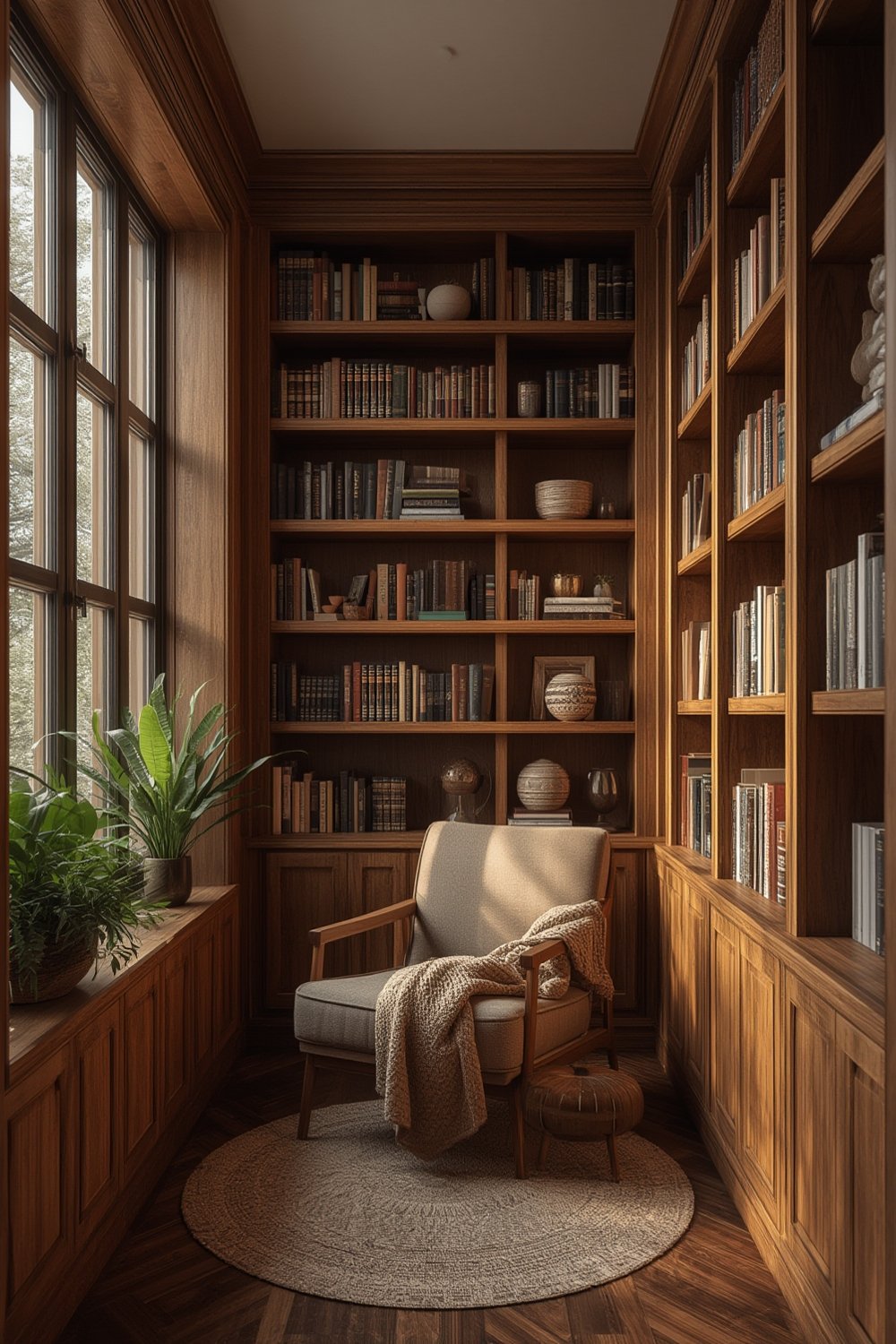
Why invest? For most, built-in shelves with a ladder are the highest standard of both function and aesthetics. With professional-grade anchoring, deep shelves, and tailored styling—from cozy, painted alcove shelves to grand, dark academia walls—the results are both beautiful and built to last. Return on investment (ROI) is strong for well-crafted units, boosting both everyday enjoyment and resale value.
Step-by-Step Guide: Plan, Build, and Perfect Your Home Library Built-In Shelves
If you want home library built-in shelves that will last—and delight—follow these proven steps:
-
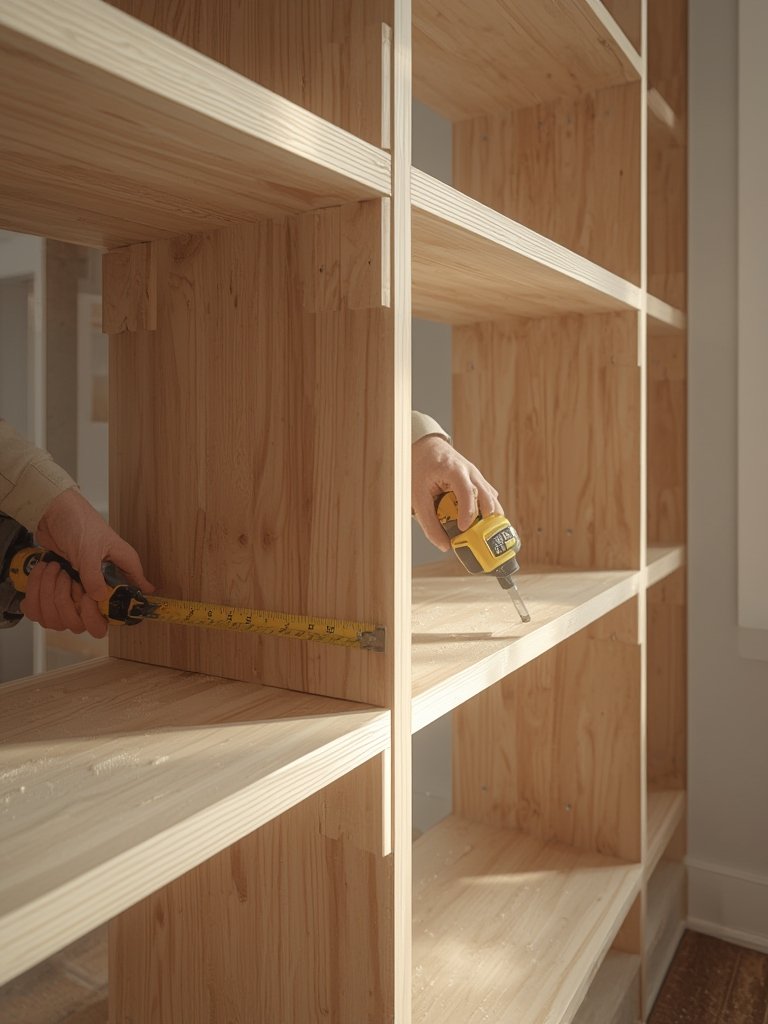
Measure Your Space
Carefully measure wall width (10-15 feet suits most feature walls) and ceiling height (8-10 feet is standard). Identify any natural breaks—like doorways or windows—to guide shelving layout. -
Set a Realistic Budget
Floor-to-ceiling built-ins with a ladder typically range from $6,000 to $8,000+ for custom jobs (Angi). Expect higher rates—20% to 40% more—in dense urban areas like New York or California. -
Pick Materials for Style and Durability
MDF and plywood suit painted, budget-friendly looks, while solid wood or metal gives higher-end, “dark academia” vibes. Each comes with unique costs and maintenance (HomeAdvisor). -
Design Shelves & Ladder Access
Standard shelf depth is 10-12 inches—big enough for large books without sticking out too far. Adjust shelf spacing for tall books and décor. Plan unobstructed ladder glide (especially around plugs or HVAC vents). -
Assess Wall Structure & Anchoring
Floor-to-ceiling units need secure anchoring to wall studs across multiple points. For heavy woods/metal, verify wall load capacity to avoid bowing or collapse. -
Plan Lighting—Don’t Add It Last-Minute
Integrate dimmable lighting or LED strip illumination above/behind the shelves. This prevents harsh shadows and gives the shelves a dramatic library effect. -
Order Components or Lumber
Decide if you’ll use pre-made units ($150–$300/linear foot) or go fully custom ($400–$1,200/linear foot). Add rolling ladder components; these cost $700+ alone. -
Professional Installation
Complex library walls and ladders need experienced carpenters ($70–$150/hour for labor) for lasting, safe results. DIY is possible, but mistakes are costly—especially on tall units or with integrated lighting. -
Finishing Touches
Paint, stain, or seal shelves and trim. Polish all hardware, smooth rails for ladder, and test safety before loading books.
- For deep-dive shelving design and DIY tips, check out our DIY Built-In Bookcase Plans guide.
- Working with an awkward alcove? See creative solutions in Under Stair Storage Built-In for niche spaces.
- Need inspiration for a more modular or movable option? Explore Modular Shelving System tips for flexible layouts.
Advanced Analysis & Common Pitfalls
Even professionally designed home library built-in shelves come with hidden challenges. Awareness of these issues will save you money, hassle, and disappointment.
| Problem Area | Risk | How to Avoid |
|---|---|---|
| Structural Issues | Poor anchoring can cause bowing, collapse, or even wall damage—especially for heavy woods or floor-to-ceiling installs (Angi). | Contract professionals to check load bearing and anchor every shelf run into studs at multiple points. |
| Shelf Depth Problems | Prefab shelves may be too shallow/too deep for your books, resulting in wasted or inaccessible space. | Customize shelf depths; 10–12 inches works for most, but measure your largest books first (HomeAdvisor). |
| Ladder Safety | Improperly secured rolling ladders can tip, jam, or injure—especially with kids. | Have ladders installed by carpenters; install safety stops and test before use. |
| Lighting Access | Poorly placed lighting creates shadows and makes reading awkward. | Pre-wire before adding shelves; use angled or recessed lighting for even results. |
| High Repair Costs | Replacing or repairing shelves runs $75–$300 per shelf or $1,200+ for custom units. Repairs can exceed the cost of new installation. | Invest in quality now—skimping on materials or installation costs more down the line. |
| DIY Overreach | Complex library walls are easy to get wrong—crooked installs, unanchored units, poor miters, and unsafe ladders. | DIY only if you have advanced carpentry skills. For most, professional installation is worth every dollar. |
| Underutilized Small Spaces | Unconventional spaces (alcoves, corners) may not maximize storage without custom solutions. | Corner units or floating shelves suit compact rooms (I Like To Make Stuff). |
Cost-conscious homeowners should also look at solid maintenance plans. MDF shelving, if not properly sealed or painted, will swell if exposed to moisture. Solid wood shelves may need refinishing every few years to keep their premium look. Metal shelves are supremely durable, but may not fit every design vision—and require rust resistance. For more ideas on built-in storage, see Built-In Entertainment Center.
Conclusion
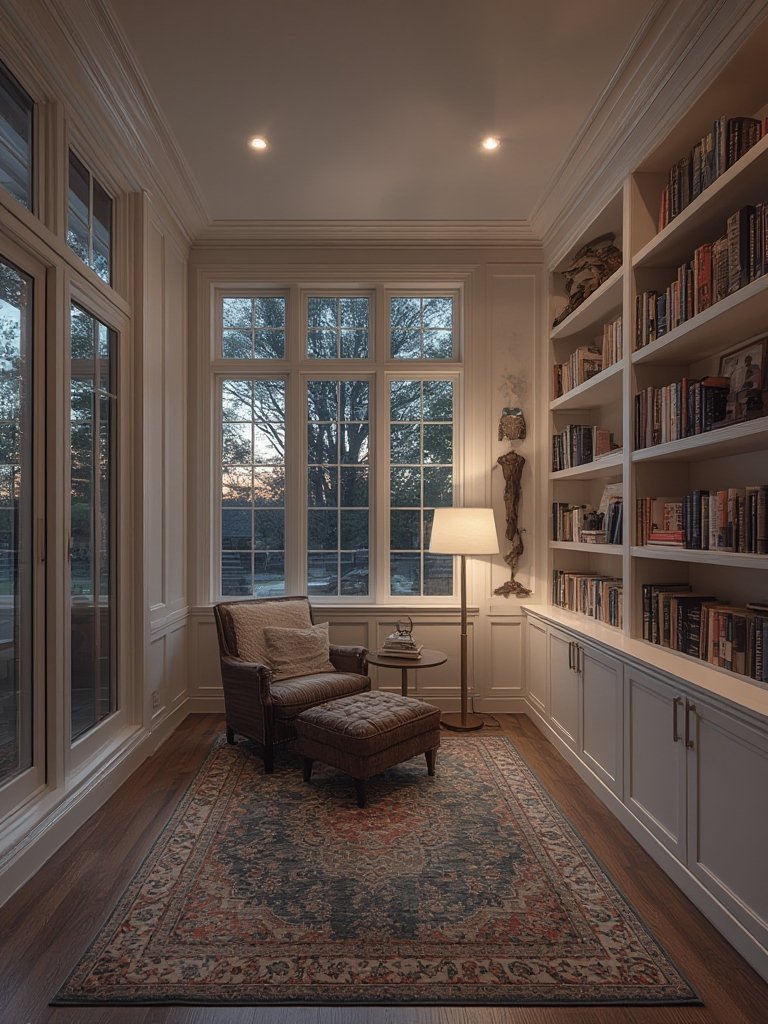
When done right, home library built-in shelves add lasting value, enormous storage, and a touch of real luxury to your space. The most successful projects start with robust wall anchoring, careful shelf planning, and material choices that match both your aesthetic and your lifestyle. Resist the urge to cut corners or skip steps, especially with lighting and ladder safety—these details make or break the final result. Ready to start? For more shelving inspiration, check out Bookshelf Wealth: 7 Amazing Ways to Build Authentic Shelves or explore smart concealed storage options in Concealed Storage Cabinet: 7 Amazing Ways.
Start planning your own home library built-in shelves today—your books deserve a worthy home.
FAQ: Home Library Built-In Shelves
How much do home library built-in shelves with a rolling ladder actually cost in 2024?
On average, expect to pay $6,000 for floor-to-ceiling built-ins with a ladder, ranging from $1,399–$8,000+ depending on materials, size, and your location. Custom units and premium woods increase costs. (Angi)
Can I build library built-ins myself or should I hire a professional?
Simple built-ins are a viable DIY project for experienced carpenters, but floor-to-ceiling units or anything involving a rolling ladder is best left to pros due to complex anchoring and safety needs.
What’s the best material for long-lasting, beautiful home library shelves?
Solid wood offers unmatched strength and a lavish look for dark academia or classic homes but requires maintenance. MDF is budget-friendly and easy to paint but less authentic. Metal is ultra-durable, but less cozy. Always match the material to your usage, style, and budget.
How deep should my shelves be for a true library wall?
A standard depth of 10–12 inches fits most books well, but measure your largest volumes or décor and adjust accordingly. For oversize art or reference books, consider deeper custom shelves.
Are built-in shelves a good investment for resale value?
Quality built-in library shelves (especially floor-to-ceiling with a ladder) increase both everyday function and home value, making them a worthwhile investment for most buyers who love books and style.