

Garage wall shelving units are the backbone of organized garages in 2024, offering a practical way to reclaim valuable space, store heavy items, and customize your setup for everything from sports gear to tools. Whether you’re a DIYer or looking to invest in a heavy-duty system, the right approach can transform even the most cluttered garage into a streamlined, safe, and accessible area. But choosing the best shelving system and installing it the right way isn’t always as straightforward as it looks.
Key Takeaways
- Garage wall shelving units are experiencing rapid market growth, especially modular and wall-mounted designs tailored for both residential and workshop use.
- Heavy-duty systems offer superior space utilization but present real challenges around installation, mounting strength, and potential safety risks if not handled correctly.
- Innovative, adjustable, and customizable garage shelving options now make it easier to maximize vertical storage—yet careful planning is crucial for safety and effectiveness.
- What Are Garage Wall Shelving Units (and Why Do You Need One)?
- How to Install Garage Wall Shelving Units: Step-by-Step
- Advanced Analysis and Common Pitfalls
- Conclusion
- FAQ
What Are Garage Wall Shelving Units (and Why Do You Need One)?
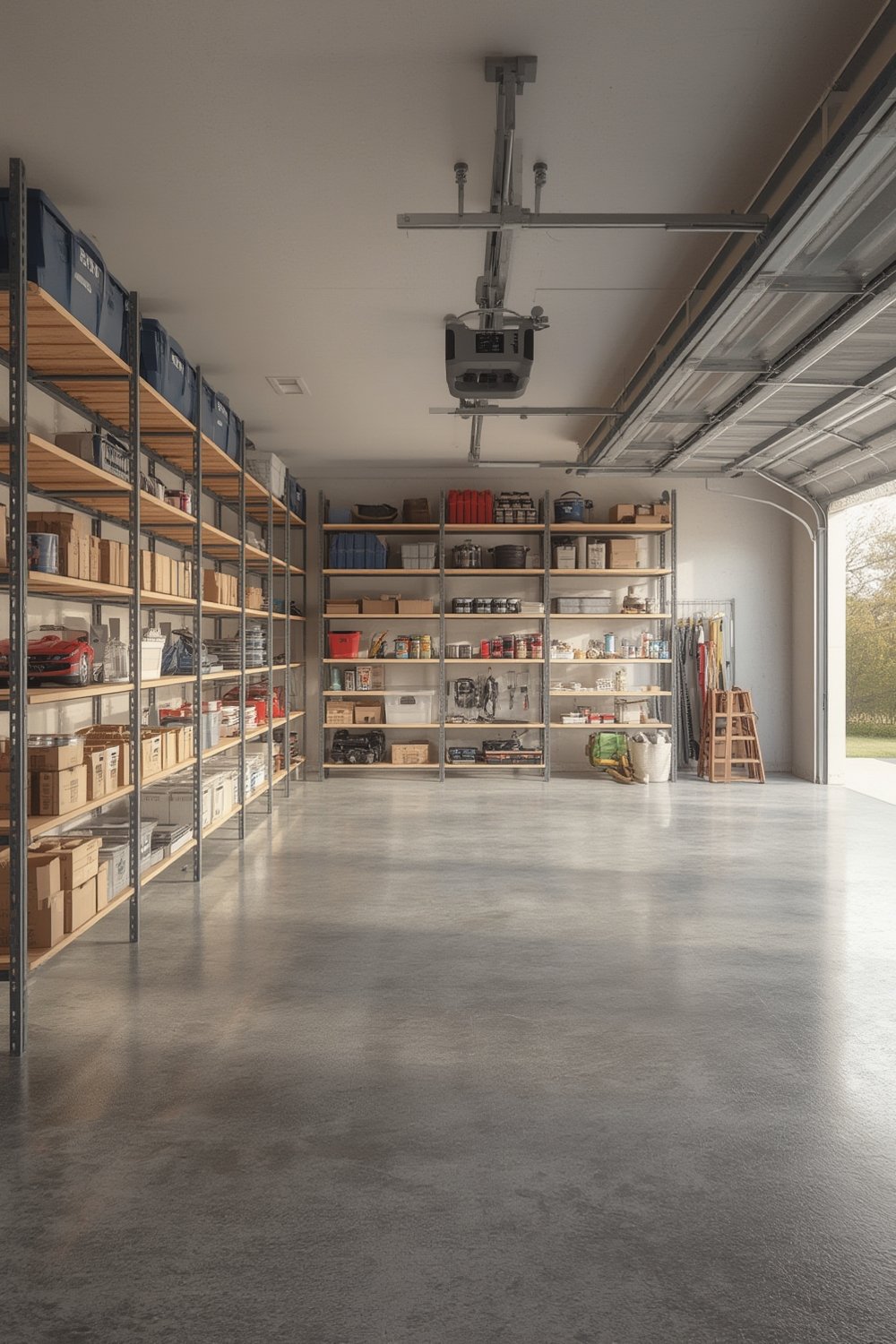
Garage wall shelving units are modular or fixed shelves mounted directly onto garage walls. Instead of taking up floor space, they use vertical storage to keep tools, household goods, or seasonal gear visible and off the ground.
Interest in wall-mounted shelving has exploded since 2020, with global garage storage market sales exceeding $25 billion in 2024 and projected to climb further as trends in organized living and DIY installation accelerate (source). Brands like Gladiator, ClosetMaid, and Rubbermaid offer configurations to fit everything from a narrow 1-car garage to expansive workshops (source).
With multi-car garages, increased recreational vehicle ownership, and a surge of home-based work and hobbies, the practical demand for reliable shelving solutions is only growing (source). Steel shelving leads the market for strength, with wood and plastic appealing for custom appearance or budget-friendly needs. Modern shelving is not just about storage—it’s about reclaiming floor space, preventing trip hazards, and turning the garage into a true extension of your home.
How to Install Garage Wall Shelving Units: Step-by-Step
Ready to boost your storage capacity? Here’s an actionable step-by-step for choosing, planning, and installing garage wall shelving units that blend strength, flexibility, and space-saving design:
-
Assess Your Garage Walls and Needs
Measure the available wall space. Identify what you’ll store (heaviest item weight, total load, bulky gear versus small tools). Inspect wall type (drywall, block, or studs) to determine proper mounting hardware. -
Choose Your Material and System Type
Steel Wall-Mounted shelves excel at heavy-duty storage but cost more. Wood offers a custom look, and plastic is affordable for lighter loads. Modular wall track systems are great for adjustability—a key factor highlighted in our detailed garage shelving guide. -
Locate Studs or Appropriate Anchoring Points
Use a Locate Studs finder to pinpoint studs behind drywall. Shelves holding over 60 pounds should always anchor directly to studs—not just drywall anchors. -
Mark and Drill Pilot Holes
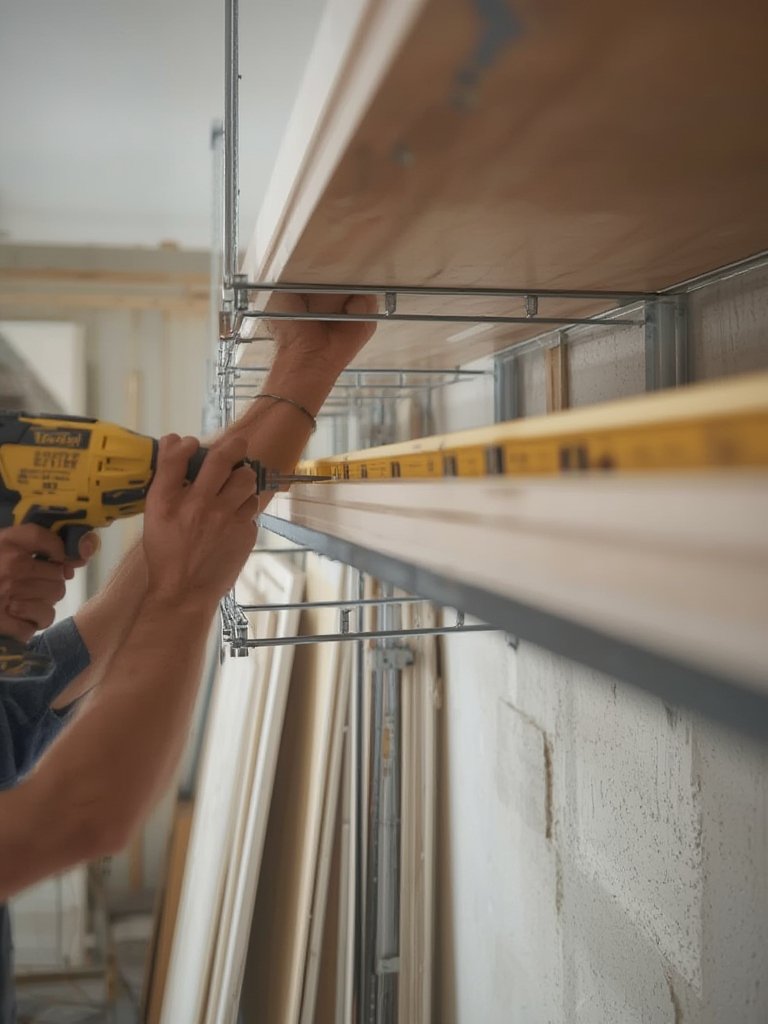
Hold up the shelf bracket or wall track and mark pilot holes with a pencil, confirming level alignment. Pre-drill holes to prevent wood splitting and make screw insertion easier. -
Secure Mounting Hardware
Use appropriate lag bolts, masonry screws, or heavy-duty anchors based on wall construction and unit requirements. Always follow manufacturer guidance, especially for steel and modular systems. -
Assemble and Hang Shelves
Attach brackets or rails to the wall, then install shelves per instructions. Double-check for secure mounting. Test with moderate weight before fully loading. -
Organize and Distribute Weight Evenly
Place heavier items closest to wall supports and avoid overloading any individual shelf beyond its rated capacity (market research points out steel and modular for heavier gear).
If you need fine control or want to match your home’s aesthetic, consider customizable modular units—like those featured in our modular shelving system guide. For unique overhead needs, ceiling-mounted racks paired with wall brackets can nearly double your storage area.
Looking for shelving systems that integrate with closet or mudroom spaces? See solutions in our closet organizer systems roundup and mudroom built-ins guide.
Advanced Analysis and Common Pitfalls
Installing garage wall shelving units is a significant improvement—but also presents some very real challenges. Here’s what research and real-world experience show about where these systems can go wrong (and how to avoid trouble):
Common Pitfalls
- Incorrect Mounting: The most frequent problem is failing to anchor shelves directly to wall studs or appropriate masonry. Anchoring solely to drywall dramatically weakens load capacity and is a known cause of shelf failure.
- Overloading: Not verifying the load limit of your wall shelving unit risks dangerous collapses. Product listings often lack clear metrics—when in doubt, err on the side of caution and consult the brand (Gladiator, ClosetMaid, Rubbermaid are strong for heavy items).
- Poor Weight Distribution: Loading all your heavy gear on one far end increases mounting stress—spread it evenly across supported areas.
- Ignoring Wall Structure: Brick, block, drywall, and unfinished stud walls all require different anchoring hardware. Mistakes here make even premium shelves unsafe.
- Lack of Ongoing Inspection and Maintenance: Vibration from heavy garage doors, temperature swings, and the weight of stored items can loosen mounting over time. Set a recurring reminder to visually inspect anchors and tightness every few months.
Comparison Table: Types of Garage Wall Shelving Units
| Type | Strength | Cost | Installation Difficulty | Best For |
|---|---|---|---|---|
| Steel Wall-Mounted | Very High | High | Moderate/Difficult | Heavy tools, workshops |
| Wood Wall Shelving | Medium | Medium/High (custom options) | Moderate/Custom | General storage, home garage style |
| Plastic Shelves | Low/Medium | Low | Easy | Light gear, rental properties |
| Modular Track Systems | High (if anchored well) | Medium/High | Moderate | Flexibility, maximizing wall area |
Brands with the Best Reputation
- Gladiator is reliable for metal wall shelves and modular racks—ideal for heavy-duty use.
- Rubbermaid excels for easy-to-install configurations and a good selection of adjustable wall systems.
- ClosetMaid balances budget-friendliness with strong performance for lighter or midweight storage.
However, independent lab safety data or long-term testing results are generally not available—even among leading brands (see more).
Innovative Trends & Ideas
- Adjustable vertical shelf tracks let you reconfigure as your storage needs change. Many now feature attractive powder-coated or faux-wood finishes.
- Smart modular designs combine open shelving, shallow cabinets, and integrated pegboard sections for hybrid organization (see concealed storage ideas).
- Recycled or eco-friendly shelving materials are increasingly available for sustainability-minded homeowners.
Conclusion
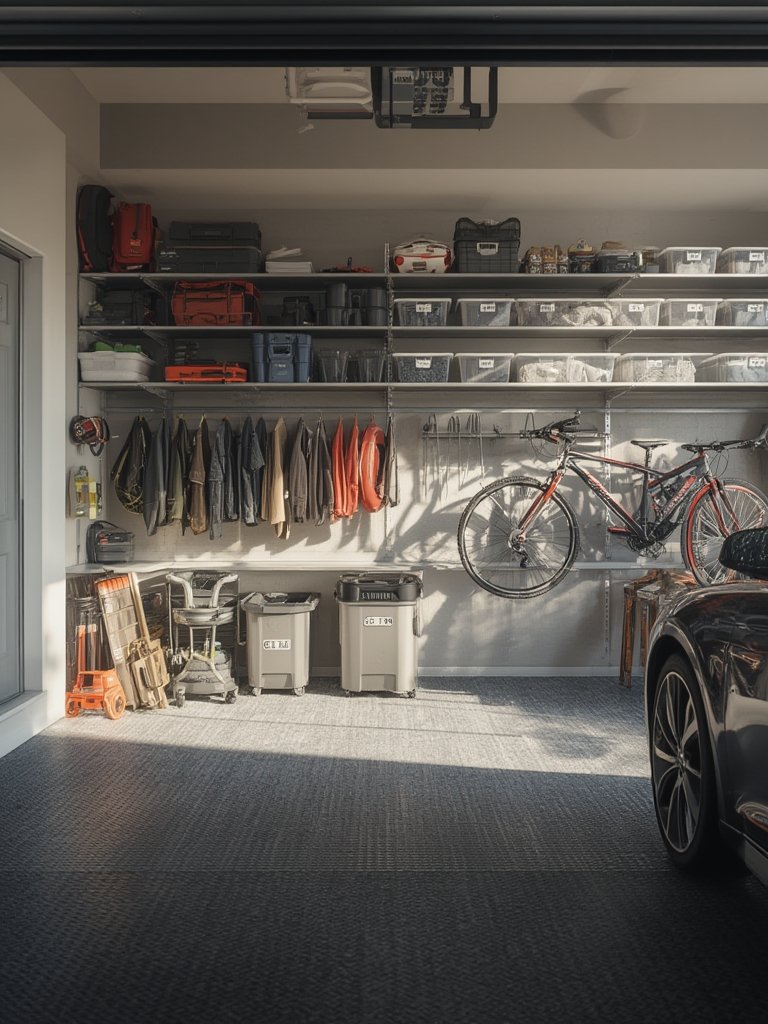
Upgrading with garage wall shelving units delivers a cleaner, safer, and more efficient garage. Choosing the right system means balancing material strength, cost, and ease of installation—then mounting carefully for long-term durability. Don’t overload, skip the studs, or chase cheap hardware. Instead, invest in a robust shelving setup and revisit your organizational approach as needs change.
If you’re ready to transform your garage, start your search for garage wall shelving units that fit your space and storage goals today. For more ideas and specifics on installation, visit our expert garage shelving guide or explore related solutions in our under stair storage guide.
FAQ
How much weight can garage wall shelving units safely hold?
It depends on both the mount and material. Steel wall shelves anchored to studs typically hold 200-300 pounds per shelf, while wood and plastic systems are best for 50-100 pounds unless reinforced. Always check manufacturer recommendations and anchor into studs or masonry for heavy loads.
Can I install garage wall shelving units by myself?
Yes, most modular and even many heavy-duty wall shelving units can be installed solo with the right tools—stud finder, level, and a drill. However, if installing long shelves or heavy brackets, having a helper ensures level results and less risk of injury.
What’s better—steel or wood garage wall shelving?
Steel generally wins for heavy-duty needs and longevity but is more expensive. Wood looks more custom and fits residential garages but usually requires more careful installation to avoid warping. Choose based on your load requirements and the look you’re going for.
Are modular wall track systems worth the investment?
If you expect your storage needs to change or want flexibility (adjusting shelf height, adding new rails), modular systems are an excellent choice. They tend to hold up well when installed into studs and make future reorganization much simpler.
How can I keep garage wall shelving safe for kids and pets?
Install all shelves at a safe height, keep the heaviest or hazardous items on upper shelves out of reach, and regularly check that shelf brackets and mounts remain secure. Avoid stacking items too high or close to the edges.