

### Blog Post:
Built-in cabinet with doors offers seamless storage, a custom look, and real value for nearly any room. Whether you’re planning a living room wall of hidden storage or a practical hallway linen closet, understanding the investment, installation, and durability factors is vital if you want results you love for years—not just for now.
Key Takeaways
- Built-in cabinet with doors typically costs more upfront than prefab, but provides far superior lifespan, fit, and long-term ROI.
- DIYers need to pay close attention to material thickness, quality hardware, and wall anchoring for safe, seamless results.
- Most common frustrations include poor fit in odd spaces, low hardware quality, and hidden labor costs—knowing these helps you avoid them.
- Understanding the Core Concept
- Step-by-Step Guide: Planning and Building Your Built-In Cabinet With Doors
- Advanced Analysis & Common Pitfalls
- Conclusion
- FAQs
Understanding the Core Concept
The main reason many homeowners invest in a built-in cabinet with doors is the clean, efficient use of space it creates. Instead of awkward gaps and wasted corners, you get storage tailored to your lifestyle, room size, and tastes. Compared to off-the-shelf units, built-ins maximize every inch and boost your home’s resale value with a “fitted furniture” effect that looks intentional, never temporary.
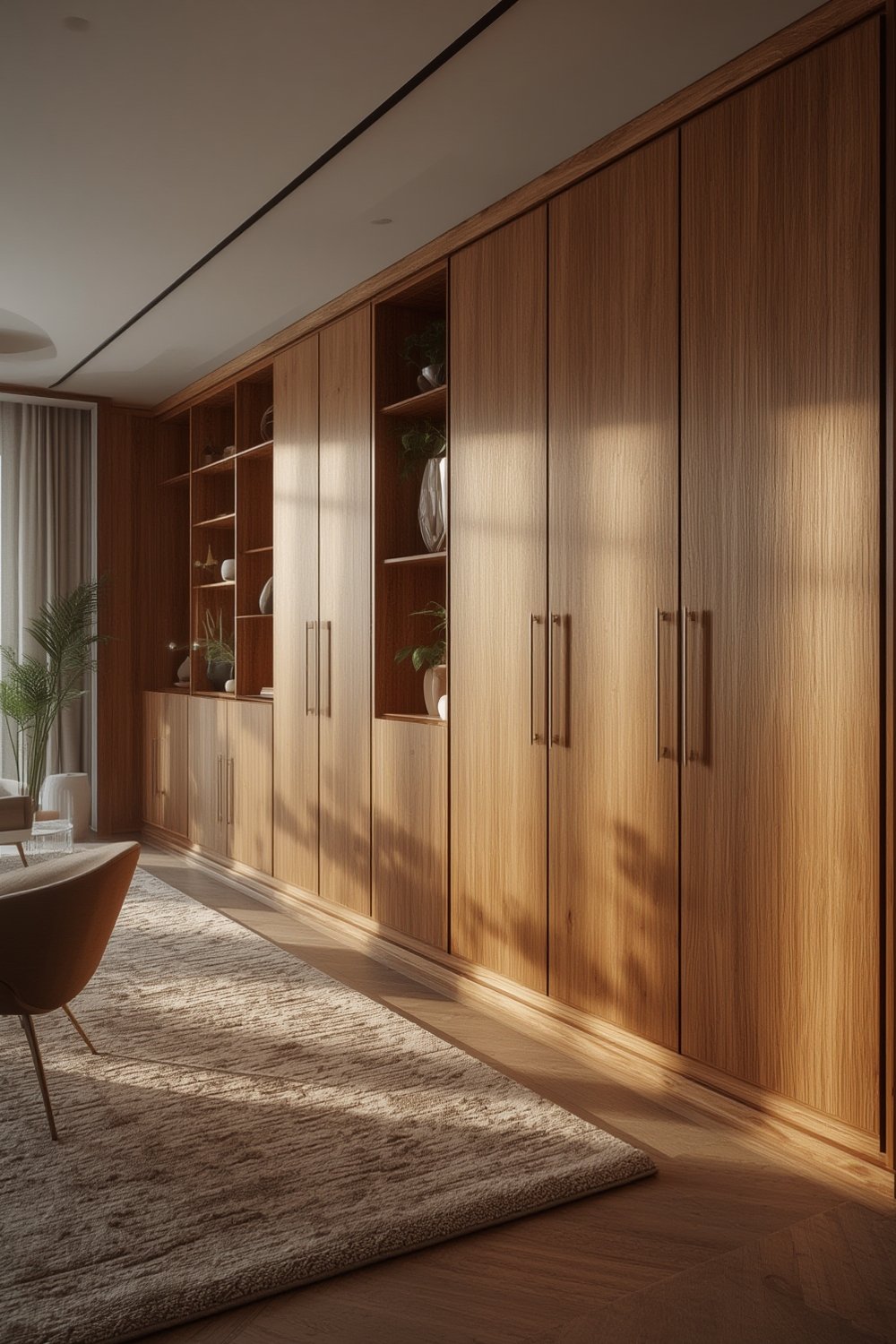
Expect higher upfront costs: professionally installed built-in cabinets can range from $500–$1,500 per linear foot, or $10,000–$35,000+ for an entire kitchen [source]. Prefab units run $60–$500 per linear foot but may only last a decade or less and can be frustrating in oddly shaped spaces. Built-ins, especially when made with superior materials and hardware, can last 25+ years and bring durable value to high-traffic areas (like mudrooms, entryways, and living rooms).
This cabinet type is also trending in spaces beyond the kitchen—think built-in pantries, alcove wardrobes, hallway storage, and bedroom wardrobes. Just remember that the benefits come from good prep, quality materials, and avoiding common planning mistakes.
Step-by-Step Guide: Planning and Building Your Built-In Cabinet With Doors
You don’t need a big shop or pro carpentry skills to get custom results at home, but you do need a careful plan. Here’s how to tackle it from start to finish:
-
Choose the Right Location & Purpose
Decide where your built-in will go: hallway linen closet, living room media wall, mudroom drop zone, or entry bench. Each space comes with its own storage needs and challenges. For specialized inspiration, check out solutions for a mudroom built-in bench with hooks or a craft room built-in. -
Plan Dimensions & Sketch
Standard cabinet depth is 24 inches (for base), 12 inches (for upper), and heights vary. For linen cabinets in a hallway, aim for 15–18 inches deep so they don’t crowd the walkway. Allow at least 3/4-inch thick plywood or hardwood for shelves and carcass—avoid MDF or particleboard for durability, especially if mounting floor to ceiling. -
Select Quality Materials
Use A/C-grade plywood or hardwood-veneered sheets for a balance of strength and finish. The back panel should be at least 1/2-inch thick, and shelves/carcasses 3/4-inch. Opting for HDF over standard MDF boosts longevity and resists sagging. -
Choose Robust Hardware
Soft-close concealed (“Euro”) hinges, heavy-duty ball-bearing slides (for pull-outs or drawers), and strong wall anchors are key for reliability. For seamless looks, try push-to-open latches or install edge banding on exposed plywood. -
Build & Install
Pre-assemble the cabinet box, doors, and shelves offsite or flat-packed. Secure to wall studs using 3-inch construction screws—never just drywall anchors—for anything floor to ceiling or over 36 inches tall. Use shims to level, then finish trim to hide seams and gaps. -
Add Hidden Features
Integrate LED strip lights, USB outlets, or internal pull-outs for extra function. For inspiration, see these concealed storage cabinet ideas. -
Paint, Finish, and Caulk
Choose a low-sheen enamel for durability and easy cleaning. Use caulk to close gaps at the wall or ceiling for a truly built-in look.
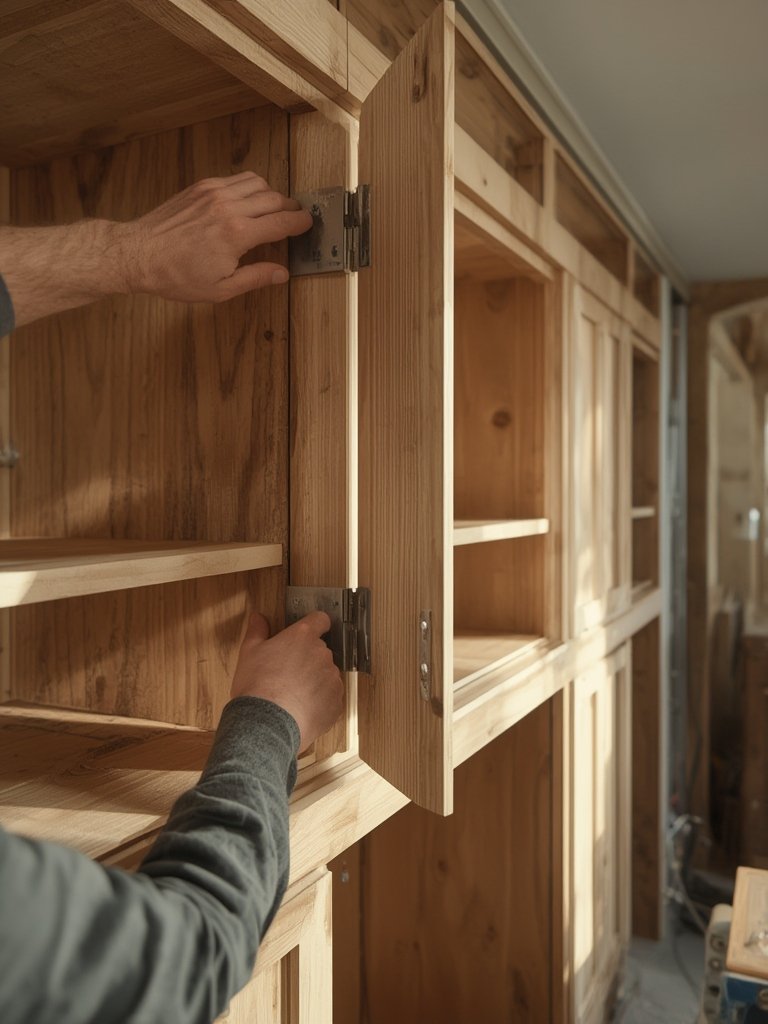
Some specialty installs—like a built-in bookcase plan or home office wall unit—may require custom trim or extra bracing for safety and aesthetics. Always double-check load limits for shelving to prevent future sagging.
Advanced Analysis & Common Pitfalls
While the right built-in cabinet with doors offers unmatched function, a few critical pitfalls trip up even experienced DIYers and homeowners.
Comparison: Built-In Cabinet With Doors vs. Prefabricated Cabinets
| Feature | Built-In (Custom) | Prefabricated |
|---|---|---|
| Average Cost (Installed, Per Linear Foot) | $500–$1,500 | $60–$500 |
| Material Quality | Hardwood, HDF, 3/4-inch plywood | Particleboard, MDF, thinner material |
| Lifespan | 25+ years | 10–15 years |
| Custom Fit | Seamless, can fit any space | Fit issues in non-standard layouts |
| Installation Complexity | High (requires precise work and tools) | Moderate–Low (faster but less precise) |
| Resale Value | High | Moderate |
| Common Problems | Wall anchoring, door alignment, building code awareness | Limited options, lower strength, premature wear |
Common Pitfalls
- Poor Wall Anchoring: Tall built-ins (especially over 7 feet) must be fastened into studs at multiple points. Weak anchoring risks tipping or collapse. It’s essential for safety in family homes.
- Low-Quality Hardware: Cheap hinges and slides lead to premature door sag, sticking, or noise. Always invest in soft-close hardware rated for your door size.
- Dimension Mistakes: Walls are seldom square. Failing to measure top, middle, and bottom can result in unsightly gaps that ruin the built-in effect.
- Installation in Tricky Layouts: Spaces like hallways and alcoves often require customizing depths and notching for baseboards or uneven floors—a prefab won’t fit well without extra trim work.
- Door Mechanism Neglect: Overlooking adjustments for soft-close or push-open mechanisms leads to doors that bind or never quite align.
- Building Code Oversight: While most built-in cabinets are considered “furniture,” some municipalities require them to not block exits or cover electrical/plumbing access. Always check local codes, especially for living room and mudroom installs.
Still not sure if a built-in is right for your space? Compare with freestanding modular systems in our modular shelving system guide for flexible, non-permanent options.
Conclusion
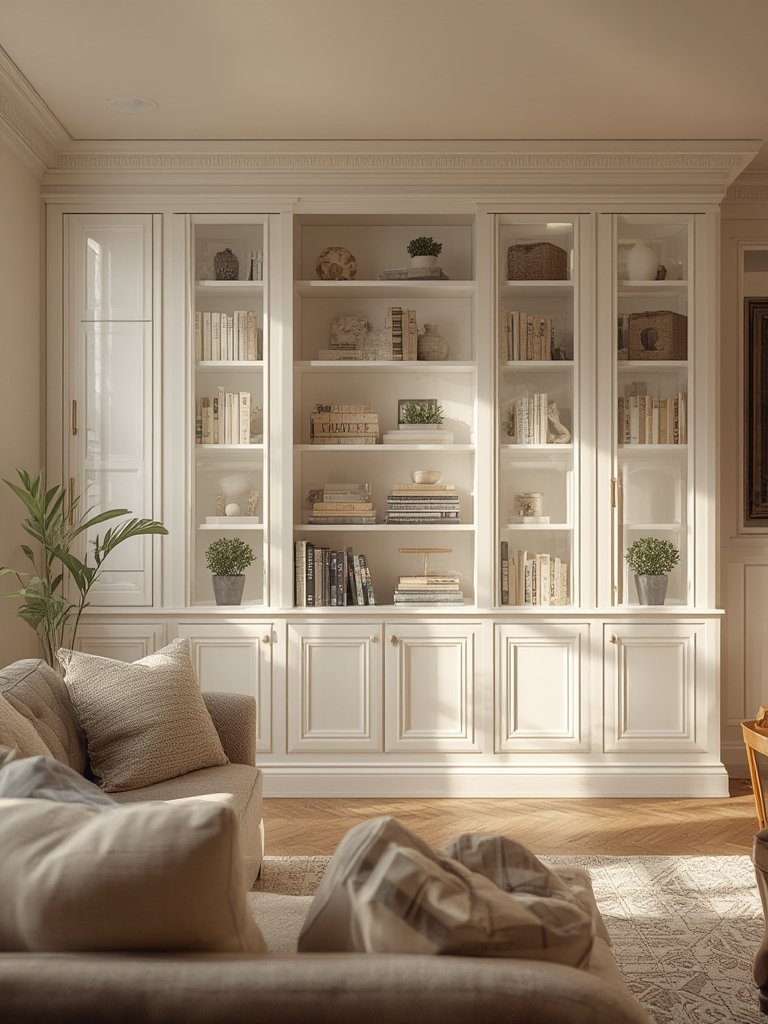
Investing in a built-in cabinet with doors can dramatically transform your home’s storage, function, and value—when you plan carefully and avoid the biggest pitfalls. Prioritize robust materials, take extra time with measurements and mounting, and don’t shortcut on hardware or finishing steps. Whether for a dramatic entry, a built-in storage bench, or a seamless living room wall, the extra effort you put in means your built-in cabinet with doors will outlast and outperform prefab every time.
Ready to start your project? Compare built-in options to other closet organizer systems or explore detailed DIY plans for every room at DIYBuiltIns.com.
FAQs
What materials work best for a built-in cabinet with doors?
Go for 3/4-inch plywood or quality hardwood for the cabinet body and shelves. HDF is sturdier than basic MDF for doors, especially in high-traffic zones. Avoid particleboard unless budget is your top concern—it’s prone to sagging and water damage.
Do I need permits to install a built-in cabinet with doors?
Most built-in cabinets are considered furniture, not structural changes, so permits aren’t usually required. However, if you’re attaching to a load-bearing wall, or working near electrical/plumbing, check your local codes to be safe.
How long does a DIY built-in cabinet project take?
A small hallway cabinet might take 1–2 weekends, including prep, building, and painting. Larger, floor-to-ceiling projects can span up to a week if you account for drying times and trim work. Prefab alternatives usually install in a single day but sacrifice customization.
What are the main drawbacks of prefab cabinets compared to built-ins?
Prefab cabinets cost less up front but often have poor fit in real rooms, limited options for configuration, shorter lifespan (10–15 years), and lower quality hardware. Built-in cabinets, while pricier, offer a tailored look and long-term durability. For a detailed breakdown, see this analysis.
What smart features can I add to my built-in cabinet with doors?
Try soft-close or push-to-open door hardware, integrated LED lighting, hidden charging stations, or interior pull-out trays to maximize function and keep clutter hidden.
—