

Craft room storage ideas can instantly transform the way you work—no matter the size of your space or the types of crafts you love. The right built-in shelving, cabinets, and modular solutions do more than organize your supplies—they boost your productivity and make crafting feel less chaotic from day one.
Key Takeaways
- Integrated storage (built-ins, cabinets, and pegboards) maximizes craft room functionality and increases productivity.
- Custom modular solutions and creative pegboard integrations work even in small or unconventional spaces.
- Choosing quality materials prevents failures and supports long-term satisfaction—don’t settle for mass-produced shortcuts.
- The Core Concept: Why Storage Design Matters in Craft Rooms
- Step-by-Step Guide: Designing Craft Room Storage That Works
- Advanced Analysis & Common Pitfalls
- Conclusion
- FAQ
The Core Concept: Why Storage Design Matters in Craft Rooms
Storage is the backbone of any successful craft room. Without a flexible and accessible system, even the largest space turns into clutter and frustration. Effective craft room storage ideas go beyond just shelves and cabinets—they create zones for supplies, hide clutter, and keep your surfaces ready for action.
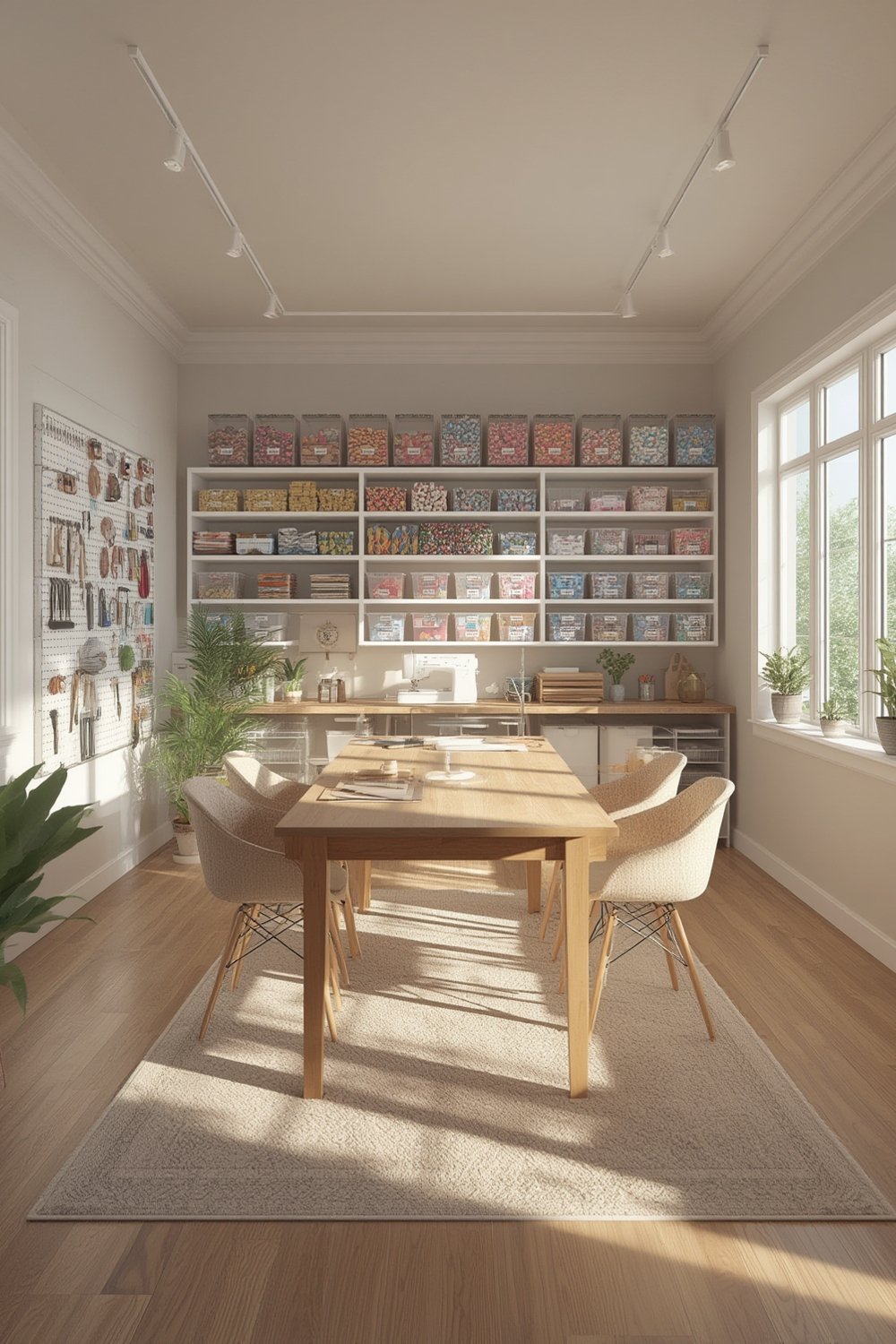
Recent design studies show that properly organized storage not only keeps you sane; it directly improves productivity and room value. According to expert reviews and the National Association of Home Builders, modular storage can raise resale value by 13%—a clear sign buyers and crafters alike value flexible organization. Built-in shelves, tall cabinets, and customizable pegboards mean your tools are always visible, your workflow is smoother, and creative burnout stays at bay.
But not all storage solutions work for everyone. Art studios, sewing rooms, and multipurpose craft rooms each need something a little different. Understanding your actual needs—and the limitations of your space—is the first step to success.
Step-by-Step Guide: Designing Craft Room Storage That Works
Here’s a practical, realistic plan to transform your craft room into a productivity powerhouse—whether you’re starting from scratch, updating an existing setup, or working with a tight footprint.
-
Define Your Craft Zones
Separate your room into activity areas: main work surface, supply storage, tool storage, and overflow (for seasonal or bulk items). In sewing rooms, dedicate zones for machine work and cutting. In art studios, prioritize accessible paint/tool storage and a large clear workspace. -
Measure Precisely
Accurate square footage is crucial. Most craft rooms are 97-194 sq ft (source). Consider ceiling height—tall built-in cabinets use all vertical space for storage bins or infrequently used supplies. -
Choose Modular and Custom Options
Modular built-ins (such as Versa Shaker cabinets) cost $100-300 per linear foot and are trending with 62% of homeowners in 2024 for durability and lifespan of 20-30 years (source). Custom woodworking can maximize awkward nooks or sloped ceilings for a tailored fit. Integrate both open shelving and closed cabinet storage for visual balance. -
Integrate Pegboards and Hidden Storage
Pegboards mounted to walls (or inside cabinets) hold scissors, rulers, threads, and brushes—keeping tools visible and freeing up drawers for bulkier supplies. Use baskets, hooks, and tiny shelves right on the pegboard.
For more creative concealed options, check out our concealed storage cabinet guide. -
Invest in Quality Materials
Prioritize hardwood plywood with mortise and tenon or dovetail joints for strength, especially over budget particleboard built-ins which can sag or warp. Opt for wood finishes that resist paint spills or adhesives. DIY built-in bookcase plans can be adapted for sturdy craft room storage. -
Install and Organize
Anchor tall cabinets to studs for safety. Add adjustable shelf tracks or pull-out baskets to change your storage as your craft evolves. Simple wire or acrylic drawer dividers tame small supplies. -
Maximize Every Inch
Add shelves above doors, in alcoves, or beneath windows for additional storage—see window seat with storage ideas. Corner shelving and under-stair solutions are perfect for expanding usable space (under stair storage built-in guide).
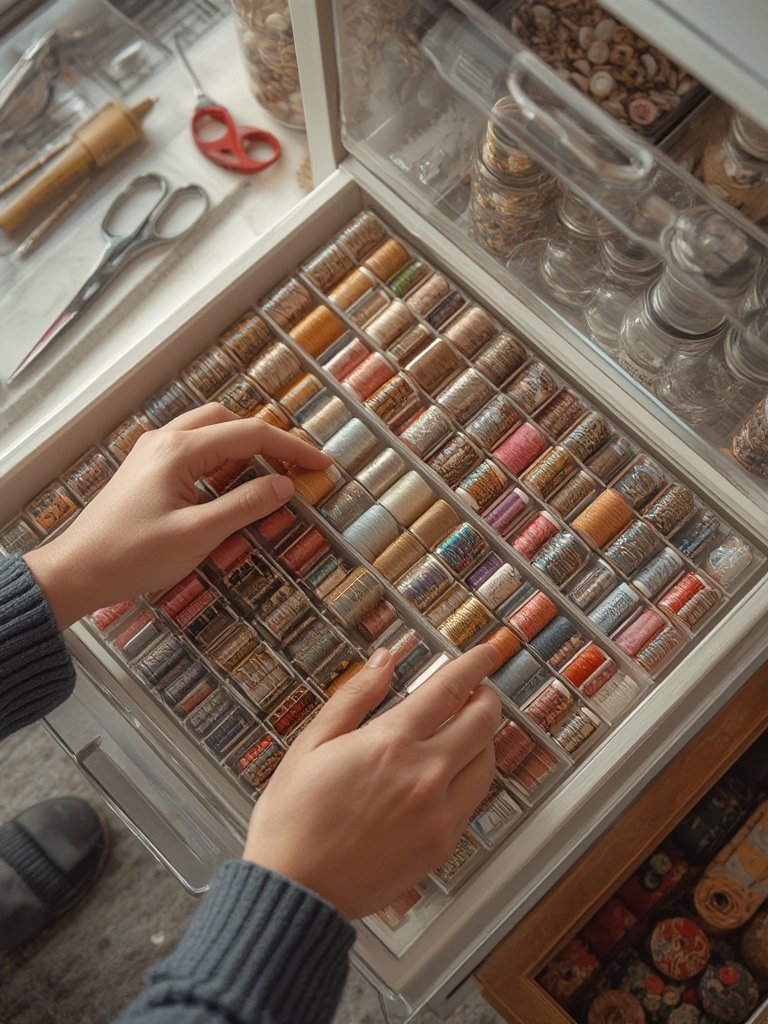
For truly flexible systems, modular shelving can be tweaked as your supplies grow—see our modular shelving system guide for inspiration. If you’re organizing sewing machines or bulkier items, custom drawers and roll-out trays maximize utility in even the most compact rooms.
Think about combining pegboards with slide-out or tilt-down bins for ultra-efficient small-space use—most competitor guides (source) overlook this, but it’s a game changer for active crafters in city apartments or shared spaces.
Advanced Analysis & Common Pitfalls
Not every craft room storage idea is a slam dunk. Here are some realistic issues—plus a side-by-side comparison of storage options—to help you sidestep disappointment.
- Mass-Produced Weaknesses: Most off-the-shelf built-ins use particleboard with thin veneers and stapled joints. Over time, these warp, sag, or degrade—especially in humid or busy craft environments (source).
- Poor Layout: Generic cabinets often lack customized zones for tools, fabrics, and paints, which leads to clutter and wasted time. Ergonomic oversight is a top frustration for crafters with busy workflows.
- Waste of Vertical Space: In most craft rooms (97-194 sq ft), failing to build to the ceiling results in lost storage potential. Modular and tall built-ins make the difference.
- Ignoring Small-Space Hacks: Most top articles don’t address creative, compact solutions—like pegboards on tight wall gaps or concealed drawers—wasting valuable square inches.
- DIY Failures: Poor anchoring, mismatched measurements, and underestimating weight requirements can cause shelves to collapse or cabinets to tip. Always anchor large storage to wall studs.
- Material Mismatch: High-shine finishes might look nice but stain with paint or adhesives. Choose utility over style for work surfaces.
| Option | Pros | Cons | Best For |
|---|---|---|---|
| Custom Modular Built-ins | Perfect fit, highest durability, adaptable | Higher upfront cost, longer lead time | Long-term use, odd-shaped spaces |
| Mass-Produced Cabinets | Lower initial price, fast install | Shorter life, limited customization | Temporary setups, rentals |
| Pegboard Systems | Instant access, maximizes wall space | Limited weight, tools may fall if not secured | Small spaces, tool-heavy crafts |
| Concealed/Hidden Storage | Clutter-free look, security for valuables | Can hide supplies out of sight/out of mind | Shared or public craft rooms |
Conclusion
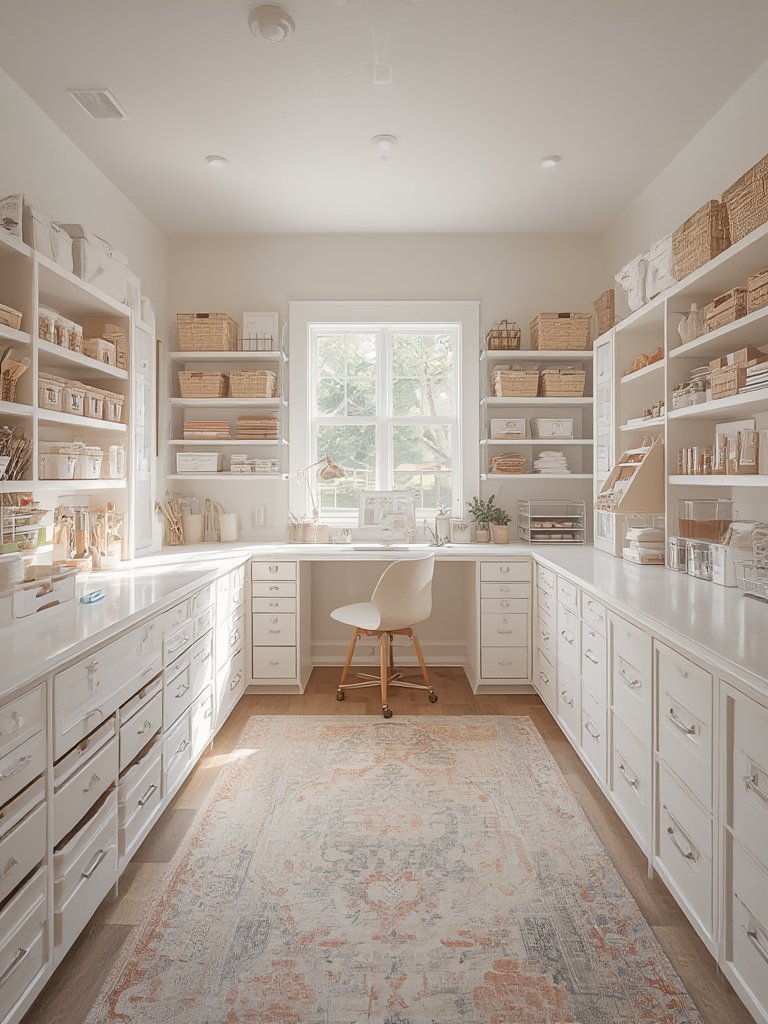
No one-size-fits-all solution exists, but the most effective craft room storage ideas balance built-in cabinetry, modular shelves, and creative pegboard setups. Invest in quality—both in design and materials—to avoid common frustrations, and don’t neglect small-space-friendly tricks. Ready to take the next step? Explore our expert guides on modular shelving, under stair storage, window seat with storage, concealed storage, and built-in bookcases—and make your craft room work for you starting today.
FAQ
What is the best material for craft room built-in cabinets?
Opt for hardwood plywood with solid wood edging and dovetail joinery. It resists warping and lasts far longer than particleboard. A durable, wipeable finish helps prevent damage from paint and glue.
How do I organize small craft rooms with limited space?
Use vertical storage like tall cabinets and wall-mounted pegboards. Add under-seat storage, over-door shelves, and integrate pegboards inside cabinet doors for extra tool storage.
Are modular storage systems really worth it?
Yes. Modular systems adapt as your needs change and can be easily reconfigured. They are ideal for small rooms, evolving hobbies, or renters needing flexibility.
How much does it cost to install custom craft room built-ins in 2024?
Custom cabinets like Versa Shaker start at $100-300 per linear foot. Expect costs to vary with size, complexity, and materials. DIY options are less expensive but require tools and skill.
How do I combine pegboard and built-in storage efficiently?
Mount pegboards above work surfaces, on narrow walls, or the backs of cabinet doors. Combine with open shelves or bins for flexible, accessible tool storage—even in tight quarters.