

### Blog Post:
Kitchen open shelving ideas have transformed countless spaces over the past decade, promising an airy, modern vibe. But do these trendy shelves really live up to the hype in everyday kitchens—or are there better options in 2024? Here’s what you need to know, plus practical steps and real downsides most guides skip.
Key Takeaways
- Open shelving remains visually popular in minimalist kitchens, but full upper cabinets are making a comeback for those seeking easier organization and more storage.
- Common pitfalls of open shelves include constant maintenance, dust, and clutter—many regret switching after living with open shelving for a few months.
- For most homeowners, combining open shelving with closed cabinetry delivers the best balance between display style and practicality.
- What Are Kitchen Open Shelving Ideas? (And Why Are They Popular?)
- How to Add Open Shelves to Your Kitchen: Step-by-Step Guide
- Open Shelving Analysis: Real Problems, Comparison & Solutions
- Conclusion
- FAQ
What Are Kitchen Open Shelving Ideas? (And Why Are They Popular?)
Kitchen open shelving ideas center on replacing or supplementing traditional upper cabinets with floating shelves, bracketed planks, or glass shelving. The goal: create an airy, modern look while displaying tableware or daily essentials. Designers like Nate Berkus recommend open shelving in kitchens to break up heavy cabinetry and add personality. Joanna Gaines often uses glass-front cabinets or select open shelves for light reflection and curated style touches. Many homeowners are drawn in by social media images of beautifully styled open shelves that showcase their favorite dishes or vintage finds.
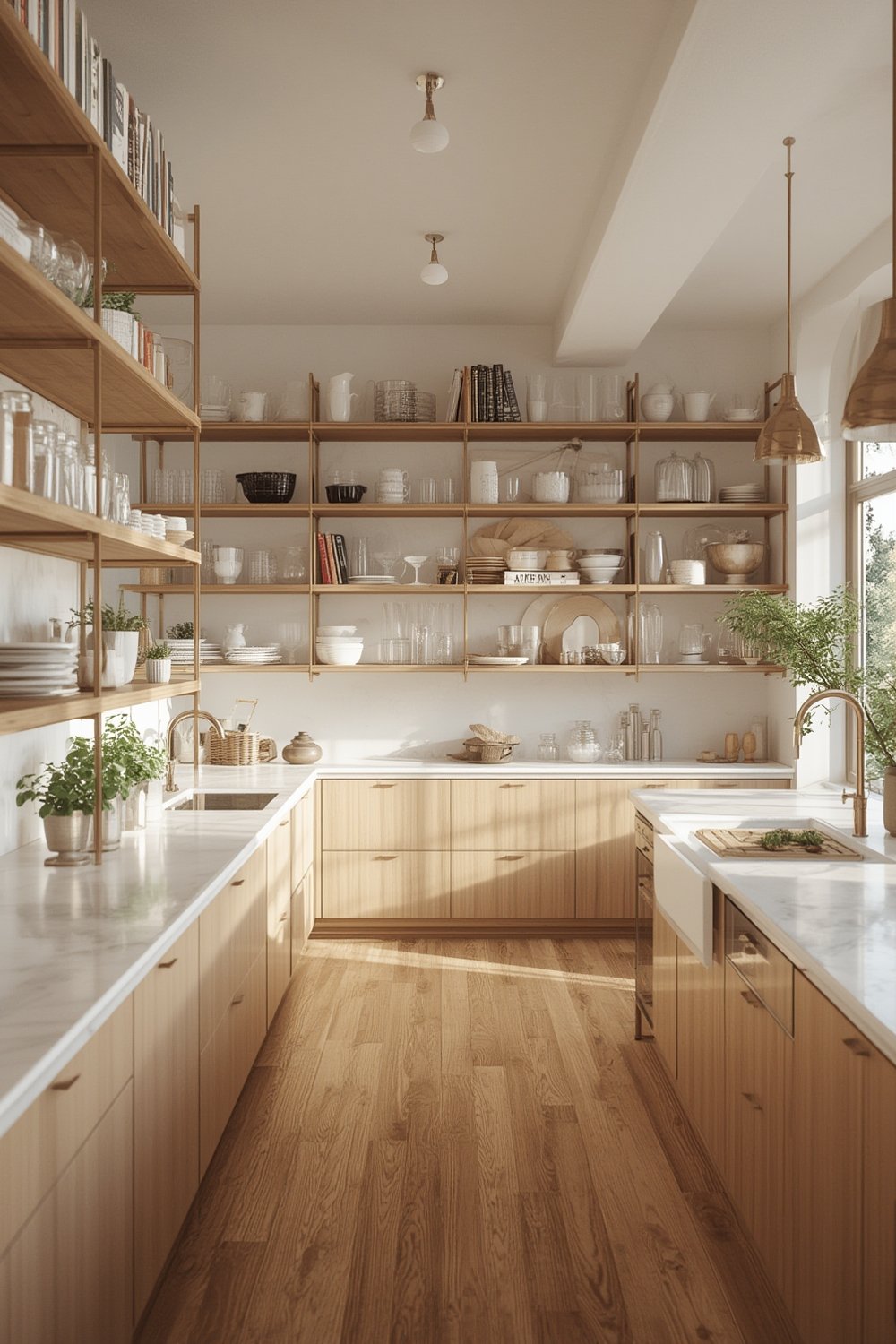
However, while still visually striking in design circles, open shelving is not as universally beloved as it once was. Recent market analysis shows many homeowners shifting back to upper cabinets, citing everyday realities like ease of cleaning and maximum storage capacity.
A smart approach today is balance—mixing open shelving with closed cabinetry or glass-front doors for both form and function. You’ll see this strategy gaining favor among designers and homeowners who want some display shelving but don’t want to lose the practical benefits of enclosed storage.
How to Add Open Shelves to Your Kitchen: Step-by-Step Guide
Thinking of adding kitchen open shelves? Here’s a clear, step-by-step plan to get the look—without sacrificing function or safety.
- Assess your walls and existing storage needs. Decide if you’re removing cabinets or adding open shelves in empty space. Carefully measure available wall space to choose the right shelf depth and length.
- Select your shelf material and hardware. Solid hardwood, plywood with edge banding, or powder-coated metal all work well. For a seamless look, floating shelves (no visible brackets) require precision mounting and higher-quality brackets. For a more utilitarian style, display sturdy decorative brackets.
Need help choosing shelf hardware? See our floating shelf bracket hidden guide for specs, installation steps, and weight limits. - Check for wall studs and mark anchor points. Use a stud finder to locate framing. Mark shelf heights using a level.
Typical kitchen open shelves for dishes should sit 18-24 inches above the countertop, or as tall as needed to fit your display. - Install brackets or shelf mounts securely into studs. Use lag screws or manufacturer-provided hardware for each support point. Never trust drywall anchors alone for shelves supporting dinnerware or appliances.
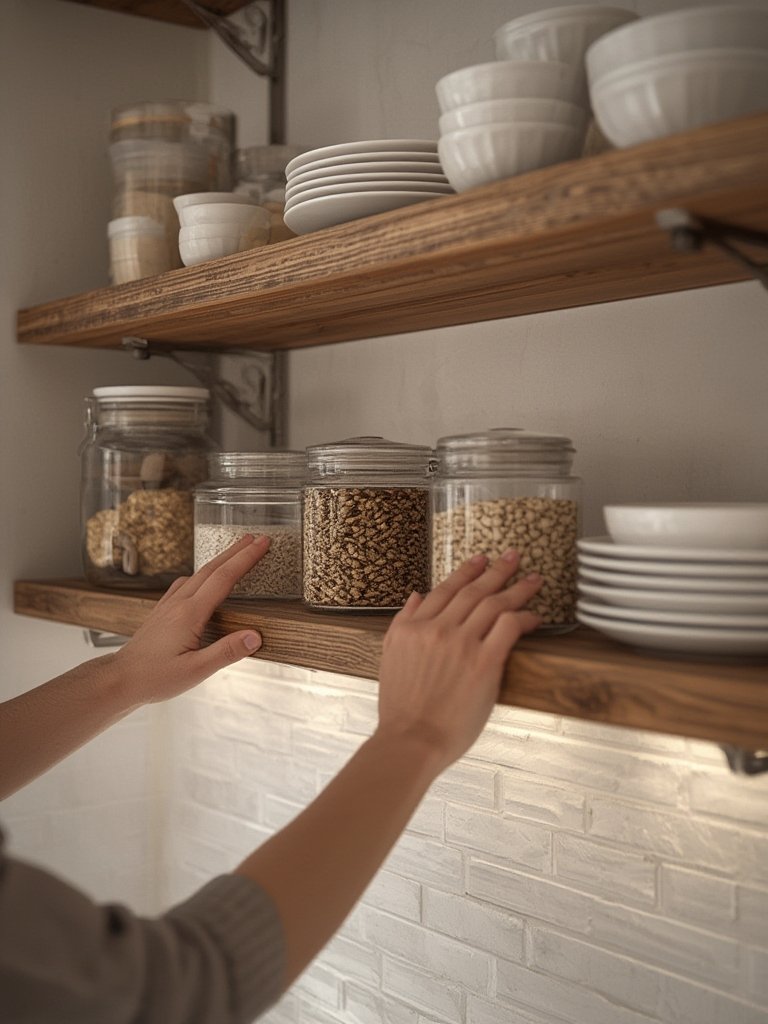
- Mount the shelves and test weight capacity. Place the shelf on supports and secure firmly. Test by gently stacking weight up to your anticipated daily load (start with lighter dishes before adding stacks of plates).
- Style your shelves with both form and function in mind. Place daily essentials within easy reach, and use a mix of dishes, glassware, and a few decor pieces for a curated, not cluttered, look. Designer tip: stagger the shelf heights and avoid overfilling; negative space is your friend.
- Prefer extra-deep pantry shelving for bulk storage? Explore our built-in pantry cabinet guide for floor-to-ceiling options.
- Love modular solutions? Discover modular shelving system tips for kitchens and pantries.
- If you’re dealing with limited wall depth, recessed wall shelves can create custom nooks even in tight kitchens.
Open Shelving Analysis: Real Problems, Comparison & Solutions
Based on recent data and user feedback, kitchen open shelving ideas have clear pros and strong cons. Before you commit, review these realistic issues—many of which drive homeowners back to full upper cabinetry after living with open shelves for a while.
Most Common Open Shelving Drawbacks
- Frequent Dust and Grease Cleanup: Shelves quickly collect kitchen dust, oil, and splatters. Cleaning needs can be weekly or even daily if you cook often. Many homeowners find the maintenance overwhelming after the first few months. Source
- Limited Storage Capacity: Open shelves simply can’t match the space or organizational ability of closed uppers. Tall pitchers, pantry items, or even small appliances must find another home. Source
- Visual Clutter Without Careful Curation: Unless you love spending time arranging and paring down your plates and glasses, shelves can end up feeling chaotic, not minimalist. There’s an ongoing burden to keep only attractive, coordinated items on display or risk a cluttered look. Source
- Resale Value Questions: No reliable data currently demonstrates that replacing cabinets with open shelves increases home value—or appeals to the widest pool of buyers. In fact, realtors report many buyers prefer the contained storage and clean lines of full cabinets.
- Invisible Engineering Risks: Most blog posts skip the details: true floating shelves require careful engineering. Overloading shelves—or failing to hit studs—causes wall damage and potential shelf collapse.
Side-by-Side Comparison
| Feature | Open Shelving | Traditional Upper Cabinets |
|---|---|---|
| Aesthetic Style | Airy, modern, customizable displays | Cohesive, streamlined, hides clutter |
| Storage Space | Limited, mostly for display items | Maximum enclosed capacity |
| Upkeep Needs | High—cleaning and curating required | Minimal—wipes clean, no display worries |
| Cost | Generally lower for DIY, can rise for premium shelving and hardware | Varies—refacing is lower, full replace is much higher |
| Resale Appeal (2024) | Mixed—polarizing, trend shows signs of decline | Wider buyer appeal, especially with tall uppers and glass |
Interested in seamless storage ideas that hide clutter completely? See our advice on a concealed storage cabinet or for homes with limited space, check under stair storage built-in options.
Conclusion
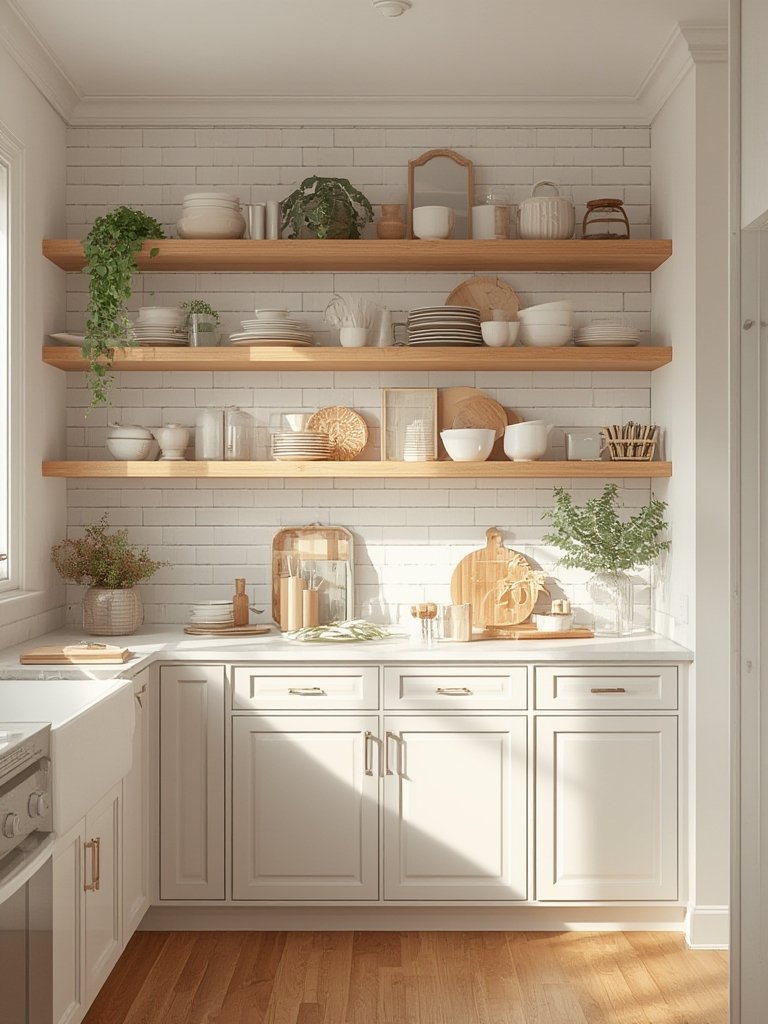
Open shelving can provide a modern look, but in practice, most kitchens benefit from a balanced approach. Use open shelves sparingly for display—and rely on closed cabinetry for easy organization and resale value. Research data and designer input agree: in 2024, blend bold, open looks with functional storage for a kitchen that works every day. If you’re choosing the best kitchen open shelving ideas for your remodel, weigh long-term maintenance and organization, not just first-glance style.
Ready to plan your ideal kitchen storage? Explore more guides, or start drafting your storage layout today for results that last.
FAQ
Do open kitchen shelves make a room look bigger?
Open kitchen shelves can help smaller kitchens feel larger by reducing bulky upper cabinets. However, if shelves are overloaded or disorganized, they may have the opposite effect and make the kitchen look busy.
How much weight can open kitchen shelves hold?
It depends on your installation. Floating shelves installed directly into studs with heavy-duty brackets often support 35-50 pounds each. For exact specs and safe mounting, read our hidden bracket floating shelf guide.
Are open shelves cheaper than upper cabinets?
Usually, yes—DIY open shelves can be much cheaper. But labor, premium hardwood, or stylish brackets can make costs climb. In contrast, replacing or refacing cabinets is typically a larger expense but adds storage and improves resale.
How do I keep open shelves looking organized?
Only store your most-used or best-looking items on display. Limit the number of pieces per shelf, and clean them regularly to avoid dust and oil buildup.
Do open shelves hurt resale value?
There’s no strong data either way, but most realtors in 2024 recommend traditional upper cabinets for the broadest buyer appeal, especially in mid-to-high end homes. A mix of both is often safest.
—