

### Blog Post:
Built-in bathroom shelves are one of the most practical ways to maximize storage in a tight space, while adding a modern, high-end feel to any bathroom. But is a recessed niche or built-in shelving always the best option? Let’s break down what you need to know before you cut into that wall.
Key Takeaways
- Built-in bathroom shelves require more investment and planning than traditional surface-mounted shelving, but deliver a seamless, custom look.
- Installation costs range widely (from $400 to $5,000+) depending on materials and labor, with DIY options possible for under $500.
- Most pitfalls come from waterproofing mistakes and poor wall placement, not necessarily from the shelf style itself.
- What Are Built-In Bathroom Shelves and Why Choose Them?
- How to Plan and Install Built-In Bathroom Shelves: A Step-by-Step Guide
- Advanced Analysis: Cost, Durability, and Common Pitfalls
- Conclusion
- FAQ: Built-In Bathroom Shelves
What Are Built-In Bathroom Shelves and Why Choose Them?
Built-in bathroom shelves, often called recessed shelves or shower niches, are storage compartments installed inside the wall cavity. Unlike traditional shelves secured onto the wall surface, built-in shelves create a flush, seamless niche that blends into your tile or drywall. This approach frees up usable space, makes cleaning easier, and can transform your bathroom design from dated to modern almost instantly.
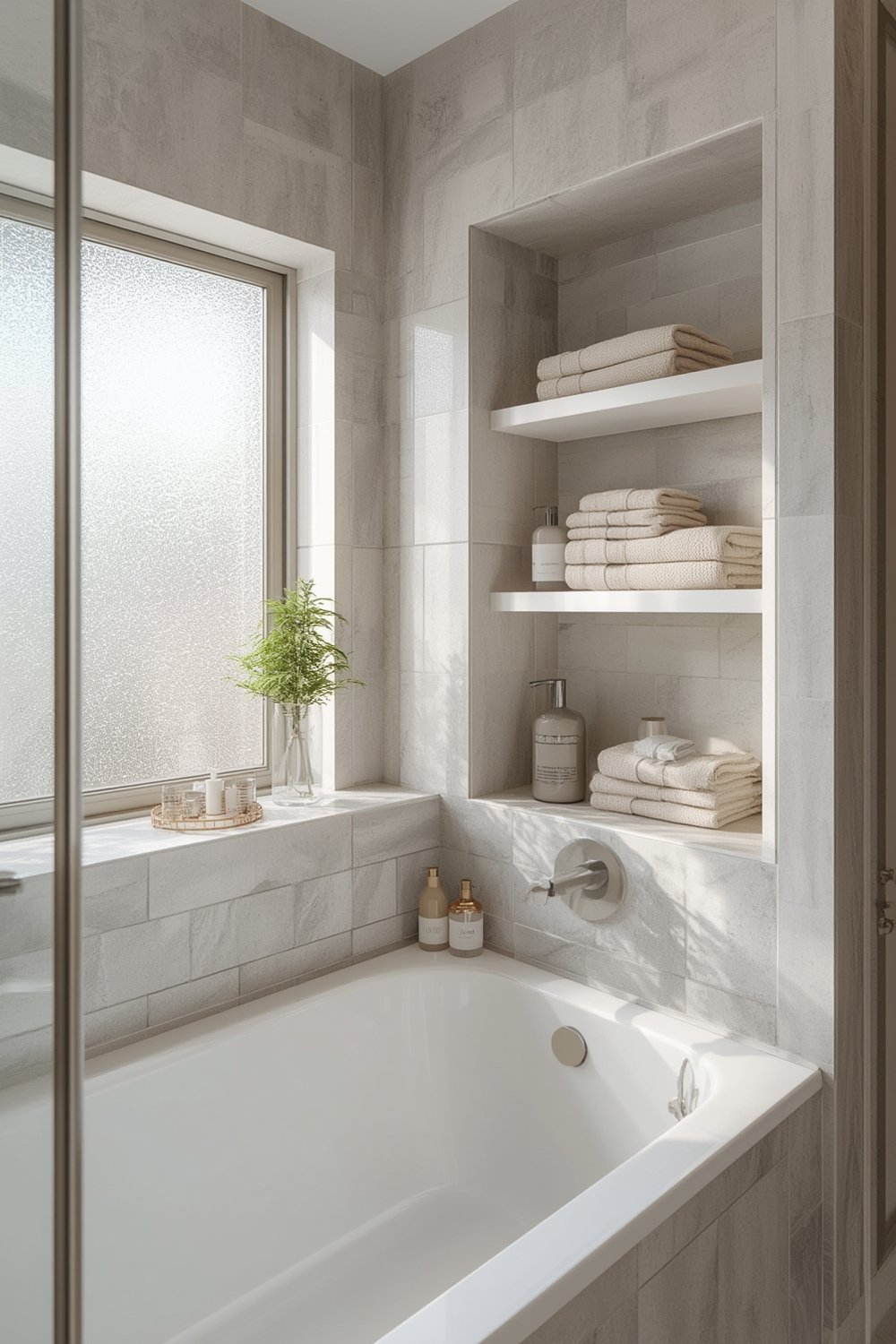
The main reasons homeowners opt for built-in bathroom shelves are:
- Space-Saving: Especially critical in small bathrooms, a recessed shelf doesn’t crowd your shower or restrict movement.
- Custom Appearance: Built-in shelves can be sized, tiled, and placed to match your exact bathroom style — a level of customization most surface shelves can’t achieve.
- Increased Home Value: Modern buyers view these as luxury features that boost the overall appeal and usability of the space.
If you’re exploring more ways to maximize storage throughout your home, check out these ideas for closet organizer systems or mudroom built-ins for inspiration.
How to Plan and Install Built-In Bathroom Shelves: A Step-by-Step Guide
Want a clean, integrated look? Here’s how to plan, budget, and install built-in bathroom shelves (including common pitfalls to avoid):
- Decide on Placement
- Inside a shower or above a bathtub is most common, but niches behind vanity mirrors or above toilets are gaining popularity.
- Always check for existing plumbing, wiring, or vent runs with a stud finder and inspection camera.
- Determine Size
- Common sizes: 12×12” for personal products, or go larger for towels/extra storage.
- Check wall framing spacing (usually 16” on center studs). A double-stud opening can allow wider niches (if not load-bearing).
- Budget Realistically
- DIYers can tackle a recessed shelf niche project for $200-$500 in materials (tile, prefab niche, waterproofing membrane, sealant, grout). Prefab niches alone run $50-$200; custom work is more.
- Professional installation ranges from $400 for simple DIY up to $5,000+ for fully custom units, especially with high-end tile.
- Labor is the main expense: pros charge $30-$125/hour, depending on region and scope. Expect at least two hours for basic installs, more if opening new framing or moving pipes.
- See more cost breakdowns at Fixr or HomeAdvisor.
- Gather Tools & Materials
- Tape measure, drywall saw/oscillating tool, waterproofing tape/membrane (like Schluter Kerdi), thinset mortar, grout, notched trowel, level.
- Prefab or custom wall niche, tile or waterproof finish material, silicone caulk for all transitions.
- Sponge, buckets, safety glasses, utility knife.
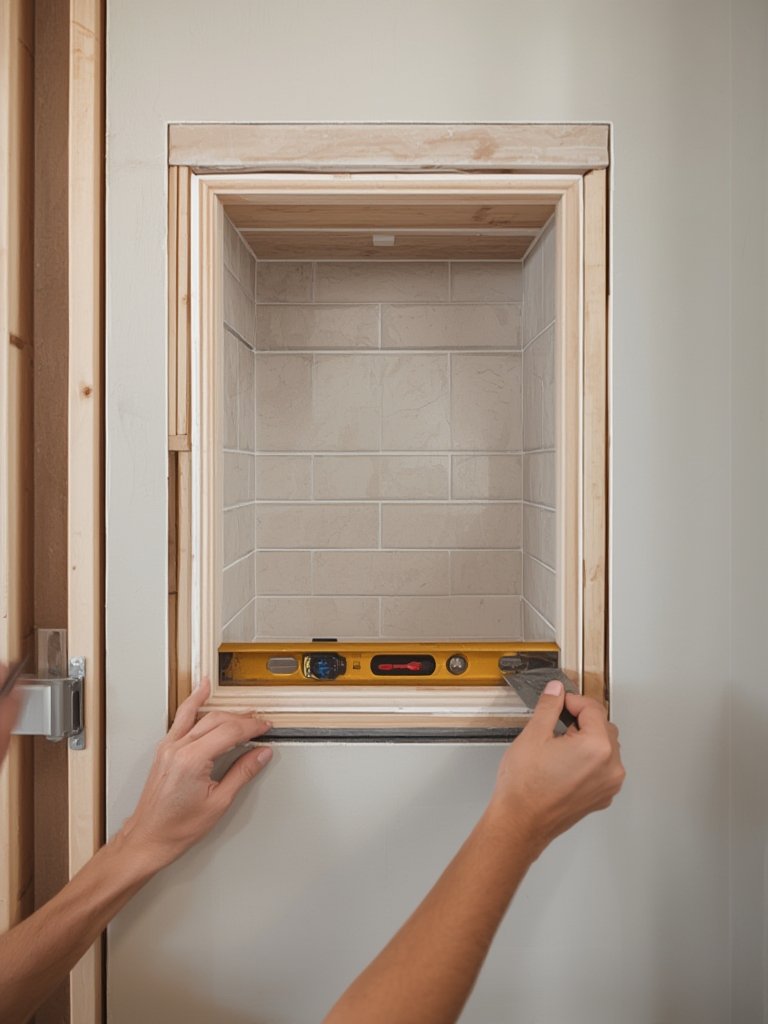
- Cut and Frame the Opening
- Use a stud finder to locate cavity. Mark opening, score drywall, and cut. Frame opening to required dimensions and secure solid backing for tile.
- If you hit plumbing or wires, consider alternative locations or hire a pro to relocate obstacles.
- Install Prefab Niche or Build Niche Box
- Slide prefab niche into cavity. For a custom build, assemble framing and moisture-resistant backer board in cavity.
- Seal all joints with waterproofing membrane and tape. Pay careful attention to corners and edges — these are where leaks usually start.
- Tile, Finish, and Seal
- Dry-lay tile to plan pattern before setting. Apply thinset, set tile, and allow proper dry time.
- Grout all joints, then apply high-quality silicone caulk at all transitions between shelf, wall, and floor.
- Let everything cure per manufacturer instructions before exposing to moisture.
Looking for a step-by-step DIY approach with schematics and cost breakdowns? See our guide to DIY built-in bookcase plans (many tips apply to bathroom niches, too) and built-in fireplace shelves for advanced cabinetry tricks.
Advanced Analysis: Cost, Durability, and Common Pitfalls
Are built-in bathroom shelves always the best choice? Not always. Here’s a hard look at what can go wrong (and how to sidestep trouble):
| Aspect | Built-In Bathroom Shelves | Traditional (Surface-Mounted) Shelves |
|---|---|---|
| Installation Cost (2024) | $400–$5,000+ (average $2,700, DIY $200+; materials: $150–$1,200/ft) | $21.67–$33.48 per linear foot (basic) |
| Time to Install | 2–8+ hours (wet areas/higher complexity = longer) | 1–2 hours (simple brackets + shelf) |
| Durability & Leak Risk | High if waterproofed right Significant leak/mold risk if not |
Low leak risk, but less integrated; easier to fix/replace |
| Maintenance | Minimal if installed correctly; tile grout may require periodic sealing | Easy access; simpler to clean or swap out shelves |
| Design Integration | Custom, seamless, high-end look | Lower-end, more “add-on” appearance |
Common Pitfalls & Problems:
- Waterproofing Failures: The #1 cause of problems. Poorly applied membrane or gaps in corners lead to leaks, mold, or wall decay. Never skip or rush this step.
- Bad Placement: Cutting into load-bearing walls, hitting plumbing or wiring, or installing niches too low/high for easy use. Always pre-plan and check with a stud finder.
- Underestimating Cost: Tile, waterproofing, and labor quickly add up. Custom niches with glass, stone, or exotic finishes can exceed $1,000 easily. Compare with a surface shelf if you’re on a tight budget.
- Not Matching Tile/Grout: A mismatched or messy tile pattern will draw the wrong kind of attention. Dry-fit first to avoid last-minute regrets.
- Missed Functional Details: Some skip sloping the bottom tile toward the drain. Without a slight slope, water pools inside the niche.
If you want a more flexible or no-commitment option, consider alternatives like a floating shelf with hidden brackets for contemporary style — much easier to swap or move if your storage needs change.
Conclusion
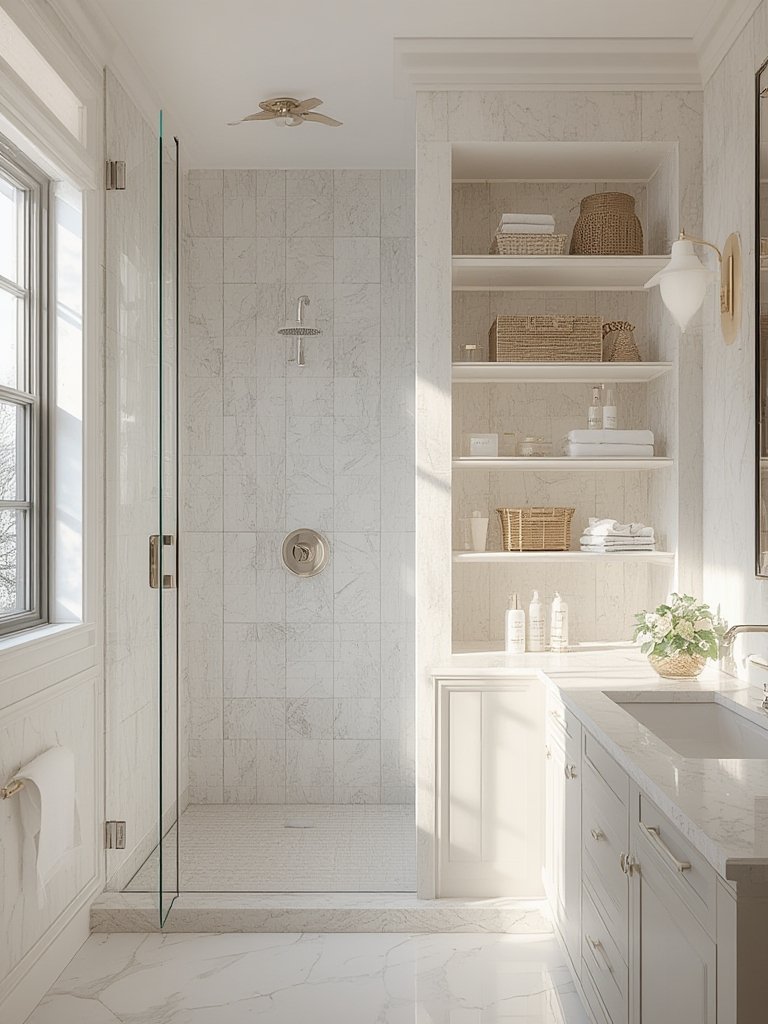
Built-in bathroom shelves deliver stunning, space-saving storage, but require careful planning and the right materials to avoid leaks or long-term problems. Whether you’re tackling it DIY for $200–$500 or bringing in the pros for a custom build, always factor in both the upfront cost and the potential headaches if things go wrong. Explore more built-in storage inspiration with our built-in pantry cabinet guide or tips to create a window seat with storage. Ready to add functionality and style with built-in bathroom shelves? Plan your niche today and transform your bathroom for good.
FAQ: Built-In Bathroom Shelves
How much do built-in bathroom shelves actually cost in 2024?
Installed cost for a built-in shelf niche typically ranges from $400 to over $5,000, depending on size, tile, and labor rates. DIYers may spend $200-$500 for materials. For specific cost breakdowns, see sources like Fixr and HomeAdvisor.
Can you DIY a recessed shower niche or should you hire a pro?
A skilled DIYer can install a prefab shower niche in a single weekend. However, any work involving structural framing, plumbing rerouting, or tile waterproofing can easily go wrong and lead to leaks. Many homeowners choose a pro for waterproofing and complex installs.
Do built-in bathroom shelves need extra waterproofing?
Yes. Waterproofing (such as using a membrane like Schluter Kerdi) at all seams, corners, and screw holes is critical. Skipping this step is the leading cause of leaks and water damage with recessed shelves in wet areas.
What are the biggest downsides compared to traditional shelves?
Installation is more invasive (requires wall demo and potential rerouting of pipes/wires), and costs are much higher than surface-mount shelving. Repairs or changes later are also more involved. Surface-mounted shelves offer cheaper and more flexible storage but lack the custom look.
Are built-in bathroom shelves worth it?
If you value aesthetics, a seamless look, and a permanent upgrade, then yes — especially in small or modern bathrooms. However, weigh the higher cost and difficulty against your storage needs and budget.
—