

Bedroom built-in wardrobe installations have become the go-to solution for homeowners seeking seamless storage, custom design, and a clean, uncluttered look. If you’re considering replacing a freestanding wardrobe or making better use of an awkward alcove, built-ins deliver superior organization and long-term value—but only if you plan with care.
Key Takeaways
- Bedroom built-in wardrobes cost £2,000-£4,000 in the UK or $160-$500+ per linear foot in the US, with costs rising for custom materials and features. [source]
- Sliding doors, internal drawers, and floor to ceiling configurations are among the most-requested custom features that maximize both style and storage.
- DIY built-in wardrobes are possible for simple layouts, but professional installation is highly recommended for complex designs or premium finishes.
- What Are Bedroom Built-In Wardrobes & Why Choose Them?
- How to Plan and Install a Bedroom Built-In Wardrobe: Step by Step
- Advanced Analysis: Pitfalls and Real-World Costs
- Conclusion & Next Steps
- FAQs
What Are Bedroom Built-In Wardrobes & Why Choose Them?
Bedroom built-in wardrobes are custom storage systems constructed to fit the exact dimensions of your space—from alcoves to entire walls—creating a seamless look and maximizing every inch. Unlike freestanding wardrobes, built-ins offer superior organization, can be tailored for awkward spaces, and integrate features such as interior lighting, soft-close drawers, and mirrored or sliding doors for a modern appearance.
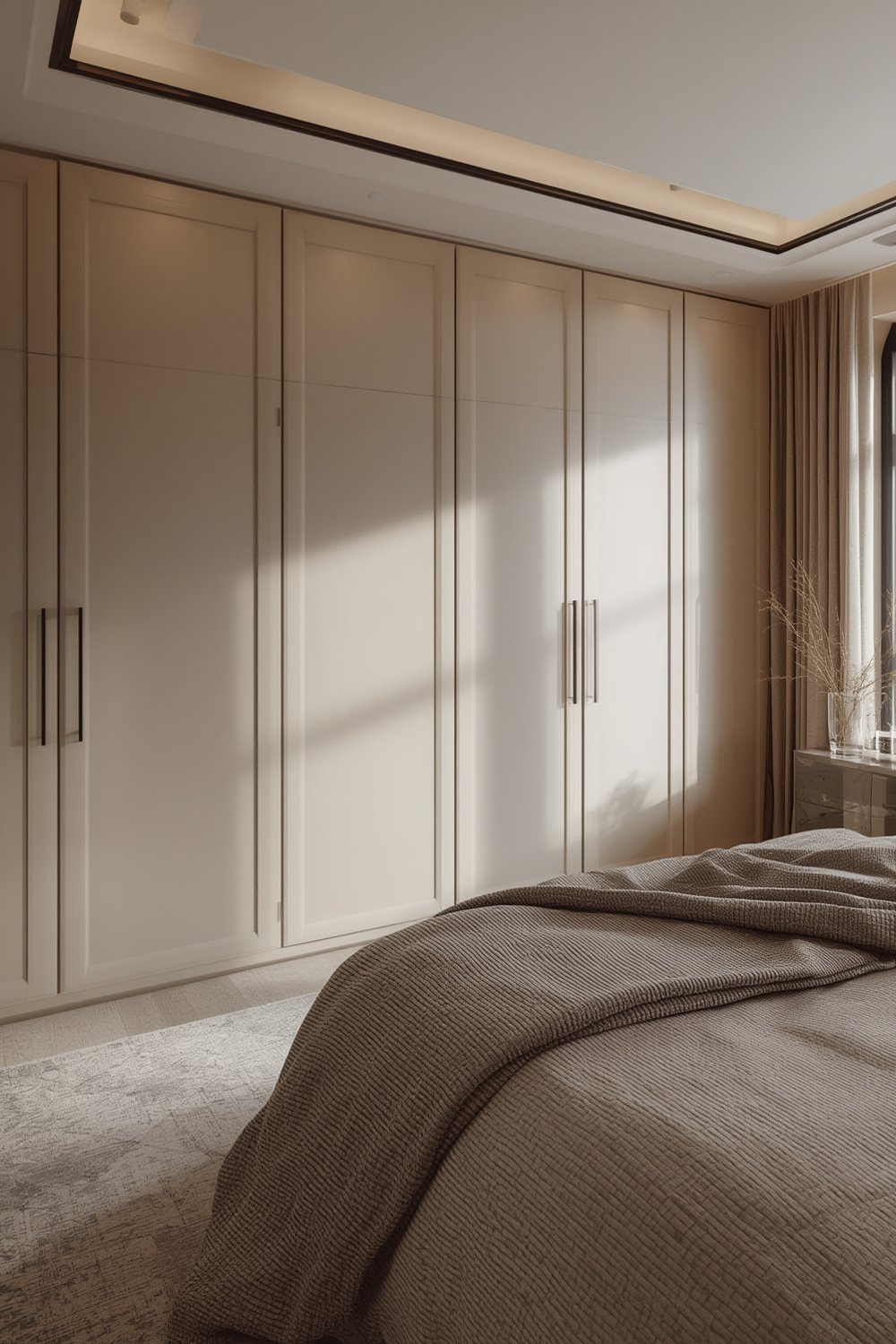
Integrated wardrobes are especially desirable for small bedrooms where space is at a premium, or for maximizing storage in homes with angled ceilings or deep alcoves. Professional installation ensures a flawless finish and longevity, but even basic DIY systems can offer upgrades compared to mass-market furniture. For inspiration customizing storage in other areas of your home, check out our guides to closet built-in organizers and closet organizer systems.
Why choose built-in over freestanding? Built-in wardrobes increase storage, eliminate dead space, and deliver a tidy, streamlined appearance with options that match your room’s finish. However, you’ll need to plan carefully, as mistakes are more costly and harder to fix than with conventional cabinets.
How to Plan and Install a Bedroom Built-In Wardrobe: Step by Step
Installing a bedroom built-in wardrobe is a major upgrade. Here’s how to approach it—whether hiring a pro or tackling a DIY project:
Step 1: Define Your Storage Priorities
List what you need to store—long dresses, shoes, shirts, accessories—and group by type. This informs your internal layout (drawers, hanging rods, shelves, pull-out baskets). For maximizing wardrobe storage, explore our closet storage idea guide.
Step 2: Measure Your Space
Accurate measurements are crucial. Note all room irregularities. If building between two walls (alcove), measure width at multiple heights. For floor to ceiling built-ins, check ceiling height at both ends—most UK/US installations allow for minor discrepancies using filler strips.
Step 3: Plan Your Internal Configuration
Sketch interiors with a mix of short and long hanging rails, shelves, and drawers. Remember, adding drawers or shelves increases cost—about £150 per drawer in the UK or $60-$120 each in the US. Sliding doors are popular for shallow rooms, while hinged doors suit traditional homes or narrower alcoves.
Step 4: Select Materials and Finishes
Affordable options: MDF or melamine. Premium look: painted solid wood or wood veneer. [source] Pick finishes that suit your room—mirrored or gloss doors for light, natural wood for warmth. Mirrored doors cost $150-$450 more per panel.
Step 5: Decide on DIY vs. Professional Installation
Flat-pack and modular units (from £500) are achievable for confident DIYers—good for rectangles or alcoves. For sloped ceilings, wall-to-wall runs, or advanced features like integrated lighting, hire a fitted wardrobe specialist (average UK cost: £2,000-£4,000; US: $2,600–$5,200+ for sliding doors).
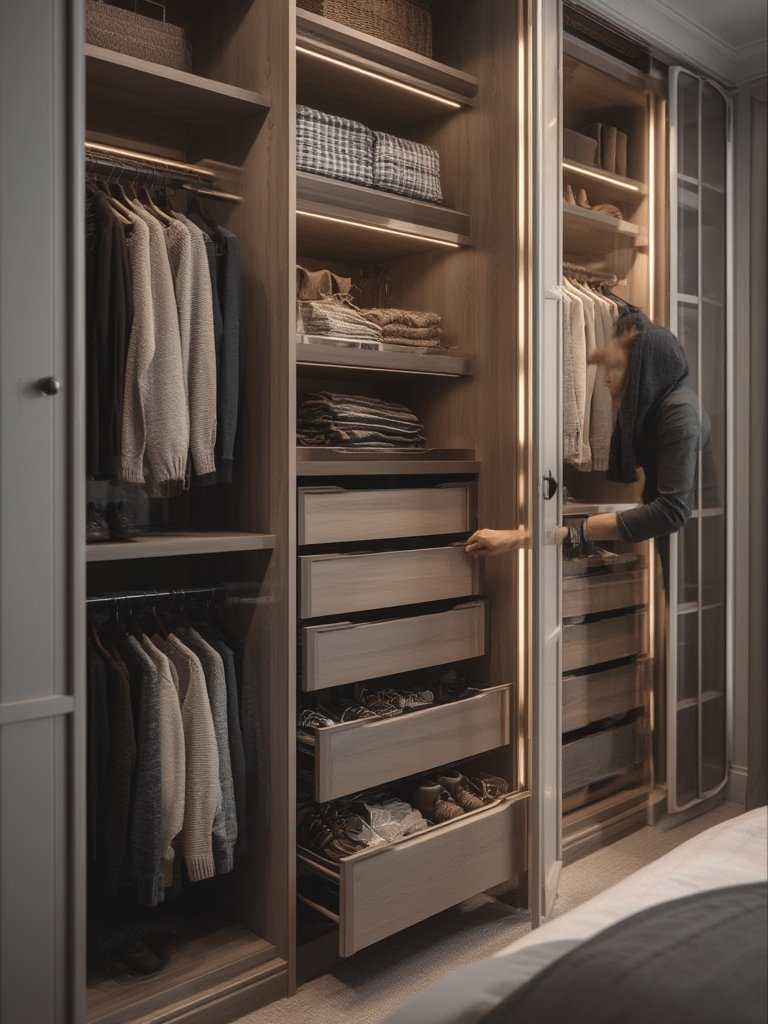
Step 6: Prep, Build, and Install
Clear the area, patch and level the floor if necessary, and lay out materials. Mark frame lines on the walls, build the base plinth, then install side/gable panels, top, and back where used. Add shelves, drawers, and rails per your plan. Fit the doors last, adjusting them for smooth operation. For a truly seamless look, caulk or scribe edges to walls and ceiling.
Want to explore more niche storage? See our guides to recessed wall shelves or under stair storage for creative built-in solutions.
Step 7: Finishing Touches & Safety Checks
Install soft-close drawers, interior lighting, or custom handles. In older homes, check walls for electrical wiring before drilling. For extra safety and durability, anchor all tall units to wall studs (in the US) or masonry (in the UK).
Advanced Analysis: Pitfalls and Real-World Costs
Understanding the real challenges and hidden costs in bedroom built-in wardrobe projects will help you avoid expensive mistakes:
Installation and Material Cost Breakdown
| Item | UK Typical Cost | US Typical Cost |
|---|---|---|
| Basic Flat-Pack or Modular Unit | £500+ | $1,000–$3,800+ |
| Bespoke/Custom Built-in | £2,000–£4,000 (avg) | $2,600–$10,500+ |
| Sliding Door Upgrade | £150–£350/door | $150–$450/panel |
| Extra Shelf/Drawer | £150 each | $60–$250 each |
| Labour (per day) | £200–£400 | $150–$500 |
| Electrical Adjustments | £150/socket | $10/sq ft |
References:
Homes & Gardens UK,
Simply Fitted Wardrobes,
Airtasker US
Common Pitfalls to Avoid
- Underestimating Storage Needs: Many buyers realize too late that they under-designed shelving or hanging space. Always plan for 10-20% more storage than you currently need.
- Ignoring Structural Issues: Built-ins require straight, sturdy walls. Old plaster or bowed walls can complicate installation—use scribe fitting or wall fillers, or consider a professional carpenter.
- Poor Door Choices: Mirrored and sliding doors look sleek but must be installed perfectly level. DIY attempts often result in sticking doors or rattles.
- Electrical Hazards: Hidden wiring or outlets where you plan to drill or anchor can be a major risk. Always check with a voltage tester before starting work.
- Lack of Ventilation: Completely sealed wardrobes may trap moisture. Plan for some airflow to prevent mold.
- Skimping on Materials: Cheap MDF is prone to warping or sagging over time—this saves money up front but reduces long-term durability.
Reality Check: DIY vs. Professional
- DIY works well for standard alcoves and flat-pack options, saving you £500+ or $800+ in labour fees. However, complex fits, custom doors, and premium finishes almost always require specialist tools and expertise.
- Professionals usually quote for design, supply, and installation—ask for a detailed breakdown so you can compare apples to apples. Expect designs to take 1–2 days (labour rates higher in major cities).
Looking for more built-in inspiration, see our resources on pantry built-ins and home office storage.
Conclusion & Next Steps
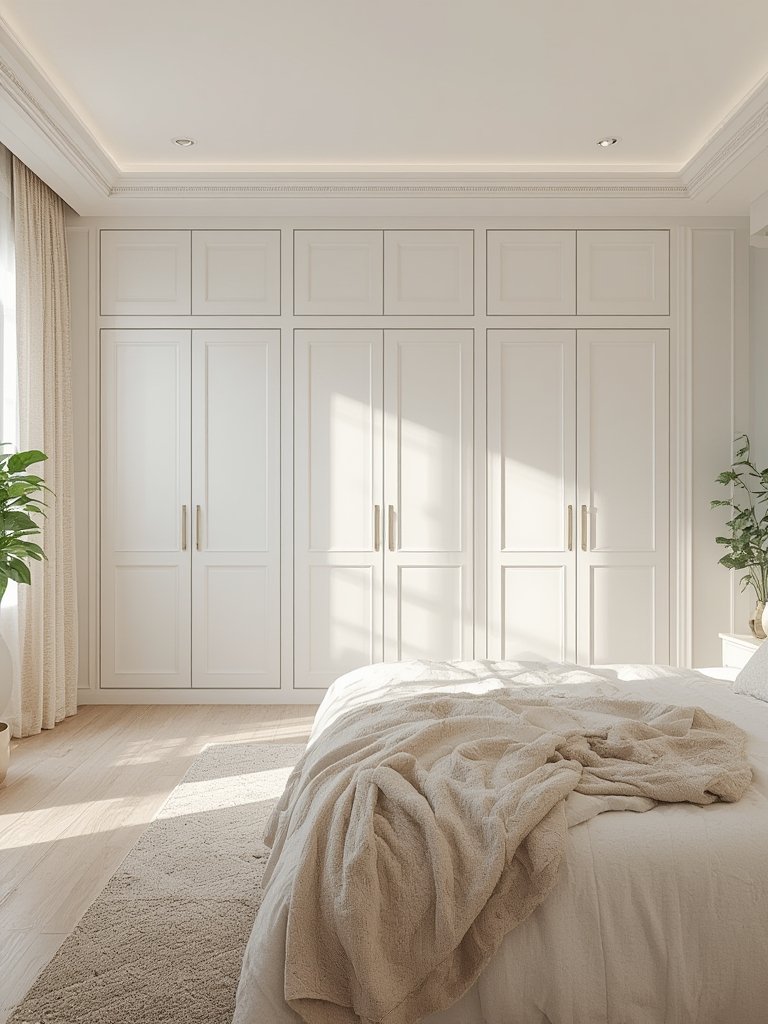
Investing in a bedroom built-in wardrobe transforms your storage capacity, tidies your space, and lifts property appeal. With rising costs in both the UK and US, it’s more important than ever to plan with precision, choose the right features, and balance DIY ambition with knowing when to hire a pro. Ready to take action? Decide your must-have features and start comparing quotes today to make your bedroom built-in wardrobe vision a reality.
FAQs
How much space do I need for a bedroom built-in wardrobe?
Most built-in wardrobes need a minimum depth of 600mm (about 24 inches) to fit standard hanging rods and doors. Measure the width and height available, accounting for baseboards or ceiling slopes.
How long does installation take?
Professional installers usually complete a standard built-in wardrobe in one to two days. Complex designs with lighting or custom carpentry may take longer.
Are sliding or mirrored doors worth the extra cost?
Sliding and mirrored doors cost more but save space, create a modern look, and bounce light around the room. However, ensure high-quality track systems to prevent future sticking or wobbling.
Can I install a built-in wardrobe myself?
DIY is possible for off-the-shelf flat-pack units, especially for straightforward alcoves or walls. For custom fits, awkward shapes, or premium finishes, hiring a pro is strongly recommended for a seamless result.
Will a built-in wardrobe increase my home’s value?
While many buyers view built-in wardrobes as a premium feature, there’s no guarantee of a direct value increase. They do, however, improve visual appeal and storage—features that attract buyers.