

### Blog Post:
Closet built-in organizer systems are the secret to turning cluttered closets into highly functional, beautiful storage spaces—whether you DIY or hire a pro, getting it right saves time, stress, and money.
Key Takeaways
- Installing a closet built-in organizer costs $400–$5,000 depending on type, size, and DIY versus professional install.
- Most articles miss the real-world differences between DIY and custom installs, technical durability specs, and honest pain points.
- Choose your organizer style and material carefully—quality, accessibility, and user experience vary much more than most guides admit.
- What Is a Closet Built-In Organizer and Why Bother?
- How to Plan and Install a Closet Built-In Organizer (Step-by-Step)
- Advanced Analysis & Common Pitfalls
- Conclusion
- FAQ
What Is a Closet Built-In Organizer and Why Bother?
A closet built-in organizer is a permanent or semi-permanent system of shelves, rods, drawers, and cubbies custom-fit to maximize every inch of your closet. These aren’t just wire racks or cheap hanging shelves. They’re designed to create dedicated zones for clothes, shoes, accessories, and more. You find built-in organizers for both reach-in and walk-in closets, using all the available vertical and horizontal space to bring order to what’s often the most chaotic area of a home.
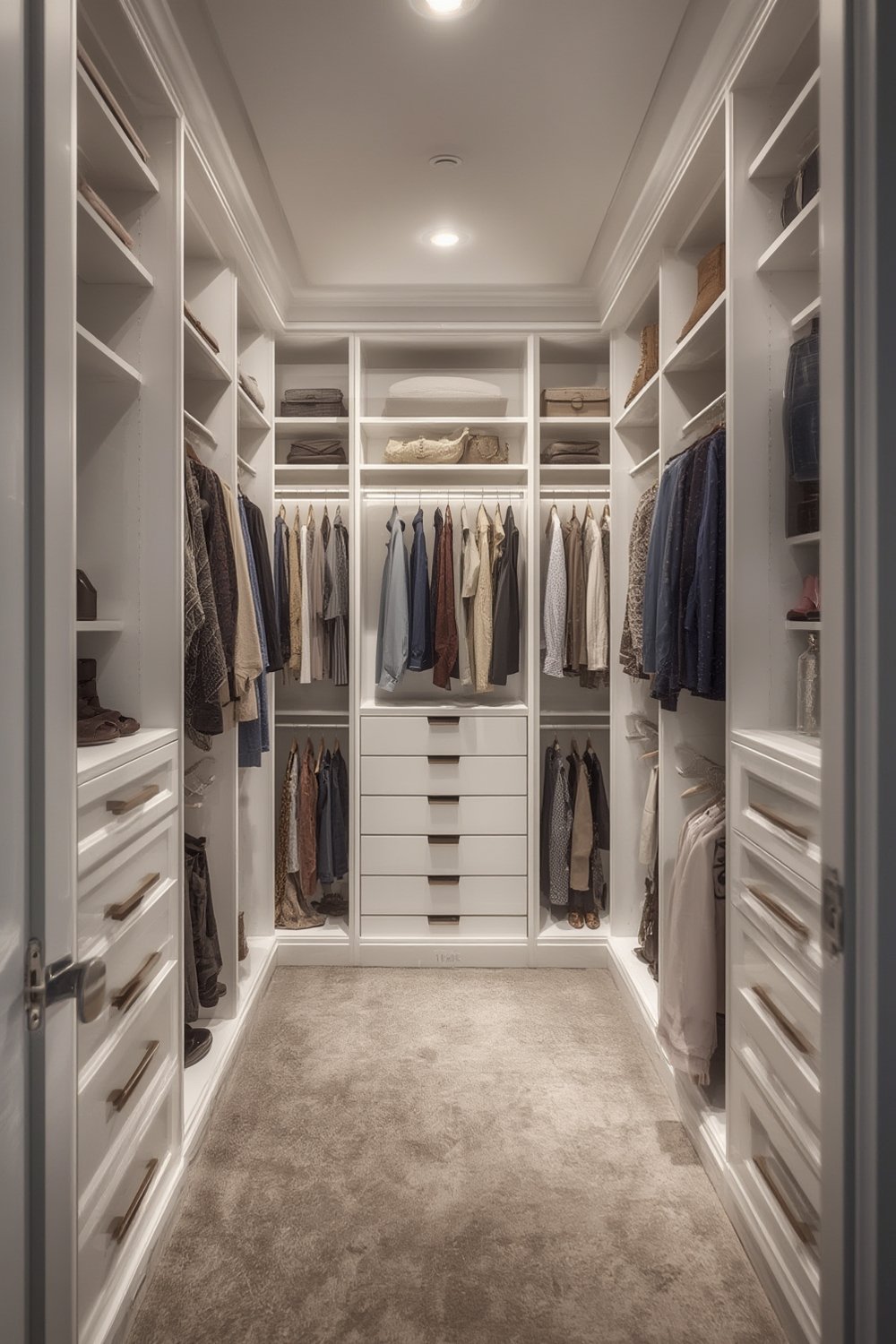
Why bother? An optimized closet organizer system means:
- Clothing and accessories stay visible and accessible, helping reduce morning stress and forgotten items.
- Every inch is used efficiently—no more dead space above, below, or beside your clothing rod.
- Quality built-ins boost property value and make homes more attractive to future buyers.
Modern systems range from basic prefab kits (under $500 for standard reach-ins) to custom designs running upwards of $5,000 for master closets. Labor adds $50–$200/hour if you hire a pro, with total averages around $1,544 (source). For a deep dive on product types and selection, see Best Closet Organizer Systems: 7 Best Picks to Maximize Storage Without Wasting Money.
How to Plan and Install a Closet Built-In Organizer (Step-by-Step)
-
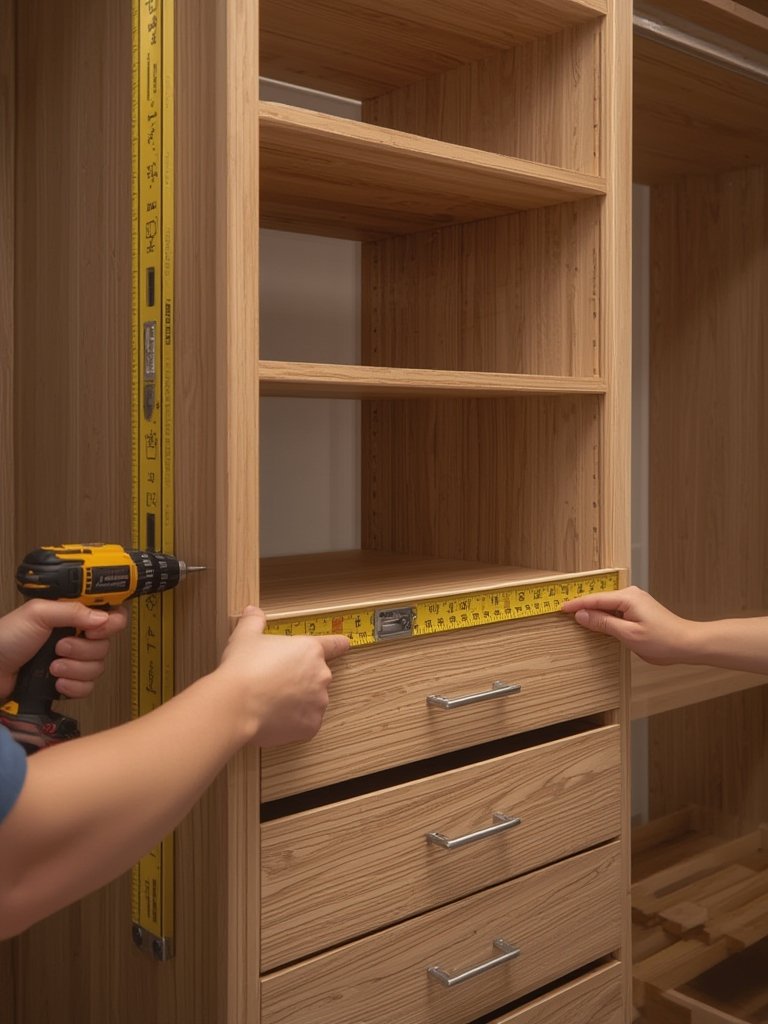
Measure Your Space
Get precise height, width, and depth. Note door swing, baseboards, outlets, and ceiling height. Round down for safety margins—organizers have less “give” than flexible shelves. -
List Your Storage Needs
How many pairs of shoes? Long dresses? Folded sweaters? Sketch your ideal mix of hanging, shelving, drawers, and cubbies. Check out expert planning tips on closet organizer systems as a sanity check. -
Decide DIY or Pro Install
- DIY: Use prefab kits ($400–$2,200), install with basic tools. Good for standard reach-ins and small walk-ins.
- Professional: Needed for built-ins with wall-anchored cabinetry, custom drawers, or nonstandard closets. Expect $1,000–$8,000+ for large walk-ins (source).
-
Choose Materials
Budget options: MDF/laminate. Upscale: real wood, glass, metal hardware, soft-close drawers. See real durability and price differences in industry cost guides. -
Demo & Prep
Remove old rods, shelves, or closet pole. Patch holes. Confirm wall studs—always anchor main supports for safety. -
Install Organizer
Follow instructions exactly. Assemble components, then level and screw uprights into studs. Add shelves, rods, drawers last—never overload during install. -
Finishing Touches
Install handles, closet lighting, drawer/damper upgrades, and surface-mount storage for accessories. Evaluate whether baskets or specialty shoe organizers will enhance usability. For hidden or seamless solutions, see advice at Concealed Storage Cabinet: 7 Amazing Ways to Achieve Seamless Storage and Window Seat With Storage: 7 Ways to Maximize Space.
For more tips on maximizing vertical and awkward closet space, see storage approaches in Modular Shelving System Guide or Recessed Wall Shelves: 7 Amazing Ways to Maximize Storage.
Advanced Analysis & Common Pitfalls
While built-in closet organizers sound foolproof, real-world challenges can derail projects or leave you disappointed. Here’s what you’re not told in most guides:
Typical Pitfalls and Problems
- Hidden Material Differences: Most top articles gloss over durability. Real wood and thick particleboard last far longer than thin MDF or wire—but details like thickness, edge banding, or reinforced brackets are rarely listed.
- Painful Install in Old Homes: Wall studs are unreliable in older homes and can complicate anchoring. If you have plaster, brick, or offset studs, professional help may be required.
- DIY Cost Overruns: Prefab kits often seem affordable until you add trim, drawer hardware, filler panels, and specialty storage. Shipping for long parts can add $100+ each way. Extra tools may not be included.
- Outgrowing Narrow Designs: Reach-in organizers solve only current needs. Many users outgrow basic “one rod, one shelf” solutions quickly, leading to regret and costly upgrades.
- Lack of Honest User Feedback: There’s little survey or review data on real pain points. One major concern for users is drawers jamming, low-weight capacities, or designs that make upper sections hard to reach for shorter users—but this isn’t discussed in most industry content.
- ROI and Resale Data Lacking: There’s no consistent data on how much value a built-in organizer adds to your home. One source estimates 15–25% more usable space (source), but dollar value is unclear.
| Feature | Basic/Prefab System | Custom Pro System |
|---|---|---|
| Cost | $400–$2,200 (DIY) | $1,500–$5,000+ |
| Material Quality | MDF, wire, thin laminate | Thick ply, real wood, glass, soft-close hardware |
| Installation | Self-install (basic tools) | Pro assembly required |
| Durability/Weight | Lower, can bend/sag | High, designed to last |
| Customization | Limited sizing/options | Fully custom, fits any space |
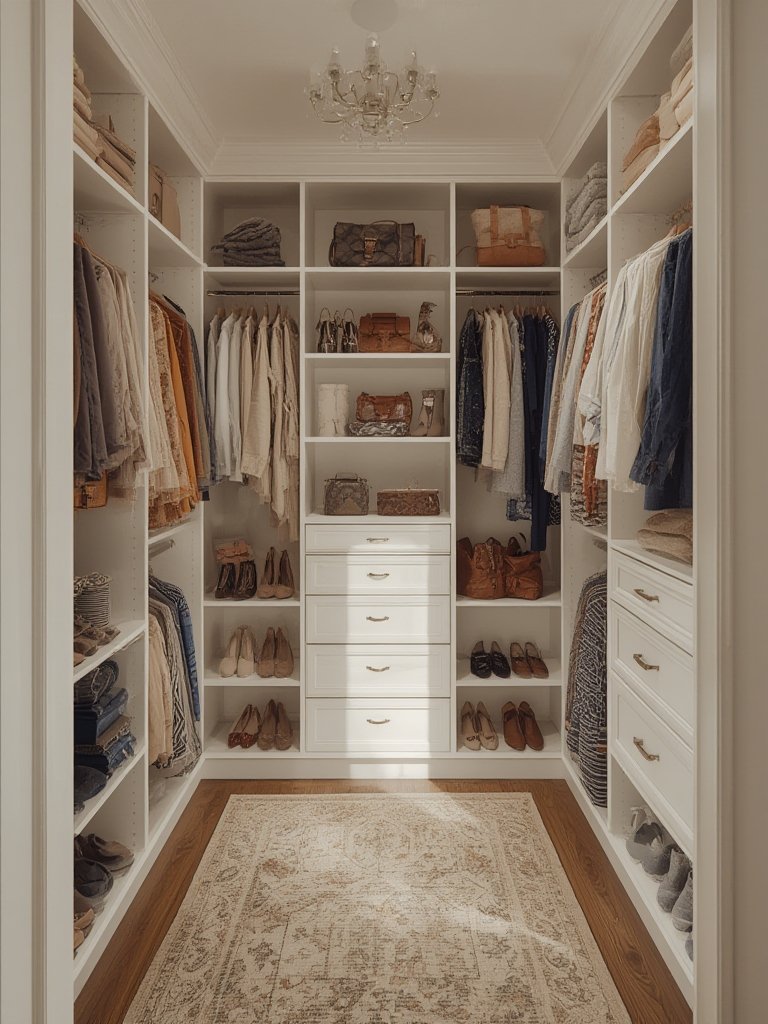
Looking for other high-impact built-in ideas for tight spaces or unusual storage needs? Explore solutions like Under Stair Storage Built-In: 9 Amazing Ways and Built-In Pantry Cabinet: 7 Best Ways To Maximize Storage.
Conclusion
A thoughtfully designed closet built-in organizer not only increases usable storage but makes your everyday routine smoother and less stressful. Choose your system carefully—compare real specs, not just surface finishes, and factor install method and long-term durability into your decision. While upfront cost can be high, a well-chosen organizer almost always improves daily life.
Ready to create a smarter, neater space? Start planning your next closet built-in organizer project today and see how much happier your home can feel. For more in-depth design ideas and honest buying guides, check out our other DIY built-in projects.
FAQ
How much does a closet built-in organizer cost in 2024?
Prefab DIY systems range from $400–$2,200. Professionally installed and custom-built organizers may cost $1,500 to over $5,000 depending on closet size, features, and materials. See recent cost ranges at HomeAdvisor.
What’s the toughest part of installing a closet built-in organizer yourself?
Accurately finding and anchoring to studs is the single most challenging part. Leveling and solidly securing every main upright is critical for safety and long-term durability.
Are custom wood organizers worth the extra cost over prefab kits?
If you want maximum durability, elegant finishes, soft-close drawers, or have an odd-sized space, custom wood organizers are worth the premium. For standard closets or those on a budget, prefab can be a smart option if installed correctly.
Can you increase home value with a closet built-in system?
The data is unclear. There’s proof custom organizers increase usable space by 15–25%, but no consistent evidence of direct dollar-for-dollar home value boost. Organizers may help your home stand out when selling, though.
What’s one built-in closet organizer feature most buyers regret skipping?
Soft-close drawers and adjustable shelves are overwhelmingly praised when included and sorely missed if omitted—especially for high-traffic master closets or kids’ rooms.