

### Blog Post:
Recessed wall shelves are a top renovation trend for maximizing living room storage without crowding floor space. If you want a streamlined, built-in look, but worry about cost or DIY complexity, you’re not alone. Here’s exactly what you need to know—costs, realistic steps, mistakes most guides miss, and actionable tips for flawless results.
Key Takeaways
- Average costs for recessed wall shelves range from $21.67 to $33.48 per linear foot installed, but DIY is possible for under $100 in materials.
- Most guides ignore safety, insulation, and structural limits—these can make or break your project.
- Plan ahead to avoid common mistakes like missed studs, bad drywall cuts, and overloading shelves.
- What Are Recessed Wall Shelves?
- Step-by-Step Guide: How to Build Recessed Wall Shelves
- Advanced Analysis & Common Pitfalls
- Conclusion
- FAQ
What Are Recessed Wall Shelves?
Recessed wall shelves (sometimes called built-in alcove shelves or wall niches) are storage or display shelves set flush within an interior wall so they don’t project into the room. Unlike surface-mounted shelves or floating designs, they’re framed into a cavity between wall studs, offering a permanent, seamless look that many luxury homes now feature in living rooms, bathrooms, and hallways. This approach saves floor space, reduces dust-trapping ledges, and elevates the architectural feel of a room.
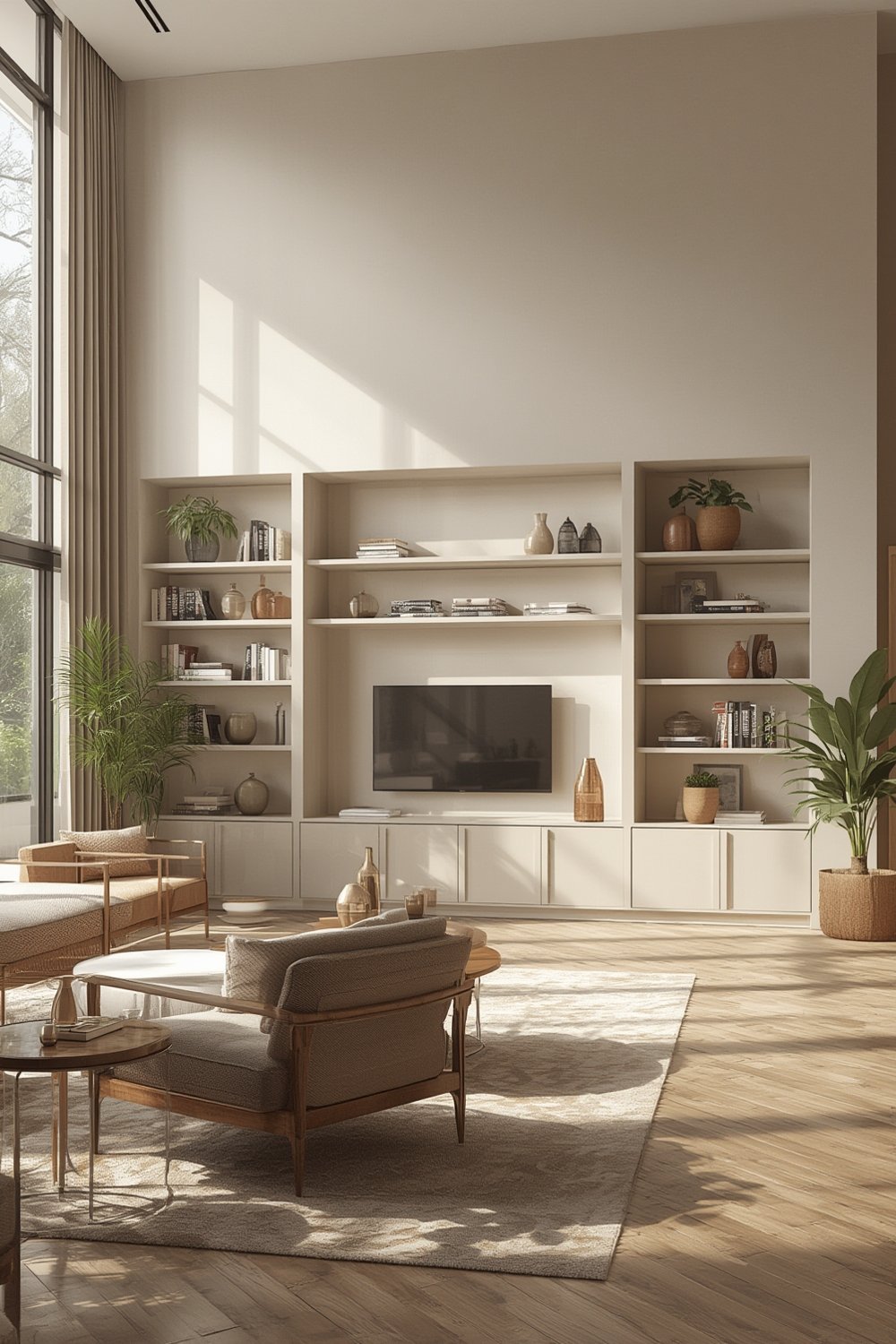
Most people choose recessed wall shelves to:
- Display decor, books, or artwork without taking up valuable floor area
- Create a “built-in” effect that makes small rooms feel bigger
- Reduce clutter and unused wall space
Installing these shelves is more involved than buying premade floating shelves, but the clean lines and efficient storage can be worth the effort. And yes, you can absolutely do it as a DIYer—if you plan, measure, and cut carefully.
If you’re also interested in maximizing closet space, check out the best closet organizer systems for pro-level results.
Step-by-Step Guide: How to Build Recessed Wall Shelves
Ready to tackle a DIY installation? Here’s an actionable guide, based on the best up-to-date resources and our experience.
- Step 1: Plan and Measure. Choose your wall—inside walls without plumbing are safest. Mark stud locations with a stud finder and decide your shelf width. Standard distance between studs is 16 inches but check your specific wall.
- Step 2: Remove Drywall Panel. With a pencil, outline your shelf opening, keeping clear of outlets and switches. Carefully cut the drywall using a utility knife and then a drywall saw, staying inside the pencil lines for a tight fit.
- Step 3: Install Shelf Framing. Cut 1×4 boards to fit horizontally between the studs—these act as supports at the top and bottom of the cavity. Attach using a nail gun or screws.
- Step 4: Mount the Bottom Shelf. Place a 1×10 or 1×12 board on the bottom and fasten to framing and studs.
- Step 5: Add Additional Shelves. Position your middle and top shelves, ensuring they’re level and anchored at the sides for strength. Add extra 1×4 blocking behind shelves for added support if you plan to store heavy items.
- Step 6: Trim and Molding. Attach 1x4s vertically to cover the raw stud faces at the front edge. Use square molding to cover cut drywall edges. Finish with caulk for seamless edges.
- Step 7: Prep and Paint. Fill nail holes, sand smooth, prime, and paint your shelves for a built-in look. Use quality paint for lasting results.
- Step 8: Style and Load. Once dry, style your shelving with decor or books—but don’t overload. See next section for load considerations.
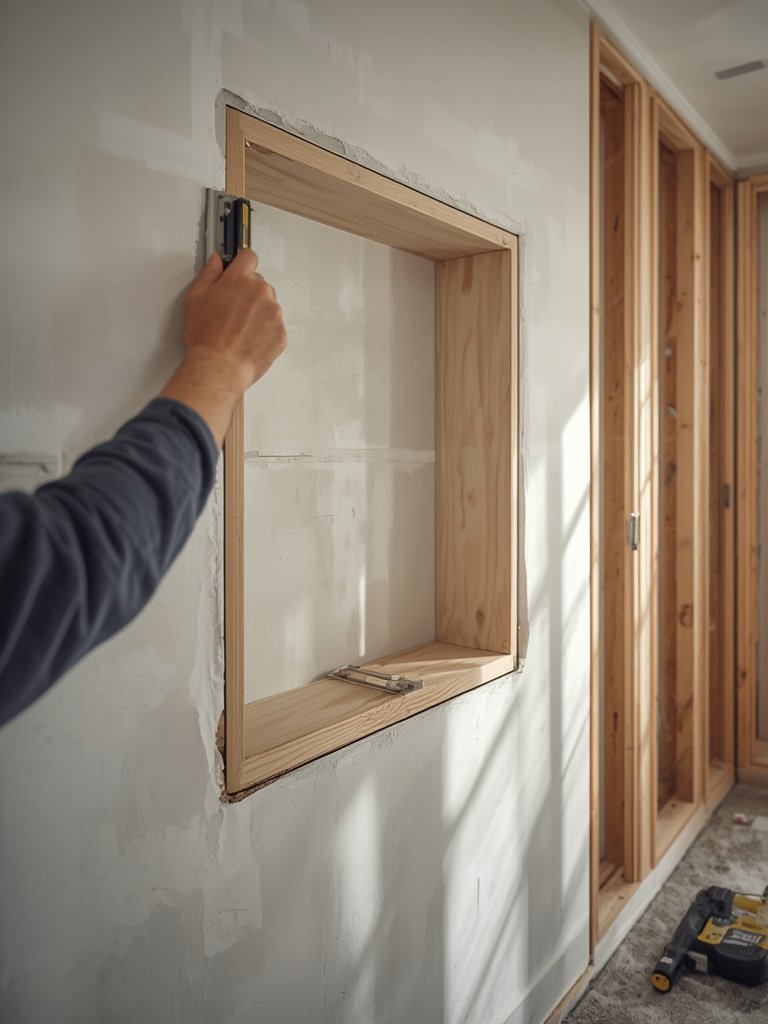
Materials (typical DIY, 1-2 shelves):
- 1×4 lumber (pine or poplar for framing/trims)
- 1×10 or 1×12 shelf boards
- Drywall saw and stud finder
- Nail gun or drill/screws
- Trim molding
- Wood filler, sandpaper, primer, paint
Estimated cost: $73.65 to $100 (materials only). See this DIY cost breakdown.
If the wall is load-bearing or contains wiring, consider hiring a professional. Pro installs average $21.67 to $33.48 per linear foot, per Homewyse cost guides. Prefab shelf installs range from $125–$400 plus materials (Home Depot services).
For more creative built-in shelving, see our ideas for modular shelving systems.
Advanced Analysis & Common Pitfalls
Many guides skip the real-life obstacles and hidden costs of building recessed wall shelves. Here’s what you should know so you don’t waste time or ruin your walls.
| Potential Issue | DIY Recessed Shelves | Floating/Surface-Mount |
|---|---|---|
| Wall Risks | Cutting hidden wires, plumbing, or weakening load-bearing walls if not careful. | Mounted on drywall, but less invasive—still need to avoid hitting pipes/wires. |
| Structural Load | Limited by stud spacing, shelf length, and weight capacity. No published standards in most guides. | Brackets usually limit heavy storage, but rated for load. Specs available for bracket hardware. |
| Fire Code & Insulation | May compromise fire-rated walls; insulation might be reduced where cavities are removed for shelves. | No effect. |
| Finish & Durability | Paint damage and scuffing over time. Harder to repair than replacing prefab shelves. | Easy to replace or refinish. Usually not as seamless as recessed builds. |
| Cost | DIY: $73.65–$100 (materials), Contractor: $21.67–$33.48 per foot High-end: $888+ (see cost breakdown) |
$72.33–$176.33 per unit (source) |
| Common Mistakes | Missing studs, ragged drywall cuts, shelves not level, choosing walls with vents or wiring, skipping primer so paint chips easier. | Failing to anchor brackets securely; shelves tilt or fall. |
Other Pitfalls:
- Few guides address the difference between surface-mount and true recessed designs—be sure to use a guide specific to wall-niche projects, not generic shelf installation.
- No major online sources in 2024 address safety, long-term durability, or insulation loss for recessed wall shelves. Consider these issues yourself before demo work.
- User reviews on durability and daily cleaning are lacking, so be ready to do some touch-up paint or recaulking every few years, especially if your shelves take a beating.
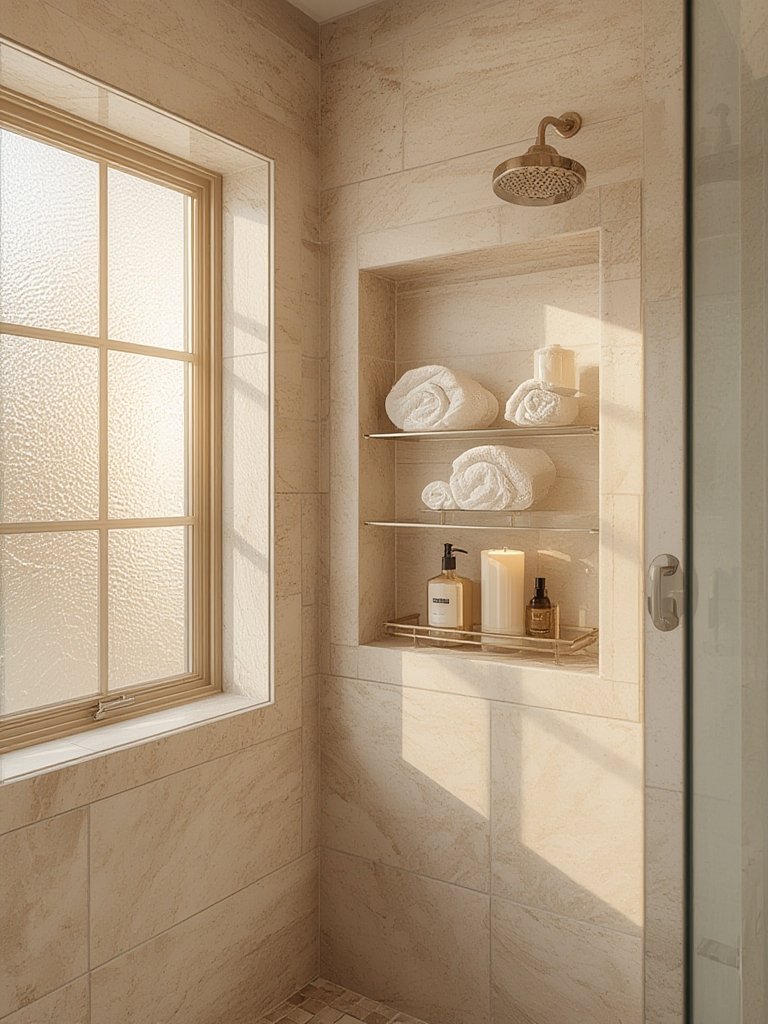
Want even more storage? Take a look at concealed storage cabinet options for a seamless solution, or pair your shelves with a window seat with drawers for living room coziness.
Conclusion
Recessed wall shelves provide a functional, streamlined storage boost for any living room, but DIY installs demand planning, the right tools, and attention to safety. Know your wall structure, estimate costs (from $21.67 per foot installed or $100 in materials DIY), and avoid common mistakes to enjoy built-in results for years. Now you have the practical, research-driven guide to make your recessed wall shelves project a success—start planning your upgrade today!
Looking for more built-in ideas? Explore clever under-stair storage with our under stair storage built-in guide.
FAQ
How much does it cost to install recessed wall shelves in 2024?
Professional installation typically runs from $21.67 to $33.48 per linear foot, with basic DIY materials totaling $73.65 to $100 for a small project. Larger, premium woodwork or contractor markup can push costs above $800 for a full niche feature wall. See cost details.
Which walls are best for recessed shelves?
Choose interior, non-load-bearing walls without plumbing, electrical wiring, or HVAC. Use a stud finder and inspect for obstructions before cutting. If unsure, get pro advice or consider modular shelving instead.
What’s the difference between recessed and floating shelves?
Recessed shelves are built into the wall cavity for a flush finish; floating shelves mount on the surface with hidden brackets. Recessed shelves are more permanent but require more work, while floating units are easier to swap out or update.
Is it safe to DIY recessed shelves?
It’s safe if you properly locate studs and avoid walls with electrical or plumbing. Skipping these checks risks major repair costs. When in doubt, hire a licensed contractor or start with a modular or hidden bracket floating shelf instead.
How do I make sure my recessed shelves are level and strong?
Use a spirit level during framing and when installing each shelf. Anchor shelf framing with screws into studs or blocking. For heavy loads, reinforce shelves with extra bracing behind the drywall cavity.
—