

### Blog Post:
Under stair storage built-in solutions are one of the smartest ways to maximize unused space in any home, especially as the demand for more efficient storage options keeps growing. Whether you want hidden drawers, a neat bookshelf, or a compact home office, the area under your stairs has serious potential—if you know what to expect and how to design it right.
Key Takeaways
- Under stair storage built-in projects maximize hidden space and add real practicality to your home’s layout.
- Designing and installing built-ins under stairs requires careful measuring, creative thinking, and attention to common pitfalls like moisture, access, or durability.
- With step-by-step planning and thoughtful execution, you can create an elegant reading nook, hidden pantry, or sleek drawers—whatever fits your needs best.
- What Is Under Stair Storage Built-In and Why Does It Matter?
- How to Design and Build Under Stair Storage (Step-by-Step Guide)
- Advanced Analysis, Pitfalls, and Problems to Watch For
- Conclusion
- Frequently Asked Questions
What Is Under Stair Storage Built-In and Why Does It Matter?
Under stair storage built-in refers to the use of the awkward, often-unused space below your staircase by turning it into purposeful storage solutions such as cabinets, shelves, pull-out drawers, pantries, or even cozy reading nooks. If you’re short on square footage, these creative installations add real value to any home—both functionally and visually.
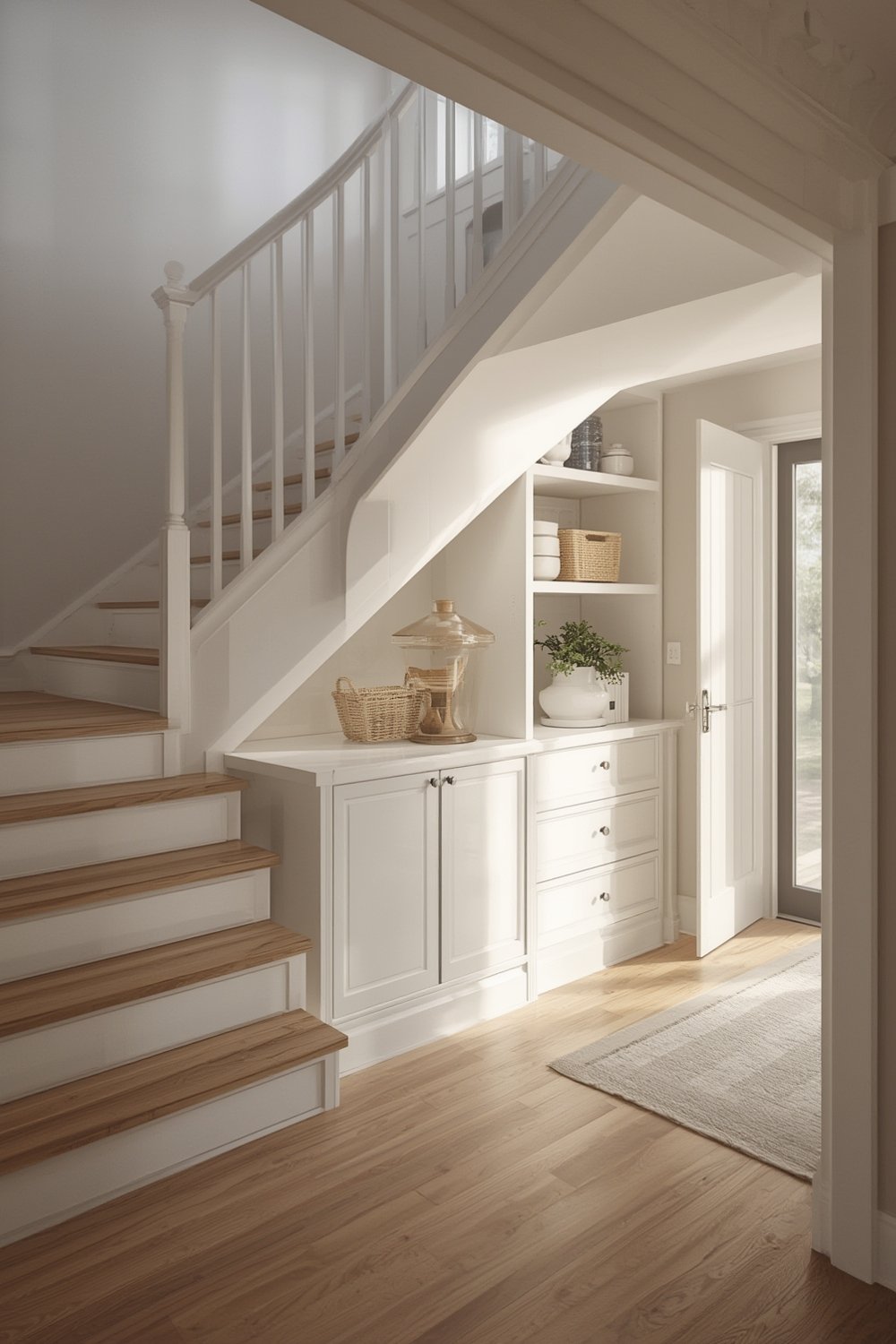
Most modern homes waste the under-stair cavity, either sealing it off or leaving it as a dusty no-man’s-land. But when remodeled with custom storage, you unlock a “hidden closet” for everything from winter coats and holiday decor to brooms, books, or your kids’ schoolbags. Not only does this boost everyday storage, but it also streamlines your routines—especially if you combine it with other clever closet organizer systems or living room shelving ideas.
Why is there so much interest now? Remodeling spending on home storage—including closets, nooks, and under-stair solutions—is projected to hit $524 billion by 2026, a record high according to industry data. Today’s homeowners want efficiency, minimal wasted space, and built-ins that actually solve problems, not just look pretty.
How to Design and Build Under Stair Storage (Step-by-Step Guide)
Ready to turn that dusty cavity into a tidy storage system that truly fits your needs? Here’s how to do it from idea to finished project.
- Assess Your Needs and Map the Space
- Decide what you want to store: shoes, books, cleaning supplies, pantry food, or even a small home office setup.
- Draw the area to scale on graph paper. Mark doors, stairs, outlets, and any vents or obstacles. Most under stair voids are triangular—think about how that affects usable height and access.
- Pick a Storage Style
- Drawer banks: pull-out drawers for shoes, files, or seasonal gear.
- Shelving units: open for books or closed for clutter—great for “bookshelf wealth.” (See built-in bookcase ideas.)
- Bespoke cabinets with doors: hides everything away for a streamlined look.
- Pantry or wine rack: great for stairs near the kitchen.
- Cosy nook: add a bench, cushions, and lighting for a secret reading corner.
- Design the Details
- Consider how doors will swing open (or use lift-up/pull-out systems for tight hallways).
- Choose finishes and hardware that match your existing decor. Think soft-close hinges, easy-to-clean surfaces, and child-safe options.
- Plan lighting if needed; under-stair spaces can get dark.
- Ventilation is wise for pantries or mudrooms—prevents musty smells.
- Budget and Source Materials
- There’s no standard “kit”—most under stair built-ins are custom, so costs vary widely.
- DIY can save on labor but requires solid carpentry skills. If hiring a pro, get detailed quotes on cabinet construction, finish carpentry, electrical work, and painting.
- For ballpark reference, stair lift installations run $2,000–$15,000 (different project but similar site access limits—see Consumer Affairs report).
- Build or Install
- Order or cut materials and pre-assemble as much as possible.
- Check the area for moisture issues before you close it up—use mildew-resistant finishes if needed.
- Install anchoring supports securely; most stairs can hold significant weight, but always confirm structure and fastener ratings. When in doubt, consult a contractor experienced in built-in cabinetry or small-space renovations.
- Style and Organize
- Use adjustable organizers, baskets, or bins for flexibility and neatness.
- Add labels or clear-front drawers so items don’t get lost in deep cubbies.
- Consider features like hidden power outlets if building a home office or charging station. For kitchen stairs, see appliance storage tips for keeping electronics out of sight.
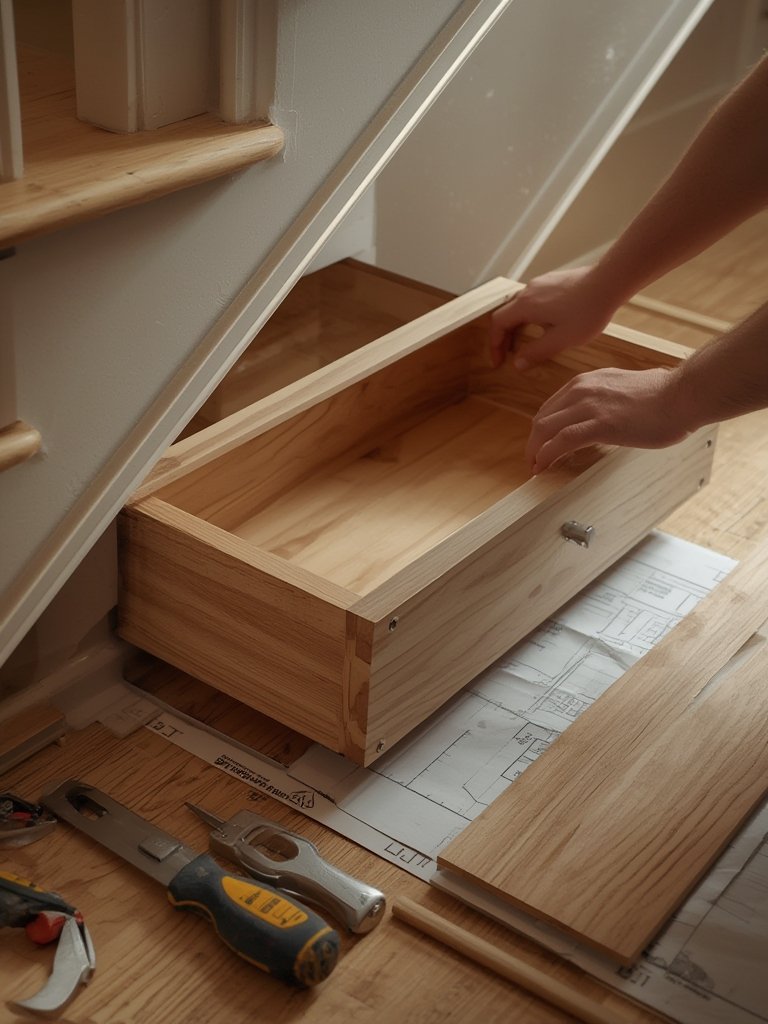
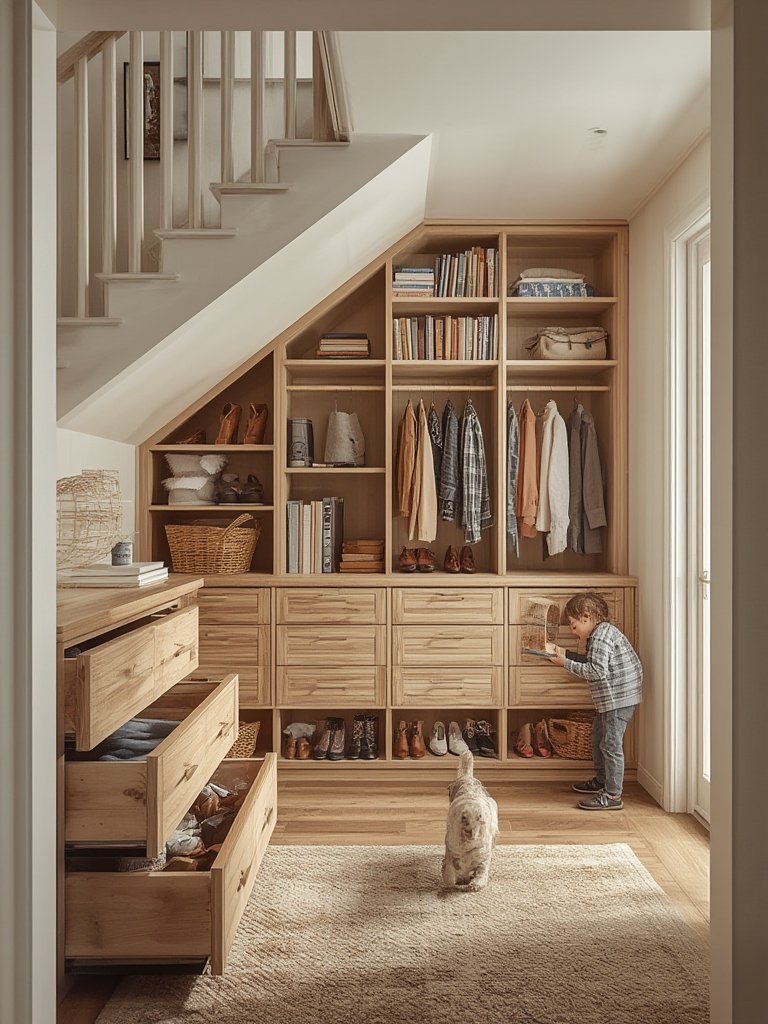
The result can be anything from a slick, handle-less wall of cabinetry to a stylish open bookcase or even a mini-mudroom bench. Don’t hesitate to combine solutions: drawers on the bottom tier, shelving above, and a nook on the deepest, tallest part are all possible in the same staircase footprint.
Advanced Analysis, Pitfalls, and Problems to Watch For
Designing an under stair storage built-in has some real challenges—not every staircase is a perfect candidate. Here’s what to watch out for, plus proven solutions.
| Common Issue | Description | How to Avoid |
|---|---|---|
| Moisture or Mold | Closed cavities can trap moisture, causing musty smells and even mold, especially in older houses or basements. | Inspect before you build; use sealant paint, and add air vents if converting to a pantry or mudroom. |
| Accessibility | Drawers or cabinets set too deep or too low can be hard to access, especially for seniors or in homes with mobility issues (17% of households report stairs as a major disability challenge—see Consumer Affairs). | Opt for pull-outs on full-extension runners, open shelving, or sliding doors for tight spaces. Leave knee clearance for benches or nooks. |
| Poor Structure / Overloading | Not all staircases are designed to support heavy built-ins. Cheap fasteners or poorly anchored units can bow, sag, or pull away. | Use heavy-duty wall anchors and confirm load capacities. If in doubt, upgrade framing or hire a pro. |
| Awkward Angles | Triangular spaces limit cabinet door swing and full use of depth, leaving wasted zones behind walls or drawers. | Incorporate open cubbies at tight corners or opt for custom-built shelves with adjustable heights. |
| Building Code Issues | There’s no universal code for under-stair storage, but in some states/multifamily dwellings, stair modifications may affect fire escape routes. California, for example, must comply with multi-stair requirements in tall apartment buildings. (CalMatters) | Always check local building codes before starting, particularly if converting a closet or adding doors that could block egress. |
| Cost Surprises | Unlike closet organizers, there’s no standard kit for under stair built-ins. Custom carpentry and design often mean higher-than-expected labor costs. | Request detailed quotes in writing and itemize material vs labor costs. DIY if you have carpentry skills, but factor in time and tool costs. |
With the popularity of statement staircases and integrated built-ins expected to rise over the next few years (Realtor.com), the payback for a well-planned project—both in space and home value—can be significant. Still, careful planning and knowing what to avoid are crucial for a hassle-free upgrade.
Conclusion
Done right, under stair storage built-in projects transform awkward emptiness into some of the most functional real estate in your home. Attention to measurement, creative design, and respect for the quirks of your individual staircase are critical. Stay realistic about what you need to store—and what you’re willing to spend—and you’ll turn those lost corners into a true asset.
Ready to unlock your home’s full potential? Take the first step: measure your stairs, sketch your dream storage, and check out systems like closet organizer systems or kitchen appliance garages for more space-saving inspiration. The under stair storage built-in you design today could solve your clutter problem for good.
Frequently Asked Questions
Is under stair storage built-in a DIY project or do I need a pro?
If you have strong carpentry skills, accurate tools, and patience, a DIY approach can work—especially for open shelving. Custom drawers or cabinets often require professional precision to fit awkward angles and ensure durability. Complex installations (like adding power or lighting) should involve a pro.
How do I keep under stair storage dry and mold-free?
Before installing any built-ins, inspect for leaks or dampness. Use moisture-resistant finishes and paints. In humid homes or basements, add small air vents and regularly check for musty odors or condensation. Avoid sealing the cavity too tightly if storing pantry goods or gear.
What’s the minimum space needed for under stair storage?
No fixed rule—but a minimum depth of 18-24 inches and at least 36 inches of clear width are preferred for practical storage. Even smaller cavities can fit open cubbies or slim drawers, especially in older or compact homes.
Do under stair built-ins add value to my home?
Yes. Efficient, attractive built-ins not only maximize square footage but are also a major appeal for future buyers—especially if executed to a high standard and styled with modern features. Home storage projects, including under-stair solutions, are a key driver in the growing renovations market.
Can I add electrical outlets or lighting to under stair storage?
Absolutely, but use a licensed electrician for any electrical work. Integrated LED lighting strips or hidden outlets make reading nooks and charging stations much more useful. Always follow safety codes and local building regulations.