

### Blog Post:
Mudroom built-ins are one of the smartest ways to transform messy entryways into hardworking, organized spaces. Whether you want boots and backpacks off the floor or a faster morning routine for everyone, the right setup makes all the difference. But before you invest in custom lockers, storage benches, or modular cubbies, it’s crucial to understand what works—and what doesn’t—based on today’s market data and real homeowner experiences.
Key Takeaways
- The market for mudroom built-ins and custom entryway storage is growing fast—driven by U.S. remodeling demand and a shift toward organized, multipurpose spaces.
- Durability, customization, and maximizing every inch are top priorities. Key regrets often relate to missed add-ons, improper sizing, or lack of charging/tech features.
- Choosing between RTA (Ready-To-Assemble) and custom cabinetry impacts installation time, cost, and final usability. There are few enforced building codes, so careful planning and quality installation are essential.
- Mudroom Built-Ins: What They Are and Why They Matter
- How to Plan and Install Mudroom Built-Ins (A Realistic Guide)
- Advanced Analysis & Common Pitfalls (2026 Data)
- Conclusion
- FAQ
Mudroom Built-Ins: What They Are and Why They Matter
Mudroom built-ins take the chaos out of entries and back doors by incorporating permanent or semi-permanent storage that fits your family’s real-life routine. Unlike freestanding furniture or baskets, built-ins can include benches with cubbies, lockers with hooks, tall cabinets, or even integrated coat storage designed exactly for your needs. The goal? To maximize storage for jackets, bags, shoes, sports gear, and seasonal items—so your home stays clutter-free.
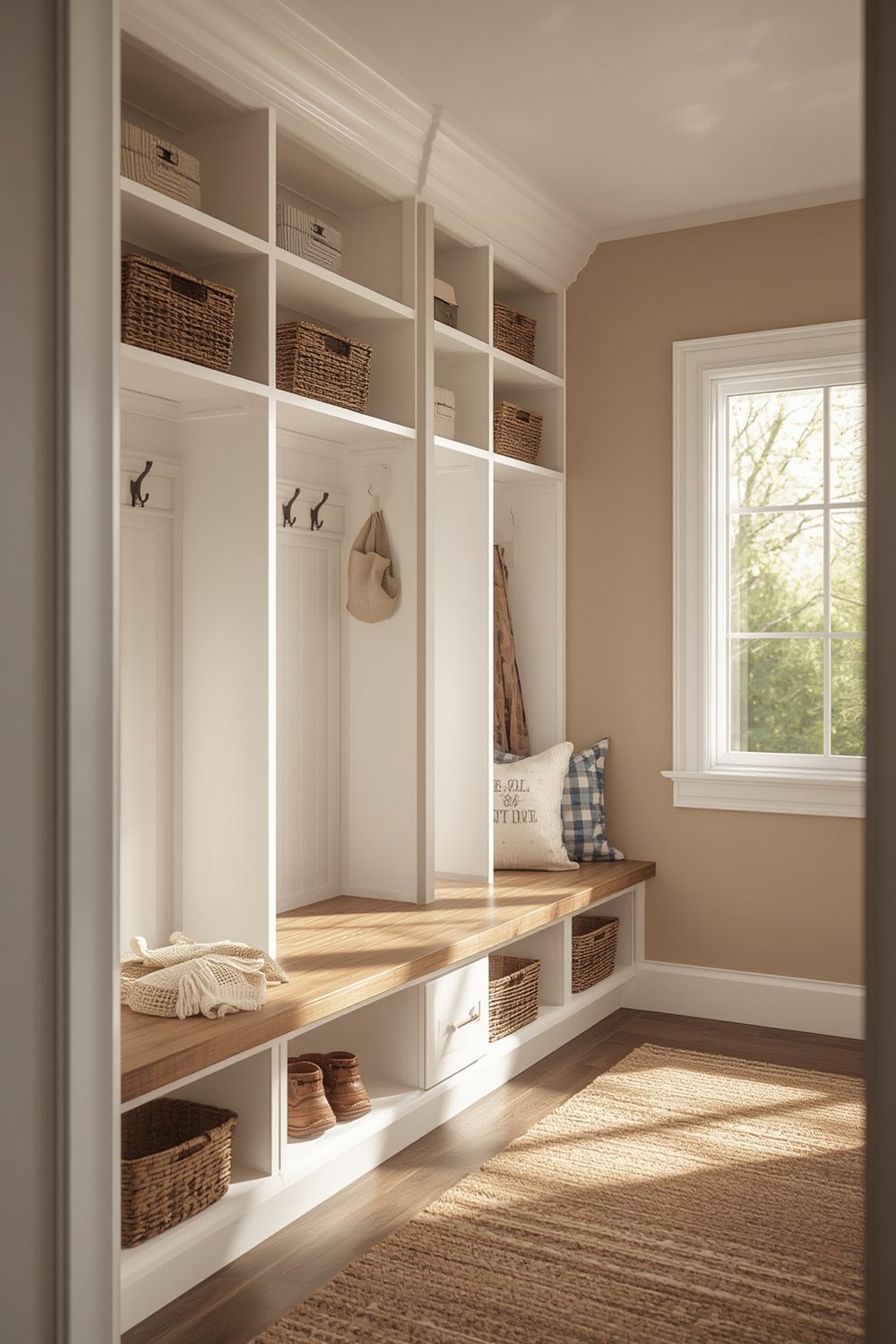
Demand for mudroom built-ins is soaring. In the U.S., the residential cabinet market (which includes mudroom and entry storage) hit $37.5 billion in 2023 and will likely climb to $51.48 billion by 2029, fueled by remodeling and a universal need for better organization. Modular storage units—now a $2 billion+ market—are especially popular for their adaptability and DIY appeal (BusinessWire Report, Mordor Intelligence).
If you want seamless, tailored entryway organization, mudroom built-ins outperform rolling racks or stacked shoe trays. This approach is also popular for optimizing awkward layouts, adding home value, and increasing daily function.
Related: For other smart home storage ideas, see our guide to the best closet organizer systems for closets of every size.
How to Plan and Install Mudroom Built-Ins (A Realistic Guide)
Ready to tackle your own mudroom built-ins? Whether you’re hiring a pro or going the DIY route, here’s a clear, actionable process to make it work—based on real-world, 2026 data.
- Assess Your Entryway and Set Priorities.
- Measure wall lengths, depth, and ceiling height. Check door swings and outlets. List what you need to store: coats, boots, bags, sports gear, small electronics, keys, pet supplies.
- Decide Custom vs. Modular vs. RTA (Ready-To-Assemble).
- Custom cabinetry is built to fit and suits older or unique homes, but costs more and takes longer.
- RTA and modular units are affordable, quick to install, and increasingly customizable—2026 stats show RTA cabinets are the fastest-growing segment for DIY homeowners (ResearchandMarkets.com).
- Think about whether you need closed storage (lockers, cabinets) for looks or open cubbies for easy access.
- Sketch Your Layout and Choose Features.
- Draw the elevation (wall view) to plan cubby size, bench height, and hook placement. Consider outlets, shoe drawers, hidden charging, or bag zones.
- Align finishes and colors with adjacent rooms—painted wood, laminate, or even powder-coated metal are popular for 2026.
- Order Materials or Hire a Pro.
- If custom, get quotes from cabinetmakers (materials, labor, possible timeline delays).
- For modular or RTA, double-check measurements before ordering.
- Materials span plywood, MDF, solid wood, or composite. There’s no one-size-fits-all—choose based on price, durability, and your home’s humidity/traffic.
- Install Carefully—Don’t Rush.
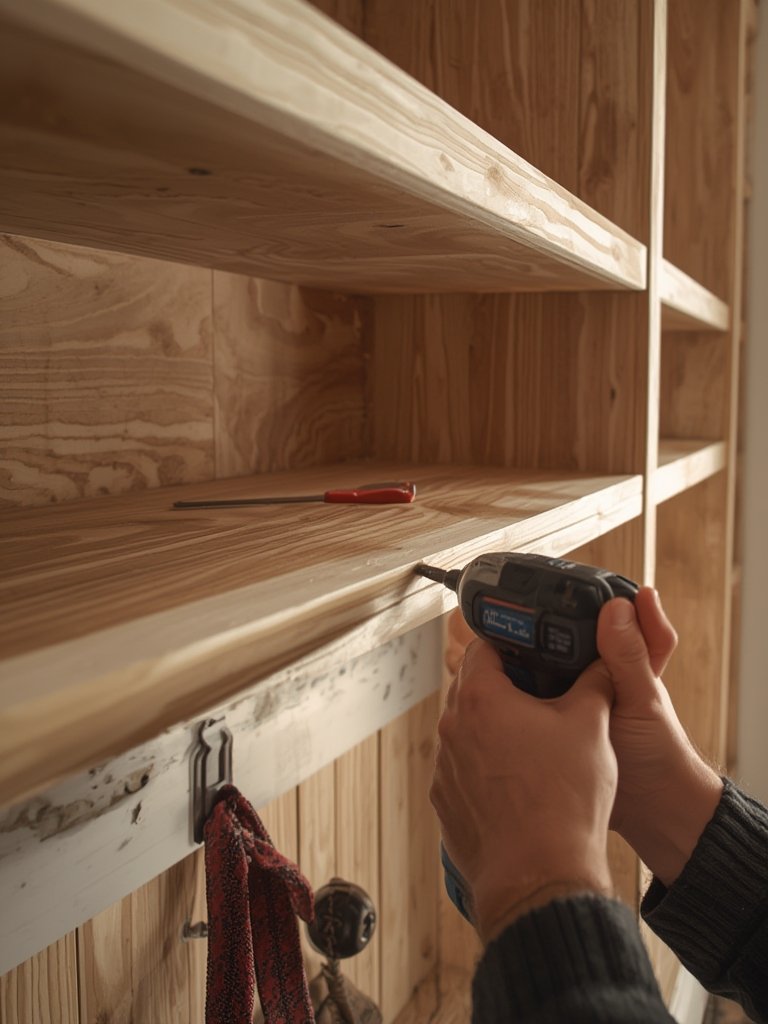
- Locate studs with a finder. Pre-drill holes to prevent splitting. Double-check level/plumb before fixing any section to the wall.
- Seal all cut edges if using MDF or plywood to avoid moisture swell.
- Secure tall units for tip-over safety, especially with children.
- Outfit & Enjoy
- Add baskets, cushions, and hooks. Run extension strips discreetly for phone or device charging.
- Edit storage systems seasonally so the space keeps working hard—not collecting clutter.
- For creative shelf inspiration, check bookshelf wealth styling tips for lived-in, flexible storage ideas.
Don’t forget: For kitchen clutter, a simple appliance garage can free up extra mudroom storage. See our niche guide to appliance garage kitchen solutions for ideas.
Advanced Analysis & Common Pitfalls (2026 Data)
Based on market research and real-world project feedback, these are the most common pitfalls, drawbacks, and regrets homeowners encounter with mudroom built-ins—plus how to avoid them.
| Issue | Why It Happens | How to Avoid |
|---|---|---|
| Not Enough Storage per Person | Misjudging daily needs or cramming too much into a small space | Plan a dedicated locker, cubby, or hook per household member plus a “guest” bin |
| Missed Tech Features | Forgetting to add power, charging, or key drop zones | Integrate USB outlets, small drop trays, and cable cutouts in your design |
| Durability Issues | Choosing low-end MDF, not sealing cut edges, or ignoring humidity risks | Use higher-grade plywood/painted wood or powder-coated metal; seal all edges |
| Difficult Installation | DIY mistakes: neglecting wall studs, uneven floors, poor assembly of RTA units | Read all instructions; prep the wall carefully; level with shims if needed; don’t rush |
| Awkward Fit & Layout | Ignoring HVAC vents, switches, or traffic flow | Do a thorough layout check; consider swinging doors and access paths before building |
Most frustrations arise not from the concept, but from cutting corners: installing too little storage, skipping professional advice, or choosing cheap materials. Since there’s no single building code for mudroom built-ins, it’s up to you (or your installer) to ensure safety, especially regarding tip-over hazards for tall units (U.S. Cabinet Market Insights).
If you want extra inspiration for hard-to-organize areas, don’t miss these closet storage ideas for reach-in and walk-in closets.
Conclusion
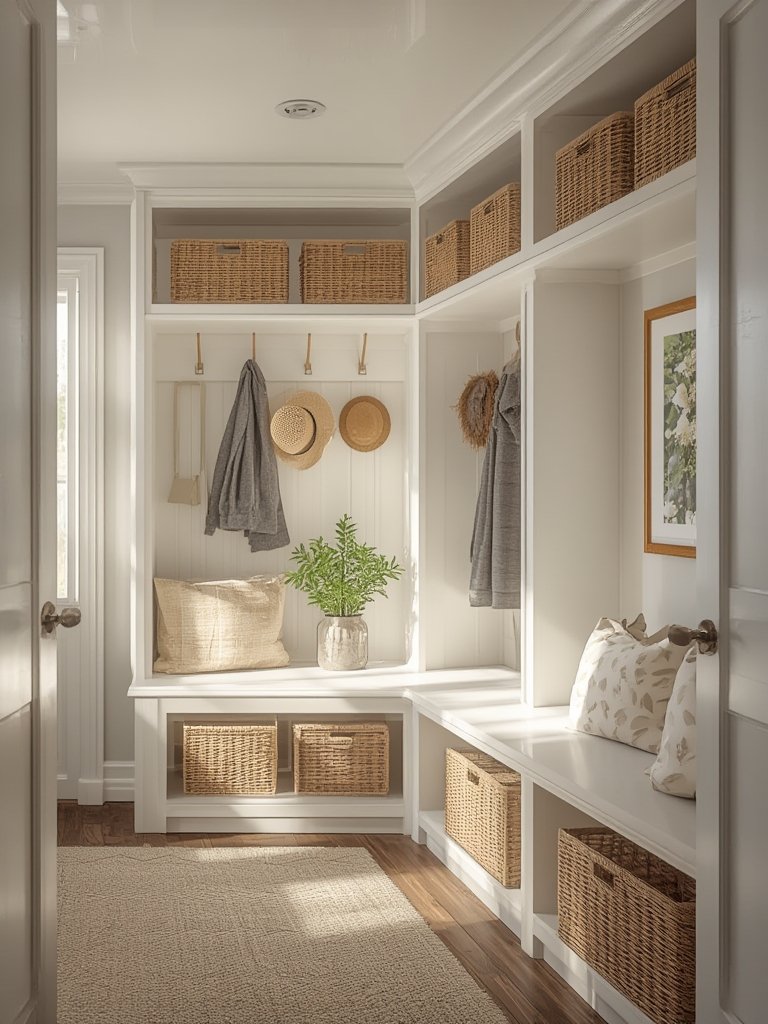
Mudroom built-ins offer huge benefits but demand careful planning, smart customization, and the willingness to spend wisely rather than cheaply. With the U.S. market booming, trends point to more modularity, tech-integration, and family-friendly designs that truly work day-to-day. If you want a space that finally tames entryway chaos, use the guidance in this article to get the most out of your mudroom built-ins.
Ready for clutter-free mornings and organized evenings? Start sketching your mudroom built-in plans or ask a designer for ideas suited to your home—your future self will thank you.
FAQ
How much does it cost to install mudroom built-ins in 2026?
While recent market research details overall cabinet spending growth, there is no exact average cost for mudroom built-ins across the U.S. in 2026. Factors like materials, size, and level of customization all affect your final bill. Most projects range from a few hundred dollars (for modular/RTA) to several thousand for fully custom installations. Always obtain multiple quotes for your specific layout.
Are there strict building codes for mudroom built-in benches or lockers?
There are no specific building codes in 2026 for mudroom built-ins in U.S. homes. However, you must ensure heavy or tall units are properly secured to studs for safety. Check for required electrical permits if you add outlets/charging.
Can I install mudroom built-ins myself, or should I hire a pro?
Many modular or RTA units can be DIY-installed if you’re comfortable with measurements, wall anchors, and basic carpentry. Custom cabinetry typically requires a pro for a seamless and safe result—especially for challenging layouts.
What is the best material for mudroom built-ins?
Plywood and painted solid wood are durable favorites. MDF is budget-friendly but must be sealed at edges. In wet climates or heavy-traffic homes, powder-coated metal or premium laminates may last longer. Match materials to both your daily traffic and design taste.
How do I stop my mudroom built-ins from becoming cluttered again?
Assign each person a section or cubby. Rotate out-of-season gear regularly. Use labeled baskets for smaller items, and empty bins that catch extra stuff weekly. The best system is one you can easily maintain by habit, not just looks.